WIRED Tests Best Cheap Phones for 2026
WIRED has released its latest testing and review lineup of affordable smartphones for 2026, helping buyers bypass expensive flagship pricing.
 Radwan AbdulhadiEditor and technology writer
Navigating Affordable Smartphones in 2026
Paying top dollar for a smartphone is often unnecessary, according to recent testing by WIRED. While wireless carriers frequently market expensive devices through multi-month installments—such as advertising a Samsung Galaxy S25 FE or high-end flagships over extended contracts—consumers can secure great value by opting for affordable alternatives.
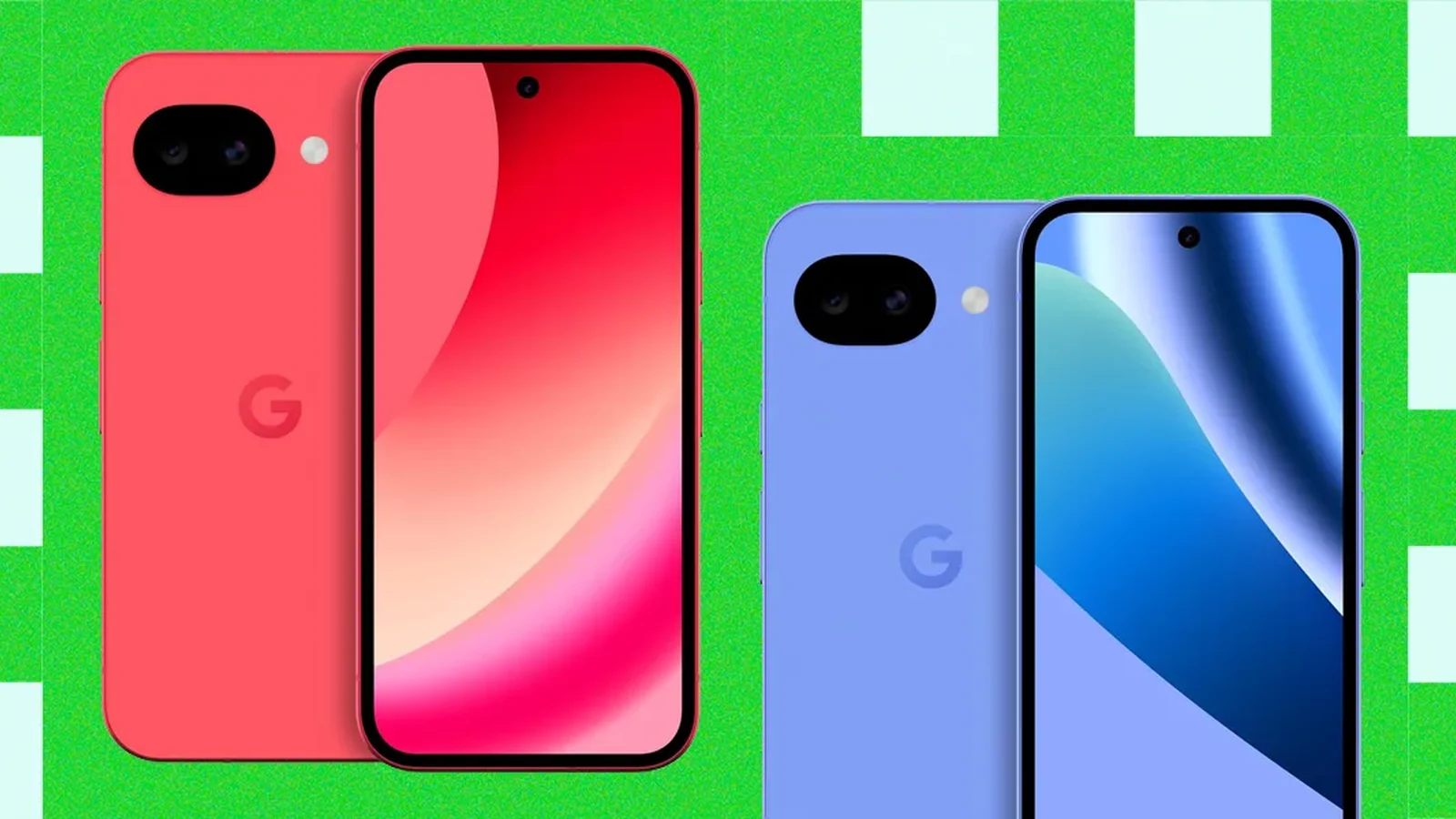
The publication's top pick, the Google Pixel 10a, is priced at $499 and delivers performance comparable to many flagship devices. Alongside it, other recommendations strike a balance between price and luxury, including a folding phone option. However, finding quality devices under $400 has grown increasingly difficult as manufacturers add roughly $100 to many models due to a broader memory shortage.
October 2026 Additions and Market Updates
The October 2026 guide updates brought several notable devices into the testing pool. New additions include the Motorola Moto G Power 2026, the Samsung Galaxy A37, and the Motorola Razr 2026. Reviewers also refreshed the Samsung Galaxy S25 FE and Nothing Phone 4(a) Pro, while adding mentions for the TCL P80 Ultra and Nothing Phone (4b).
For consumers exploring alternative device categories or looking for broader selections, readers can consult additional resources like Best Android Phones and Best Samsung Phones for targeted recommendations.
Google Pixel 10a Performance and Features
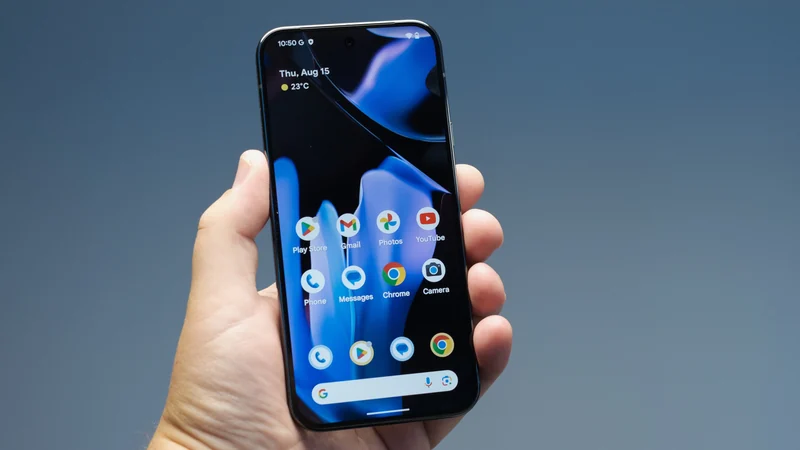
The Google Pixel 10a stands out as a leading choice for buyers looking to limit spending. Powered by the Tensor G4 chip, it handles most daily apps and games smoothly. It features a bright, sharp 120-Hz screen protected by tougher glass, along with faster wired and wireless charging capabilities. Google also promises seven years of software updates and notes that the battery is designed to be slightly easier to replace than previous iterations.
Imaging capabilities remain a core strength, driven by a versatile dual-camera system. The main 48-megapixel camera and 13-megapixel ultrawide sensor capture detailed scenes, supported by artificial intelligence tools like Camera Coach and Auto Best Take. Furthermore, software features such as Add Me, Audio Magic Eraser, Call Screen, and secure biometric unlocking via face and fingerprint scanners reinforce its value proposition.
Evaluating Apple's iPhone 17e
Apple's entry-level offering, the iPhone 17e, provides an improved value proposition over its predecessor by finally incorporating MagSafe support for magnetic accessories and chargers. Built with durable Ceramic Shield 2 glass, it represents Apple's smallest handset in the lineup. It utilizes the A19 chip with a slightly reduced graphics core count and an energy-efficient C1X 5G modem that aids overall battery longevity.
Despite these hardware additions, reviewers noted that the single 48-megapixel rear camera feels limiting when compared to multi-lens competitors like the Pixel 10a or Samsung alternatives. Low-light photography and moving subjects can present challenges for the single-sensor setup, though it continues to deliver solid everyday application performance.
Sources
- WIRED7 Best Cheap Phones (2026), Tested and Reviewed
Continue chronologically

Related entity coverage
Related stories
Finding the Android Equivalent to the New iPhone Duo
Explore how the iPhone Duo compares to major Android foldables from Samsung, Google, and Motorola in display size, cameras, durability, and price.
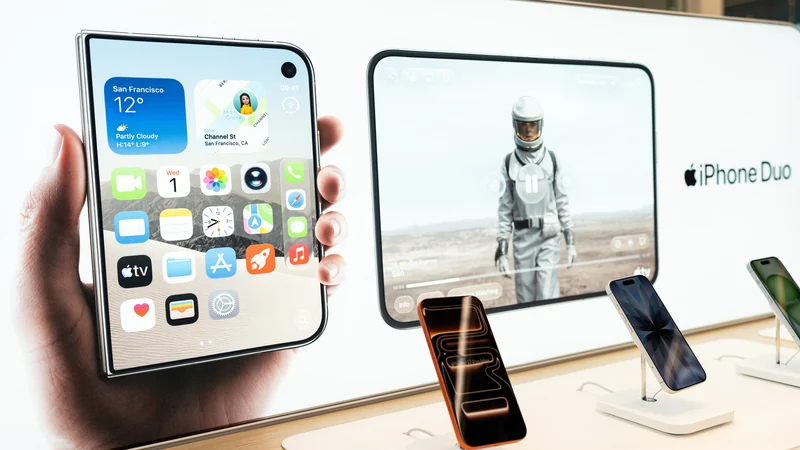
WIRED Details the Best Folding Smartphones of 2026
Discover the top folding phones of 2026 as tested by WIRED, featuring latest releases from Samsung, Apple, Google, and Motorola.

What to Look For When Buying a Cheap Android Phone
Discover the essential non-negotiable features you need to look for when shopping for a budget Android phone priced at $300 or less.
How To Take Care Of Your Foldable Phone's Hinge
Learn how to properly care for your foldable phone hinge with simple maintenance habits, avoiding damage, and understanding manufacturer ratings.