Google DeepMind Unveils Antigravity for Science Workbench
Google DeepMind has introduced Google Antigravity, an agentic science workbench designed to streamline the search and evaluation of novel antimicrobial peptides in hours.
 Radwan AbdulhadiEditor and technology writer
Addressing the Global Crisis of Antimicrobial Resistance
Rising levels of antimicrobial resistance represent a critical global health crisis that could potentially lead to an estimated 10 million annual deaths worldwide by the year 2050. To combat this looming threat, the medical and scientific communities urgently require new therapeutics. Traditional antibiotics are increasingly facing resistance from pathogens, making the discovery of alternative treatments a high priority for researchers globally.
Antimicrobial peptides, particularly bacteriocins, offer a promising alternative because they naturally target fundamental vulnerabilities in competing bacteria. These vulnerabilities range from cell envelopes to essential intracellular machinery, which creates significant hurdles for pathogens attempting to develop resistance. Despite this potential, finding novel therapeutics has historically been a slow and labor-intensive process for biologists.
Introducing Google Antigravity and the ProtNLM Pipeline
To streamline these complex investigations, Google DeepMind has detailed the capabilities of Google Antigravity, an agentic development platform and science workbench. The platform empowers biologists to discover, structurally evaluate, and prioritize promising therapeutic targets quickly. By connecting multiple tools into a cohesive framework, the system compresses what used to be a fragmented search process across multiple databases into a single, efficient session.
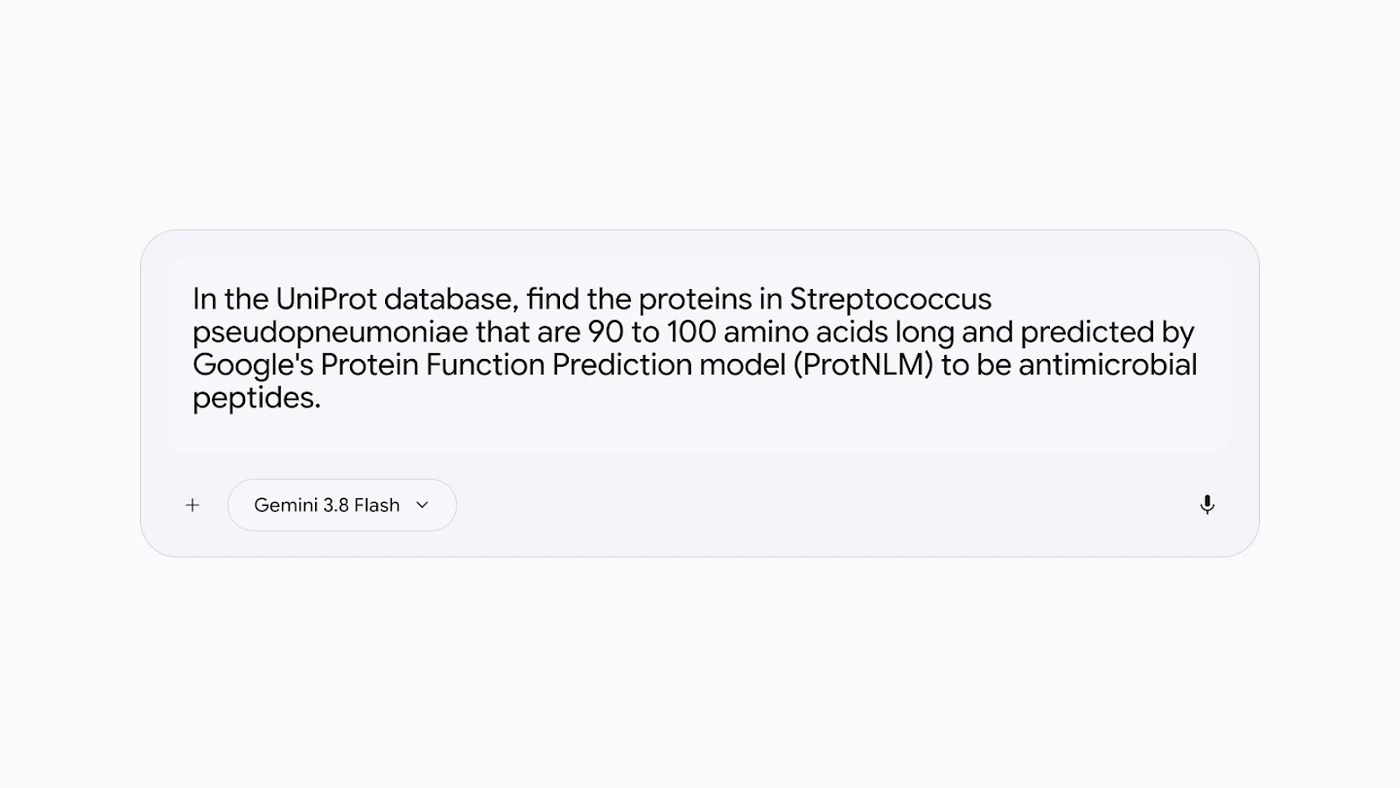
A key component of this architecture is the deep learning model designed to process uncharacterized protein sequences. Researchers can scan through millions of previously uncharacterized proteins in the UniProt database using ProtNLM, a model that predicts biological function directly from amino acid sequences. This model reads the underlying evolutionary grammar of raw protein sequences to enrich unnamed database entries with high-confidence functional labels.
Interactive Discovery and Candidate Prioritization
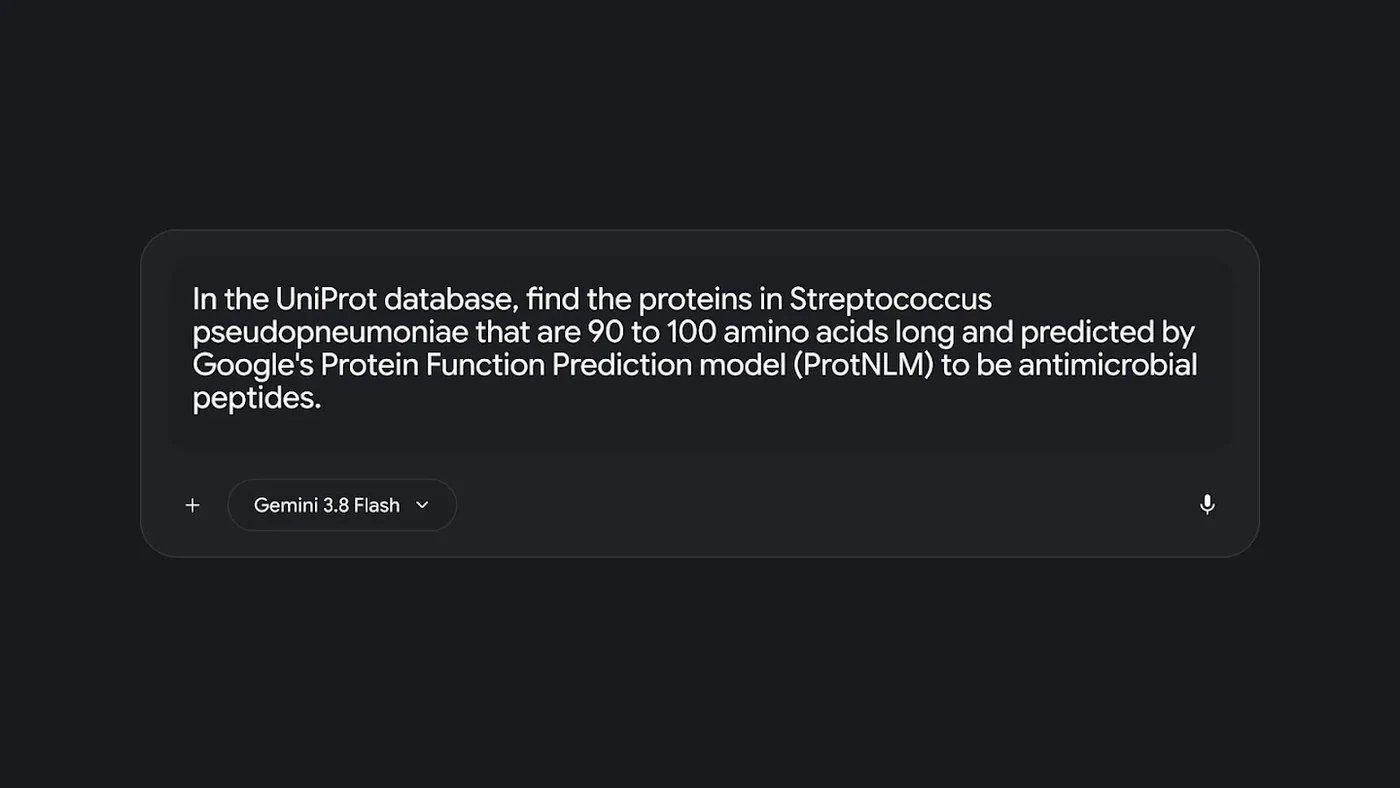
Scientific discovery requires a blend of human intuition and computational iteration. Working within the platform, a researcher and an AI agent can establish focused biological goals, such as finding and computationally validating novel antimicrobial peptides in Streptococcus pseudopneumoniae. During an interactive, multi-turn session, the researcher steers the overall scientific strategy while the agent handles cross-database orchestration and literature synthesis.
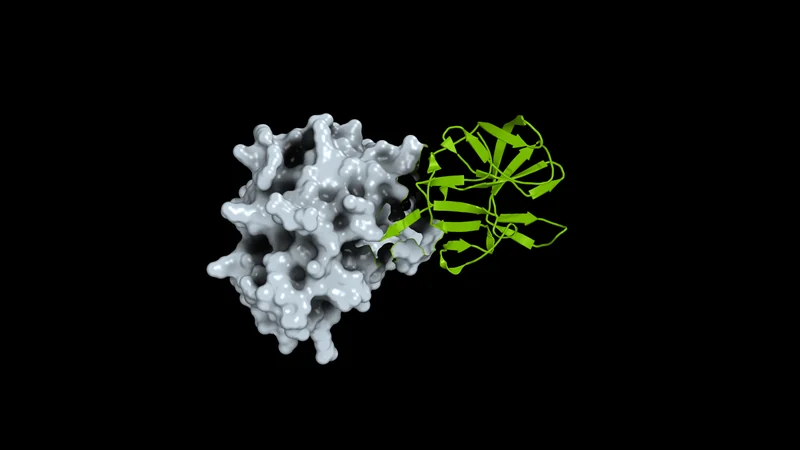
Through this automated filtering process, the agent successfully narrows millions of entries down to a select few high-potential candidates. Among these findings, the system identified a specific bacteriocin with a length of 97 amino acids belonging to the Lactococcin 972 family, which has been cataloged for further examination.
Structural Evaluation and Genomic Context Analysis
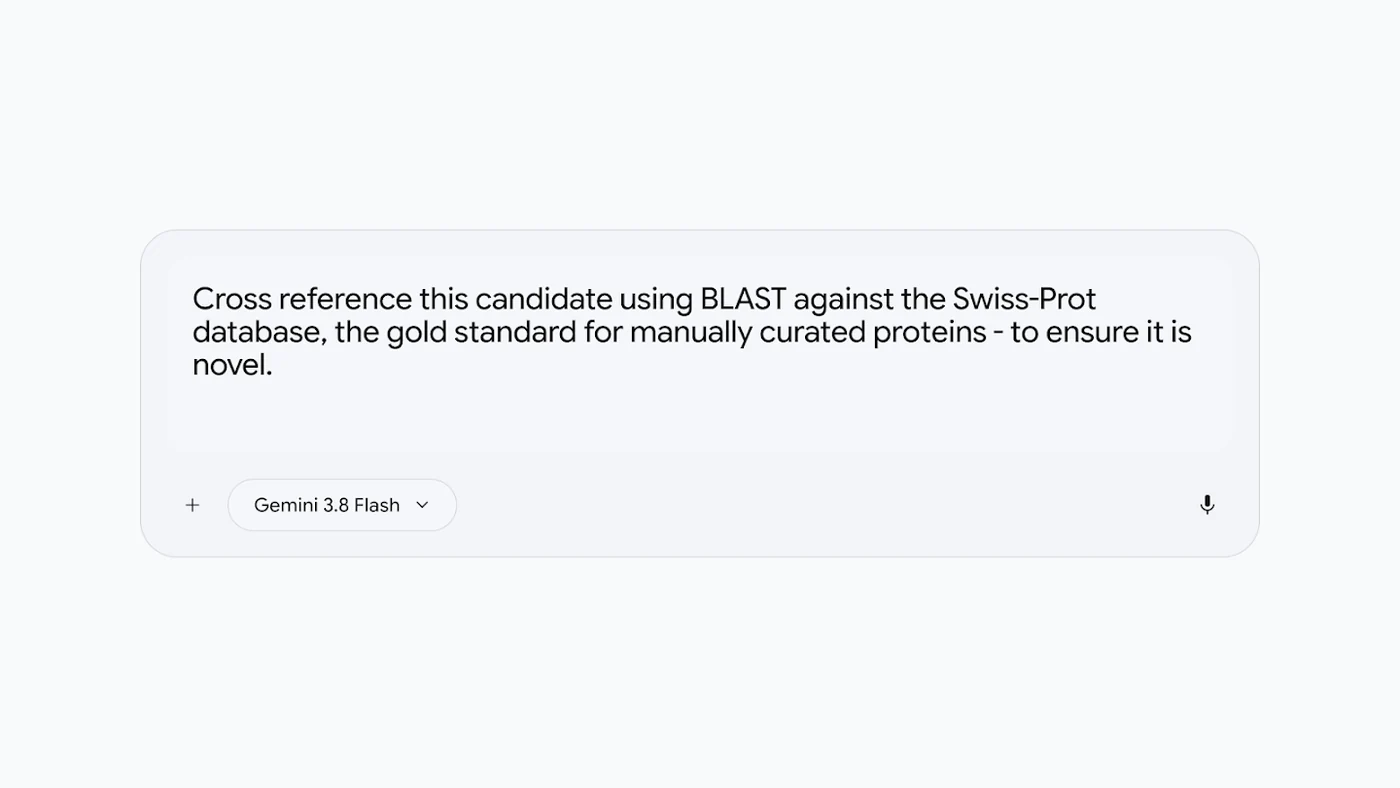
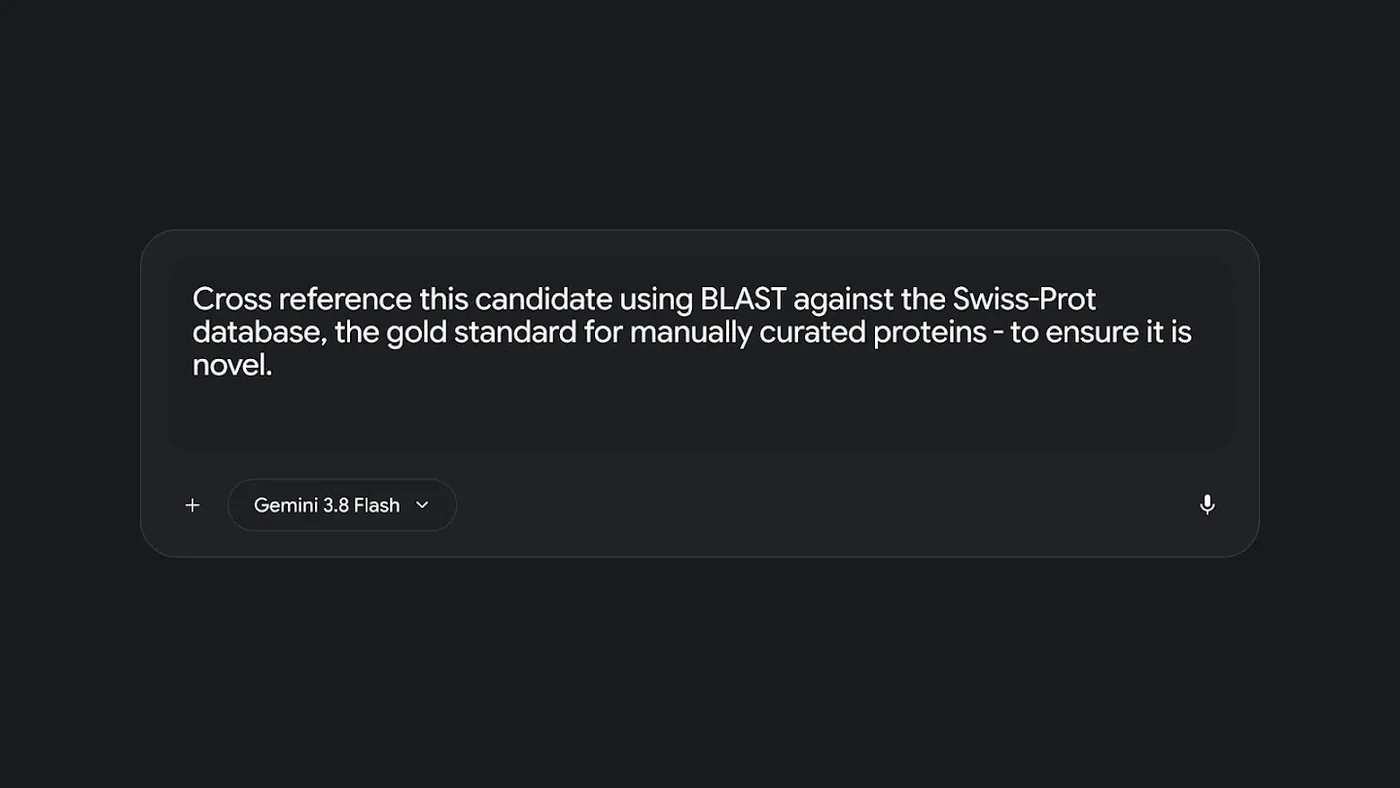
To verify the novelty of the discovered peptide, researchers use the platform to interrogate the candidate against curated knowledge in Swiss-Prot and confirm it lacks meaningful sequence homologs among manually reviewed proteins. The analysis then shifts toward structural evidence to ensure the predicted fold matches known functional categories.
The agent retrieves the candidate's three-dimensional model from the AlphaFold Protein Structure Database, querying it against experimentally determined structures to identify remote homologs and assess similarity. Furthermore, the agent evaluates the surrounding genomic neighborhood to check whether flanking genes support the antimicrobial peptide hypothesis, successfully spotting patterns like tightly coupled operons and ABC transporter permease components that provide strong contextual validation.
Transitioning from In Silico Predictions to Wet-Lab Validation
After establishing structural and genomic backing, the agent translates its in silico findings into an actionable bench protocol. This protocol spans protein expression, antimicrobial susceptibility testing, target engagement, and in vitro toxicity testing, successfully bridging the gap between computational prediction and physical experimentation.
The lead candidate identified during this walkthrough, along with several others discovered through the same pipeline, is currently undergoing wet-lab validation. While these candidates still require experimental confirmation, the platform demonstrates how modern agentic workflows can dramatically lower the barriers to everyday biological research and accelerate the timeline for discovering critical new treatments.
Sources
- Google DeepMindAccelerating the search for antimicrobial peptides with Google Antigravity
Continue chronologically

Related entity coverage
Related stories
Google DeepMind Unveils Antigravity Cheminformatics
Google DeepMind introduces Google Antigravity with new Cheminformatics Skills to accelerate drug discovery workflows and design novel macrocycles.
Google Launches Gemini 4 Argon Frontier AI Model
Google has announced the global availability of Gemini 4 Argon, its latest frontier AI model designed for complex real-world tasks and deep work.

Google Introduces Gemini 4 Argon Frontier Model
Google DeepMind launches Gemini 4 Argon, a new frontier model built for complex tasks in coding, science, finance, and legal workflows.

NVIDIA and Coalition Release Open Viral Protein Dataset
NVIDIA joins Google DeepMind and EMBL-EBI to release open 3D structures for thousands of viral proteins to aid pandemic preparedness.