
Understanding the Pros and Cons of Active Noise Cancellation
Active noise cancellation has become a standard feature for premium audio devices, but understanding the underlying physics and limitations is essential for any user.
 Radwan AbdulhadiEditor and technology writer
The Rise of ANC Technology
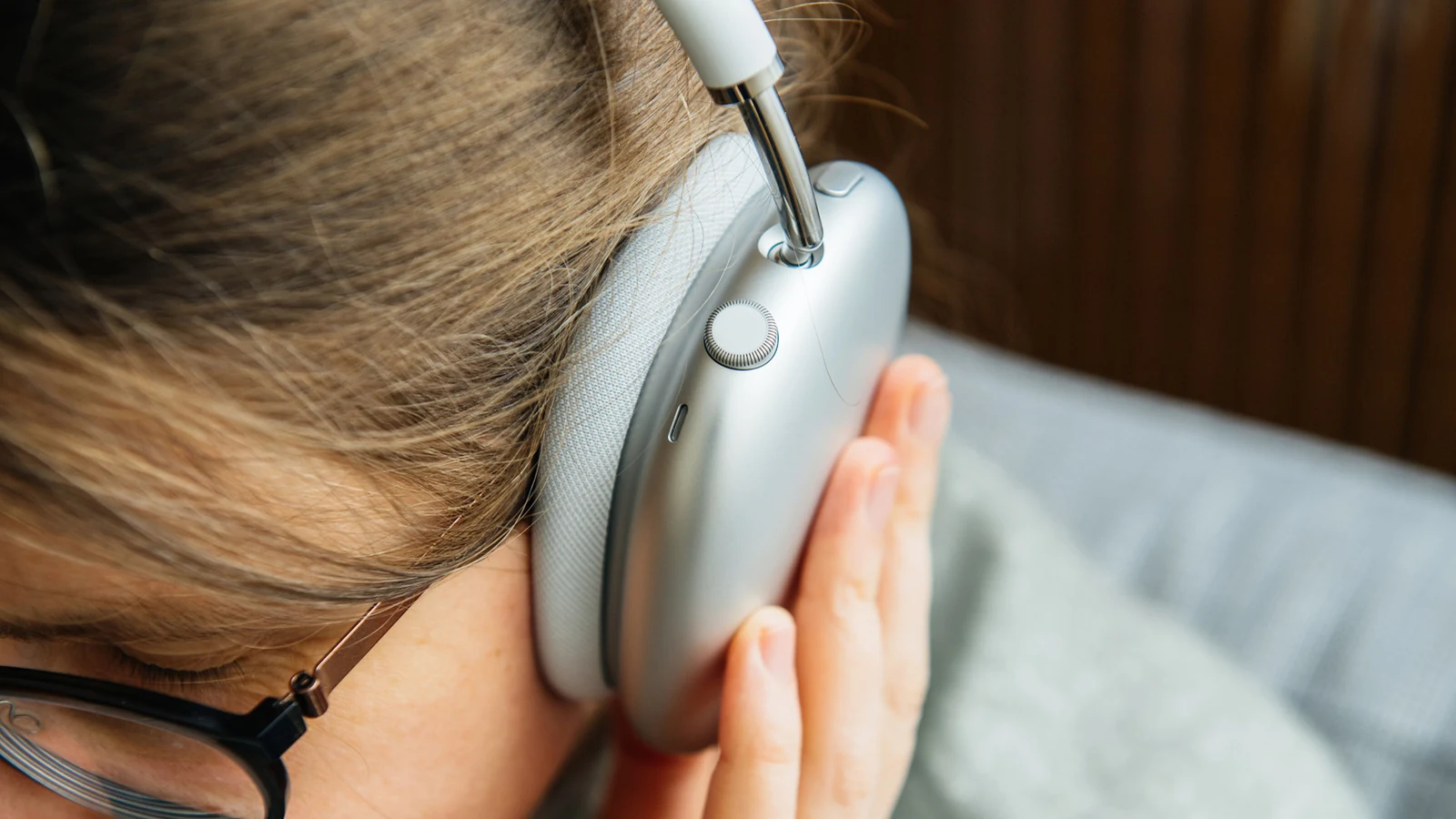
Modern headphones have evolved far beyond basic speakers, becoming ubiquitous accessories for work, travel, and exercise. A key driver of this popularity is the inclusion of active noise cancellation (ANC) in advanced models like the excellent AirPods Pro 3. While often seen as a premium feature, ANC has become a foundational requirement for many seeking the best headphones on the market today.
The Physics of Silence
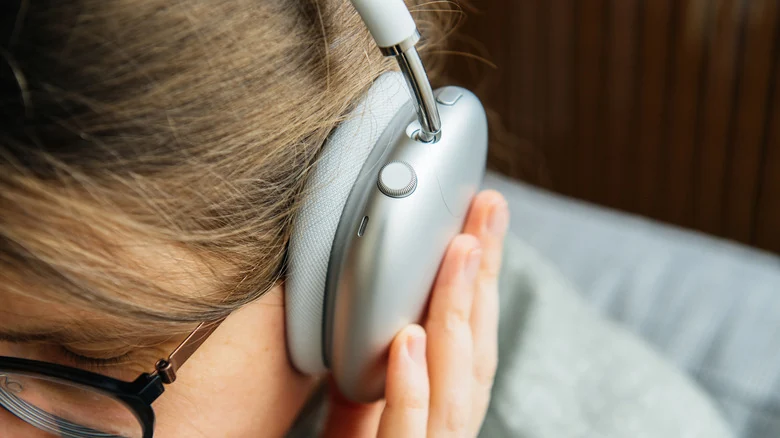
Although ANC feels like a seamless experience, it relies on complex acoustic engineering. Small microphones embedded in the headphones continuously monitor the environment, capturing everything from ambient engine drone to nearby chatter. The hardware processes these sound waves and generates an inverted signal in milliseconds. This phenomenon, known as destructive interference, causes the original and inverted waves to cancel one another out, effectively muting the outside world.
This computational demand is precisely what sets them apart from headphones with passive noise cancelling. Passive systems rely strictly on the physical seal and design of the earcups or tips, whereas ANC requires robust internal chips capable of real-time audio processing.
Benefits for Audio Quality and Health
The benefits of ANC extend beyond mere silence. By eliminating the need to overcome ambient background noise, listeners can enjoy higher audio clarity without pushing their device volume to unsafe levels. This provides a significant advantage for hearing health, as users are less likely to expose their ears to damaging decibel levels. Furthermore, the technology is highly effective for improving phone call quality and helping individuals focus in environments where external stimuli are distracting. Some users even go as far as to wear ANC earbuds to sleep to ensure an uninterrupted rest.
Limitations and Safety Considerations
Despite the clear advantages, ANC has functional limitations. The technology is primarily designed to tackle steady, low-frequency sounds such as those found on airplanes or in offices with heavy ventilation. It is considerably less effective at neutralizing sharp, sudden sounds like sirens or horns. Moreover, user experiences vary, with some reporting that high-intensity cancellation causes ear discomfort or degradation in overall sound quality.
Safety is another critical factor. Removing ambient sounds can be dangerous in public settings where hearing oncoming traffic is essential. To mitigate these risks, many manufacturers have implemented hybrid solutions, such as the Transparency Mode on AirPods, which allow users to blend processed audio with natural external sounds when needed.
Power and Long-term Usage
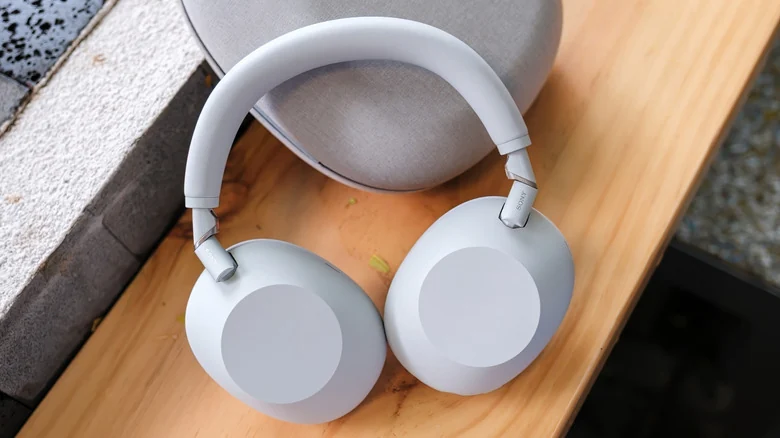
One of the most immediate practical drawbacks of active noise cancellation is its impact on battery life. Because the microphones and processors are constantly active, energy consumption increases significantly compared to standard playback. Users often find themselves choosing between the silence provided by ANC and the desire for all-day battery longevity. Understanding when to disable the feature is a key part of managing these devices effectively for long-term use.
Sources
- EngadgetThe pros and cons of using noise cancelling headphones