Exploring the Pros and Cons of eSIM vs. Physical SIM Cards
A comparison of eSIMs and physical SIM cards reveals distinct differences in activation, convenience, device compatibility, and travel utility.
 Radwan AbdulhadiEditor and technology writer
Understanding the Core Differences
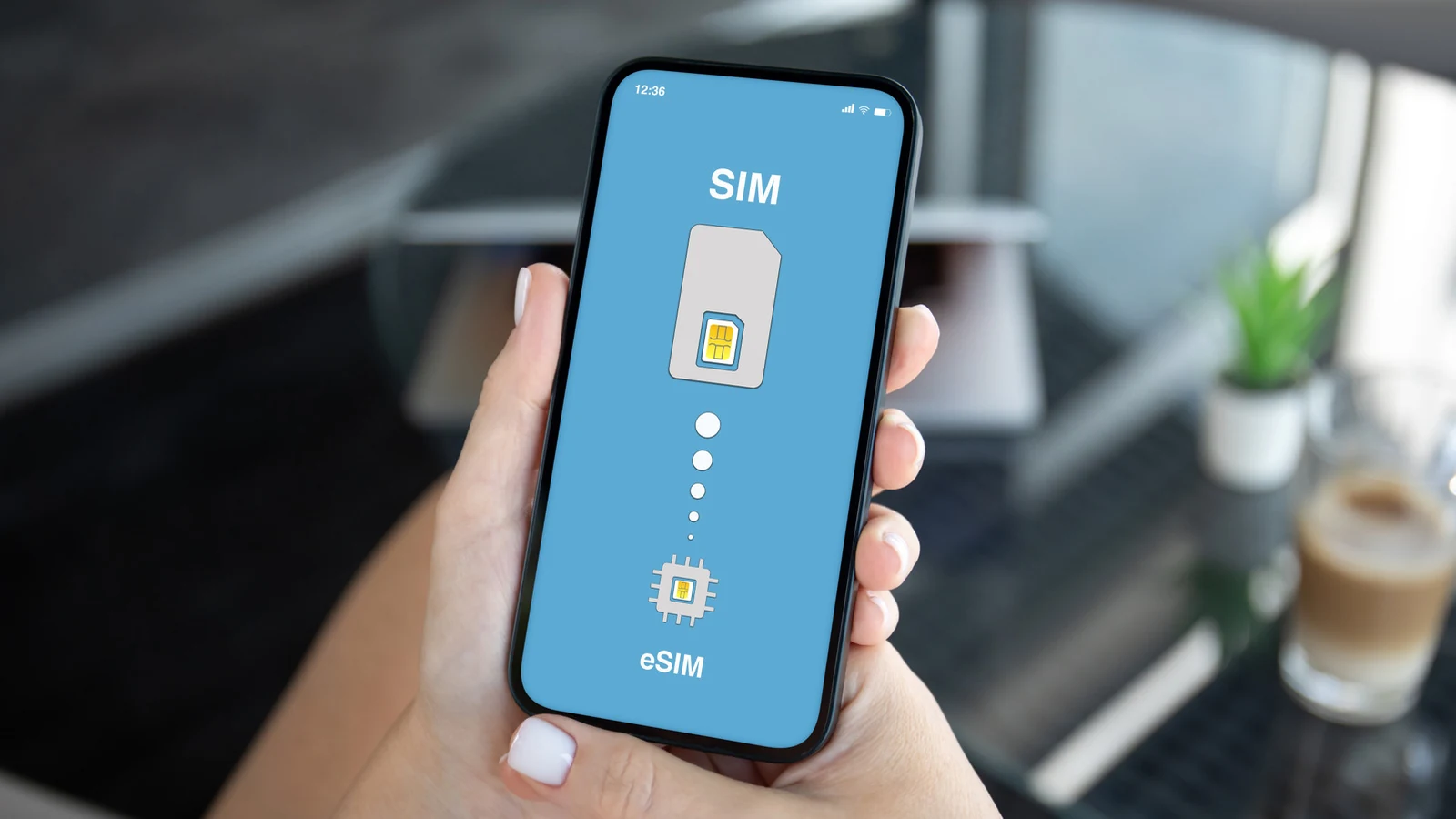
When comparing an eSIM to a traditional physical SIM card, users will find that there is no quality difference between the two formats. Both options identify your subscription to a mobile network and offer identical reception and data speed. The main distinction lies in how you activate and move your cellular service.
While a physical SIM is removable and relies on a physical card inserted into a tray, an eSIM uses built-in hardware alongside a downloadable carrier profile. Removing the SIM slot from mobile devices can also give manufacturers extra room inside the chassis for larger batteries or other hardware improvements.
Flexibility and Travel Advantages
The primary advantage of using an eSIM is its flexibility and convenience. Users do not need to open a side tray or manually transfer a card when purchasing a new phone. Instead, supported plans can be activated through an app, by scanning in-app QR codes, or directly via the phone's settings.
Compatible and unlocked devices also allow travelers to purchase a travel eSIM ahead of time. This can eliminate the need to find a local retailer for a physical SIM upon arrival and may save money compared to standard home carrier roaming. Furthermore, travel plans can remain dormant until a trip begins, and users can test functionalities using options like Opera's free eSIM on Android.
Compatibility Challenges and Service Transfers
Despite the benefits, eSIM technology comes with distinct drawbacks regarding compatibility and transferring service. Both the mobile device and the carrier must support eSIM features, and support levels can vary depending on the model and the regional market. An eSIM also cannot bypass a carrier lock by itself.
Transferring service between devices can sometimes be more complicated than expected. While certain setups make the process seamless, other providers require a dedicated carrier app, a replacement QR code, or direct help from customer service. Fortunately, tools like Apple's eSIM Quick Transfer help users move service between compatible phones without contacting support.
Weighing the Value of Physical SIM Cards
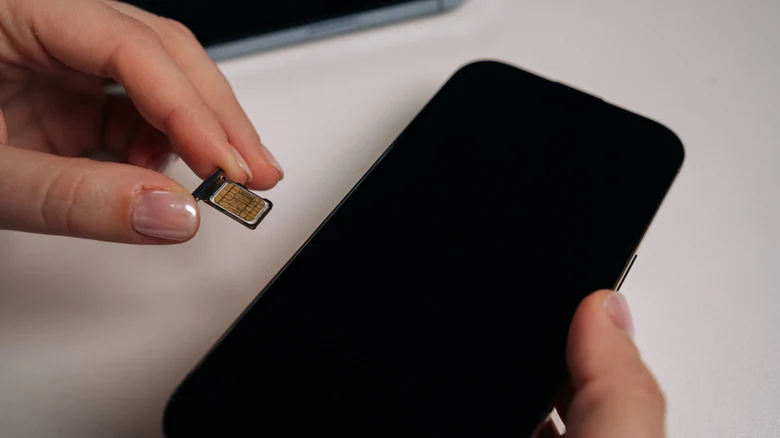
For some consumers, the fallback simplicity of a physical SIM remains preferable. Manually popping open a tray and moving a card to another phone is straightforward for many users, avoiding the potential friction of digital tools or app-based activations.
Additionally, physical SIM cards continue to offer a wider degree of compatibility with older or simpler phones. While digital profiles eliminate the risk of losing a removable card, they do not prevent account fraud or SIM-swap scams. Ultimately, users with dual-format compatible phones can choose to use both technologies simultaneously, retaining their physical SIM while running an eSIM on another supported line.
Sources
- EngadgetThe pros and cons of using an eSIM over a physical SIM card
Continue chronologically

Related entity coverage
Related stories
How to Fix an Unresponsive Phone Screen
Learn practical troubleshooting steps to fix an unresponsive phone screen, from cleaning and force-restarting to screen mirroring and safe mode checks.
Google Launches Android Motion Assist to Combat Motion Sickness
Google has officially launched Motion Assist for Android, bringing moving shapes to screens to help passengers combat motion sickness while riding in cars.

Finding the Closest Android Counterpart to iPhone 18 Pro Max
Explore which Android smartphones truly compete with the iPhone 18 Pro Max in hardware performance, software refinement, and broad market availability.
How to Adjust Audio Quality and Lossless Settings in Apple Music
Learn how to adjust audio quality settings, enable lossless streaming, and use the equalizer in Apple Music across iOS, Android, Mac, and Windows.