
Robo Inc. Pushes Localized Robotics Strategy in Industry Boom
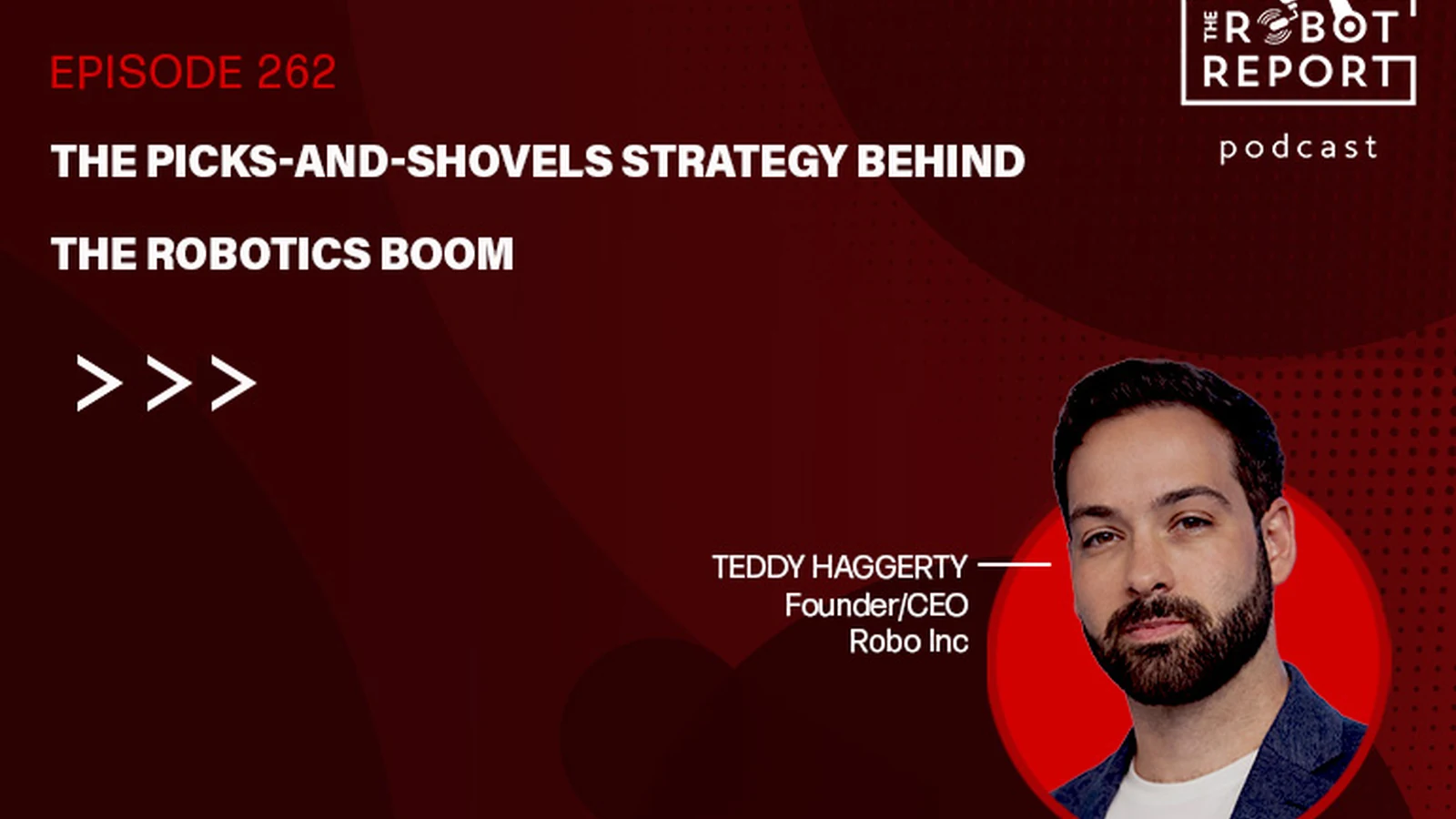
Robo Inc. is redefining its approach to the robotics market by prioritizing localized, solution-first deployments over humanoid ambitions. Founder and CEO Teddy Haggerty outlines how the company evolved from a distribution play into an education and deployment ecosystem.
 Radwan AbdulhadiEditor and technology writer
The Core Strategy
The robotics industry is currently undergoing a profound strategic transformation, moving away from the widely publicized ambition of placing humanoid robots in every household. Instead, a growing consensus among industry leaders suggests that the most substantial and immediate opportunity lies in packaging robots for the specific jobs businesses need done today. This paradigm shift represents a classic picks-and-shovels strategy, where the focus is on providing the essential tools and infrastructure required for practical automation rather than chasing speculative, futuristic domestic applications. By prioritizing tangible business solutions and immediate operational utility, companies are discovering more sustainable and profitable pathways to integrate robotic systems into existing commercial frameworks. This approach ensures that automation serves a direct, measurable purpose in the current economic landscape.
Robo Inc. and the Ecosystem
At the forefront of this strategic pivot is Robo Inc., a company founded by Teddy Haggerty. Haggerty is a serial entrepreneur who has built businesses at the edge of every major technological wave, ranging from high school drones and crypto infrastructure to safety helmets and now robotics. Drawing on this diverse background, Haggerty is dedicated to building an ecosystem that he claims is redefining how robotics, manufacturing, and education connect. By bridging these critical sectors, Robo Inc. aims to create a more integrated and functional robotics landscape. The company's mission is to ensure that the theoretical potential of robotics is translated into practical, deployable solutions that serve both commercial enterprises and educational institutions effectively.
Evolution from Robostore
The trajectory of Robo Inc. highlights a significant evolution in its operational model and market positioning. Originally established as Robostore, the business began its journey as a distribution play, focusing primarily on the supply and logistics of robotic components and systems. However, recognizing the limitations of a purely distributive role, the company transitioned into a comprehensive robotics education and deployment platform. This evolution allowed Robo Inc. to move beyond simply supplying hardware to end users. Instead, the company now focuses on fostering a knowledgeable user base and facilitating the actual, successful implementation of robotic systems in real-world environments, thereby adding substantial value beyond the initial sale.
Localized, Solution-First Model
Based in Plainview, N.Y., Robo Inc. is now pushing toward a more localized, solution-first model. This strategic direction departs from broad, generalized approaches to automation by focusing on specific regional needs and providing tailored robotic solutions. Haggerty and his team believe that a localized approach ensures that the deployed robots address the precise challenges faced by businesses in their immediate vicinity. By concentrating on localized deployment, the company can offer highly customized support and integration services. This method not only enhances the overall effectiveness of the automation but also strengthens the connection between the robotic technology and the local manufacturing and educational ecosystems, ensuring a more seamless adoption process.
Industry Context and Future Outlook
The broader context of the robotics industry provides strong support for this move toward practical, solution-oriented deployment. While humanoid robots continue to capture significant public imagination and media attention, the immediate and sustained demand remains firmly rooted in automation that can perform specific, necessary tasks in commercial settings. As the industry continues to mature, the emphasis on education and comprehensive deployment platforms will likely become even more pronounced. Companies that can successfully navigate the transition from mere component distribution to holistic, localized solutions will be best positioned to capitalize on the ongoing robotics boom. The focus on practical utility over speculative novelty is shaping the next phase of industrial automation.
Sources
- The Robot ReportThe picks-and-shovels strategy behind the robotics boom