
The State of Robots and Automation in Modern Manufacturing
Recent industry reports highlight significant shifts in manufacturing automation, driven by technological improvements, labor shortages, and rising demand across diverse sectors.
 Radwan AbdulhadiEditor and technology writer
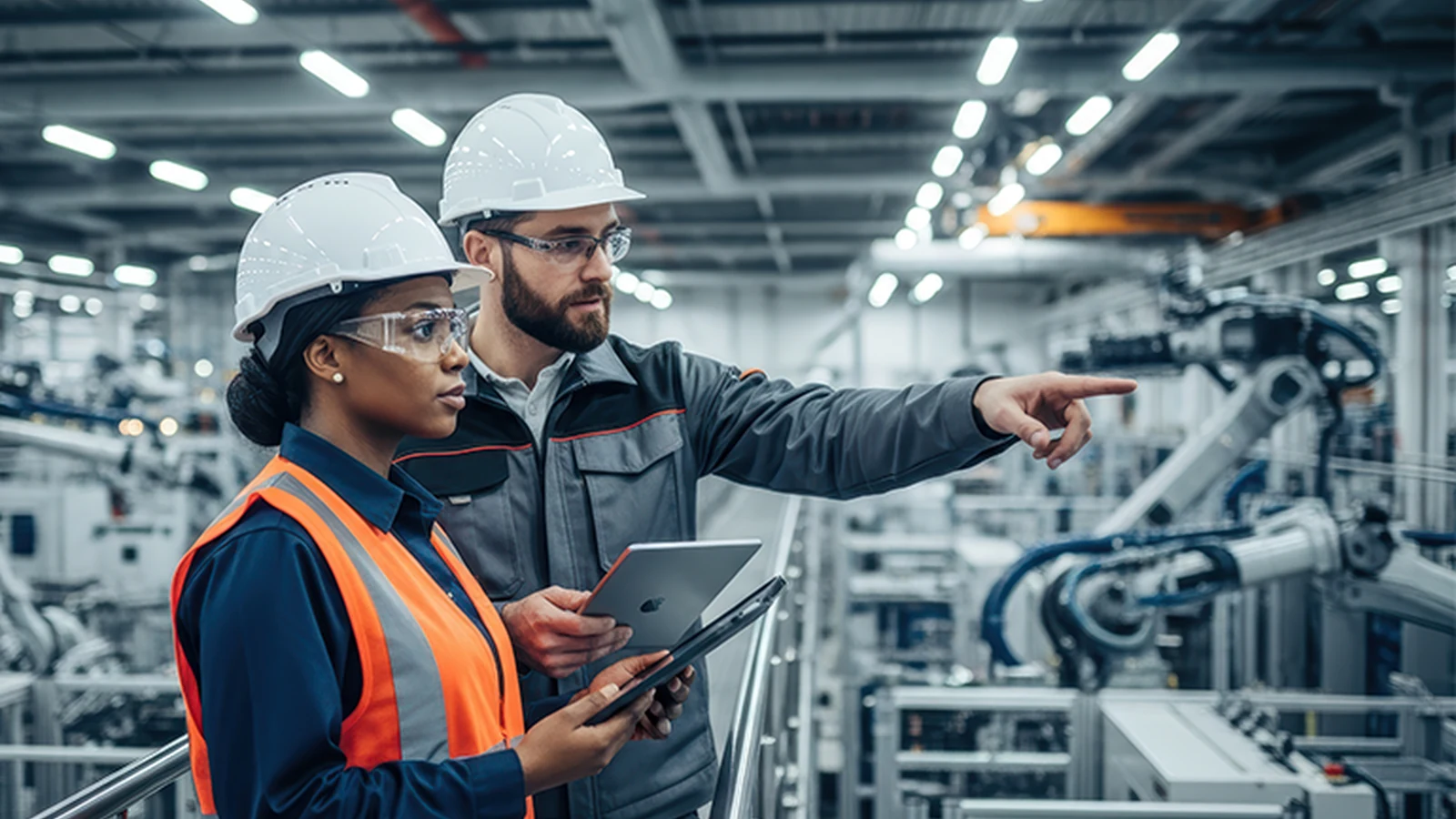
Evolution of Manufacturing Robotics
Robotics in manufacturing has evolved significantly past the era of rigidly programmed robot arms stationed exclusively on automotive production lines. Today, robot models are diversifying rapidly, driven by fundamental improvements in perception, autonomy, and actuation that widen the potential applications for industrial automation across multiple industries.
In addition to these technological leaps, widespread shortages of skilled labor are fueling steady demand in diverse sectors. Industries ranging from electronics and metals to food and beverage and pharmaceuticals are increasingly turning to automated solutions to maintain operational continuity.
Global Installation Trends and Density
According to data from the International Federation of Robotics, industrial robot installations doubled over the ten-year period ending in 2024. The organization has also documented a steady rise in robot density—defined as the number of operational robots per 10,000 workers—globally.
The global leaders in robot density include countries with rapidly aging workforces, specifically South Korea, Singapore, Germany, and Japan. Detailed insights and updates on these metrics can be explored through publications like [The Robot Report], which track ongoing shifts in industrial automation.
New Form Factors and Physical AI
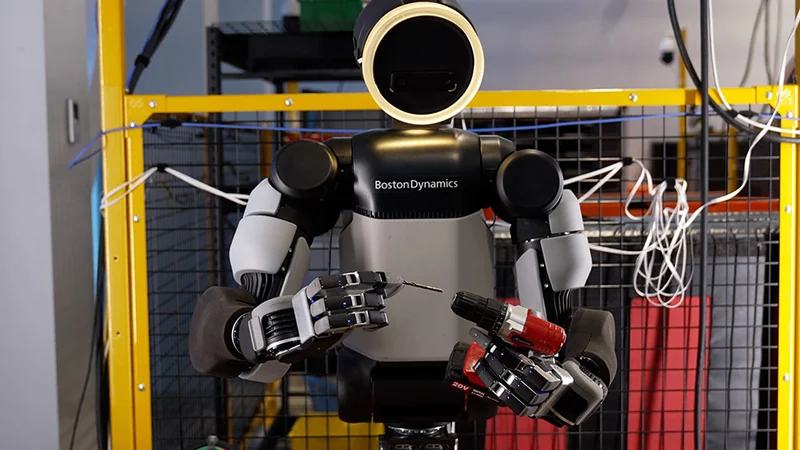
The simultaneous rise of force- and power-limited robots, collaborative robots, autonomous mobile robots, and physical artificial intelligence is enabling factories to automate a much broader range of tasks. Cobots, mobile manipulators, and emerging humanoid designs promise entirely new levels of operational flexibility within spaces specifically designed around human workers.
While high market interest surrounds humanoids, these systems are currently only beginning early commercial trials. Meanwhile, other established form factors are already widely available for deployment on modern factory floors.
Market Growth and Sector Shifts
During the first half of 2026, total robot order value increased by 6.6% year over year, according to figures released by the Association for Advancing Automation. The association observed that increasing order volumes from non-automotive sectors successfully offset temporary slowdowns among automotive original equipment manufacturers.
Industry publications and specialized coverage continue to examine these trends closely. Readers looking for broader industry perspectives can [Read More >] to find additional context on market segments and emerging technological developments.
Workflows and Strategic Integration
Industrial automation is increasingly applied across core workflows including material handling, assembly, welding, machine tending, and finishing. Developers, equipment vendors, and system integrators collaborate to deliver improved operational efficiency and enhanced workplace safety.
Despite these technological advantages, challenges persist. Identifying the correct applications and tools, ensuring complete system integration, and verifying a clear return on investment remain critical hurdles for manufacturing facilities aiming to modernize their supply chains.
Sources
- The Robot ReportState of Robots in Manufacturing
Continue chronologically
Related stories
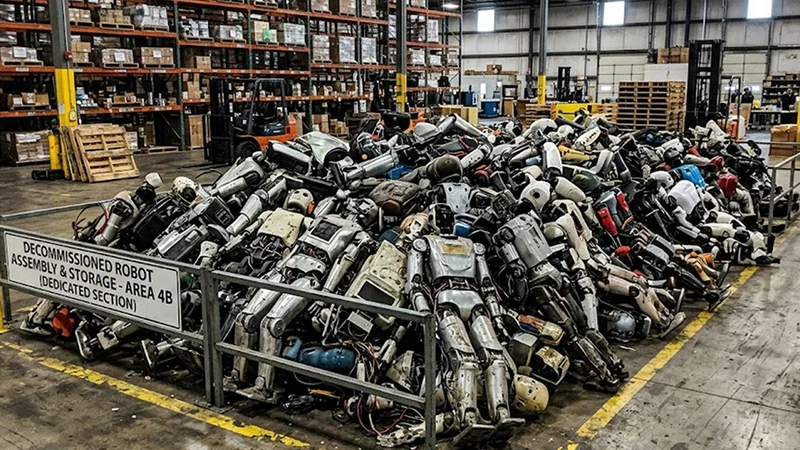
Decommissioning Humanoid Robots: The Challenge of Retirement
As humanoid robot production scales, industry experts warn that recycling these machines requires surgical precision to avoid safety and data risks.
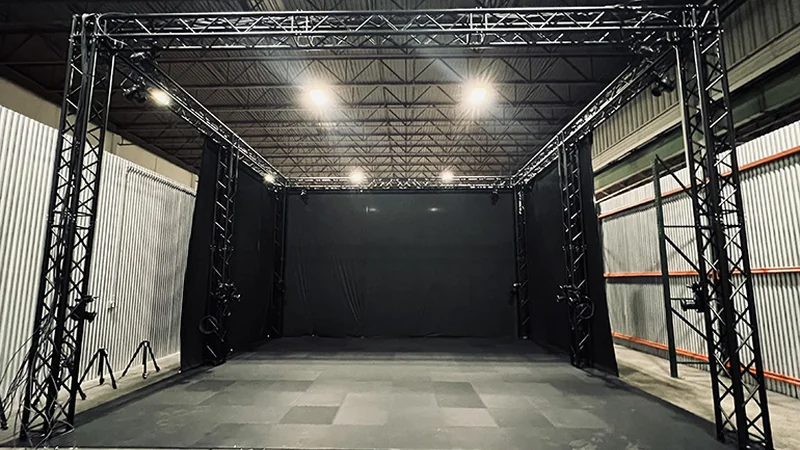
Innodata Opens Motion-Capture Lab for Robotics AI
Data engineering firm Innodata has launched a new motion-capture laboratory utilizing Vicon cameras to train humanoid robots and physical AI.
F-Prime Capital to Present Robotics Investment Report at RoboBusiness
F-Prime Capital's Sanjay Aggarwal and Betsy Mulé will unveil their latest State of Robotics Investments report at the upcoming RoboBusiness 2026 event.

Robo Inc. Pushes Localized Robotics Strategy in Industry Boom
Robo Inc. is shifting from distribution to a localized, solution-first robotics model, arguing that packaging robots for business needs is the real opportunity.