Refrigeration Controller Hack Spoils European Food
A cyberattack targeting refrigeration controllers across Europe has forced supermarkets to defrost units overnight, causing massive monetary damages and food spoilage.
 Radwan AbdulhadiEditor and technology writer
Overview of the European Supermarket Cyberattack
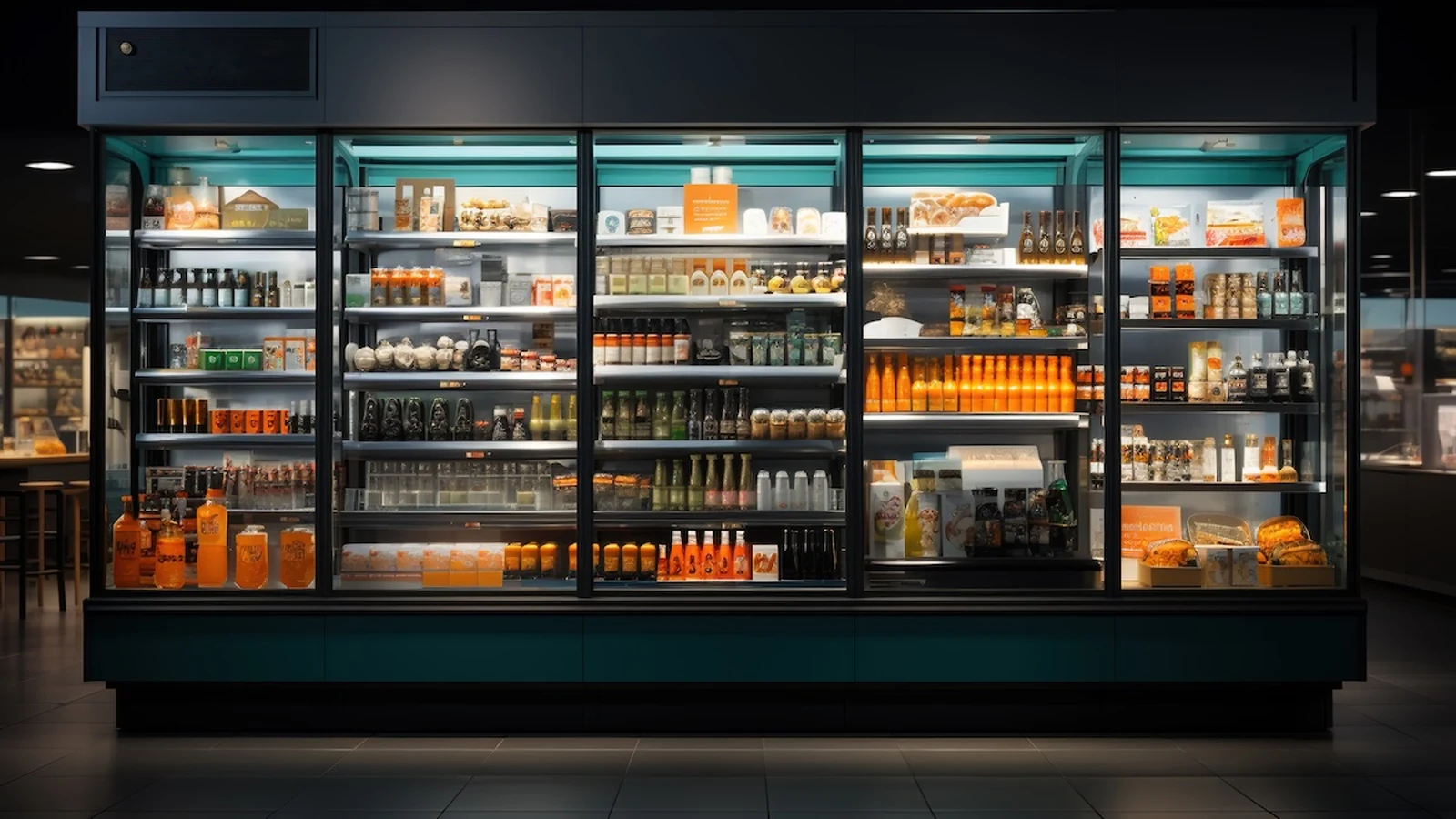
A widespread cyberattack hit hundreds of supermarkets across Europe after hackers systematically targeted refrigeration controllers and forced commercial refrigerators and freezers to defrost overnight. According to reports, the unauthorized intrusion raised internal equipment temperatures to as high as 50 degrees Celsius (122 degrees Fahrenheit). This unexpected thermal spike ruined vast amounts of fresh food products and generated severe monetary damages for major food retailers.
The destructive campaign primarily impacted operations in France, though food retailers across several other European nations—including Belgium, Germany, the Netherlands, Poland, Portugal, and Spain—also experienced disruptions. Major international and regional supermarket chains were swept up in the incident, as highlighted in various <a href="https://www.reuters.com/business/retail-consumer/french-supermarket-chain-intermarche-hit-by-cyberattack-150-stories-targeted-2026-10-12/">reports</a> detailing the extensive retail sector emergency.
Impacted Retailers and Initial Damage Assessments
A wide assortment of prominent supermarket brands fell victim to the overnight hacking operation. Affected chains include Auchan, Carrefour, E.Leclerc, Intermarché (owned by Groupement Mousquetaire), and Monoprix. In addition, Cooperative U—which manages stores under the Hyper U, Super U, U Express, and Utile banners—confirmed that multiple storefronts suffered damage.
Dominique Schelcher, the CEO of Cooperative U, addressed the situation directly through a <a href="https://x.com/schelcher/status/2109564928881308012">post</a> published on social media. Schelcher emphasized that emergency response teams and refrigeration specialists were deployed immediately to stabilize the affected storefronts and initiate a full technical investigation.
Local reporting by <a href="https://www.bfmtv.com/economie/consommation/la-temperature-est-montee-jusqu-a-50-degres-une-cyberattaque-contre-les-systemes-frigorifiques-provoque-la-destruction-de-produits-frais-dans-des-centaines-d-intermarche-et-de-super-u_AN-202610120327.html">BFM TV</a> indicated that over 300 individual supermarket locations across France were impacted by the sudden temperature spikes, pushing preliminary loss calculations well into the millions of euros.
Technical Execution and Equipment Compromise
The malicious actors specifically targeted refrigeration controllers manufactured by Danish company Danfoss. By infiltrating these centralized management units during the middle of the night, the attackers altered configuration parameters to trigger continuous defrost cycles. Because the equipment operated autonomously overnight, the unauthorized temperature increases went unnoticed for roughly six hours until store employees arrived for morning shifts.
Security researcher Lukasz Olejnik <a href="https://x.com/lukOlejnik/status/2109621768851796179">commented</a> on the mechanics of the breach, noting that staff opening store freezers in the morning were confronted with an intense wave of hot air resulting from the maliciously programmed 50 degrees Celsius target temperature.
Prior Security Warnings and Vulnerability Context
The large-scale digital sabotage unfolded roughly two months after cybersecurity research firm Claroty published details concerning security flaws within the Danfoss AK-SM 800A management platform. Those vulnerabilities theoretically allow unauthorized remote code execution, authentication bypasses, and the injection of arbitrary configuration directives.
At the time of their original disclosure, Claroty <a href="https://claroty.com/team82/research/freeze-the-controller-defrost-the-food-uncovering-vulnerabilities-in-danfoss-refrigeration-controllers">warned</a> that numerous AK-SM 800A management interfaces were publicly accessible online, creating significant operational risks for centralized industrial refrigeration systems. Although industry experts have noted the chronological proximity of these disclosures to the supermarket incident, it remains unconfirmed whether the hackers directly exploited the exact vulnerabilities identified by Claroty.
Sources
- SecurityWeekRefrigeration Controller Hack Spoils Food Across European Supermarkets
Continue chronologically


Related stories
Fresh Cyberattacks Hit Supermarket Refrigerators in Europe
A second wave of suspected cyberattacks has targeted supermarket refrigerators across Europe, causing widespread food spoilage and supply disruptions.
Supermarket Fridge Hack Driven by Poor Security Practices
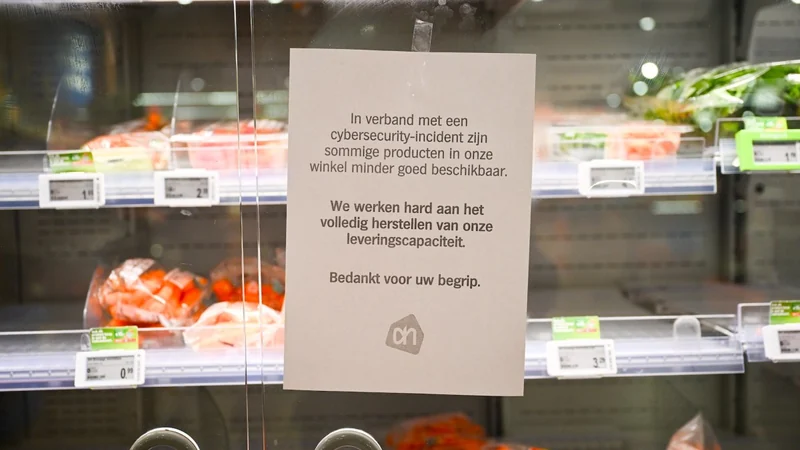
A mass cyberattack exploiting outdated internet-connected supermarket refrigeration controllers caused widespread food spoilage and fires across Europe.
VicOne Uncovers 28 Zero-Day Flaws in Physical AI Tools
VicOne researchers used AI-assisted techniques to identify 28 zero-day vulnerabilities across software supporting the Physical AI ecosystem in under two days.
Teradyne Robotics and Sereact Partner for Physical AI
Teradyne Robotics has partnered with Sereact to scale physical AI solutions across retail and logistics, building on hundreds of live deployments.