Fresh Cyberattacks Hit Supermarket Refrigerators in Europe
A fresh wave of suspected cyberattacks has targeted supermarket refrigerators across Europe, causing temperatures to rise and destroying food in multiple countries.
 Radwan AbdulhadiEditor and technology writer
Second Wave of Refrigerator Hacks Strikes Europe
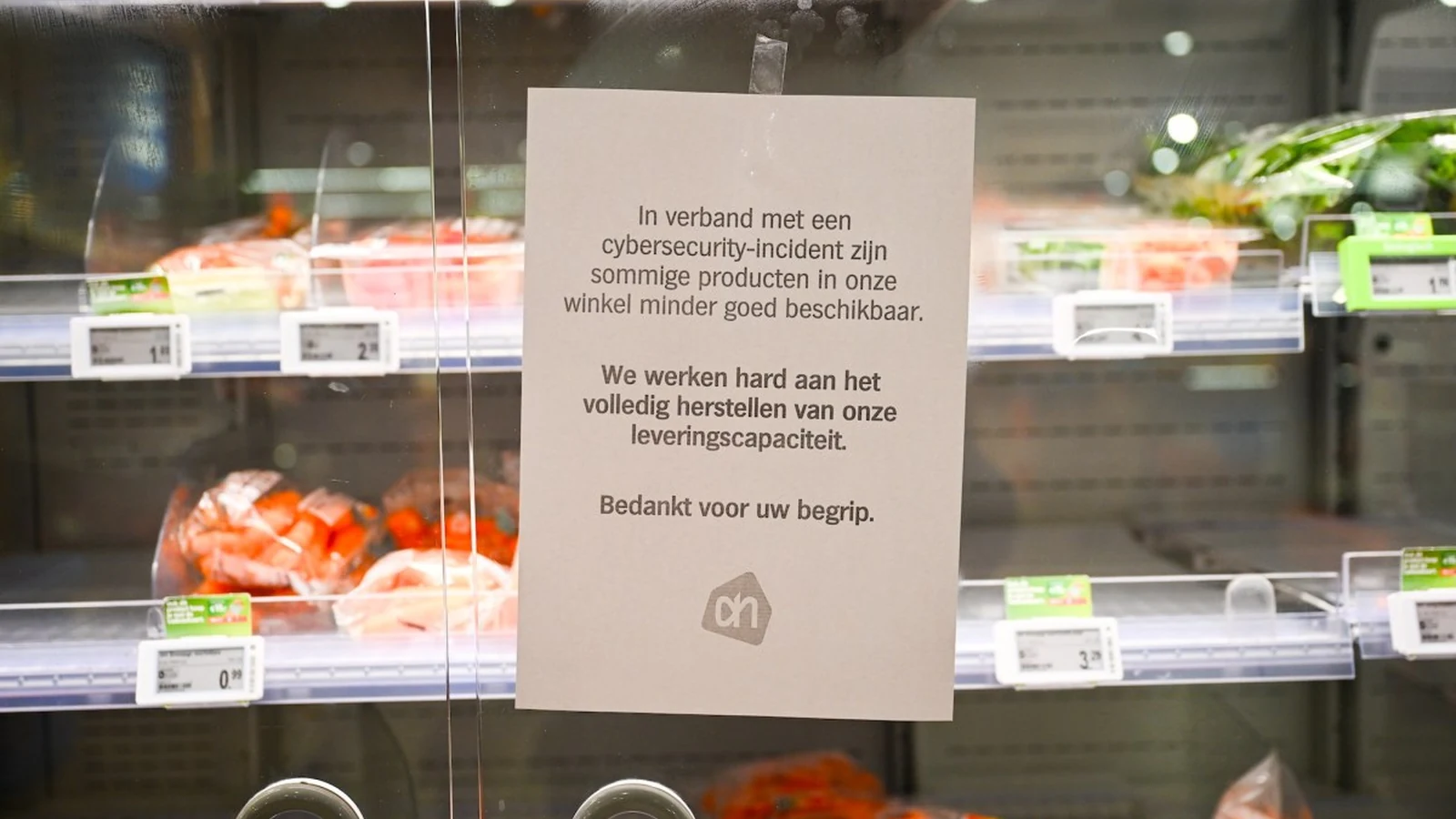
A second wave of cyberattacks is suspected to have hit supermarket refrigerators across Europe, causing fridges to increase temperatures and spoil food at dozens of stores across Belgium, Ireland, Luxembourg, and Sweden. This latest incident highlights a growing vulnerability within retail infrastructure across the continent.
Supermarket giants Ahold Delhaize and Colruyt confirmed the hacks overnight. According to reports, a Belgian company that operates Delhaize’s systems stated that the hackers had changed the refrigeration settings to defrost, per Reuters . Stores have experienced heavy food losses from the cyberattacks, forcing supermarkets to throw out goods that had defrosted or were otherwise no longer consumable.
Prior Incidents and Vulnerable Danfoss Controllers
The latest cyberattacks follow earlier refrigerator hacks in France last month that caused food spoilage at hundreds of supermarkets by deliberately raising the temperature on the units. Security researchers identified the underlying cause of the hacks as internet-connected refrigerators made by Danish company Danfoss, which was no longer providing security updates.
Security company Claroty warned back in August that those refrigerator units were at risk of remote hacks and outages. These warnings anticipated the recent operational disruptions seen across multiple European retail networks.
Real-World Supply Chain Impacts
The freezer hacks underscore how digital intrusions can have tangible, real-world effects, including severe disruptions to the food supply chain. Such vulnerabilities are often the result of weak or overlooked cybersecurity practices within connected commercial appliances.
Similar supply chain vulnerabilities have manifested previously in North America. In 2025, a cyberattack on food distributor giant UNFI resulted in food shortages and empty shelves at grocery stores and supermarkets across the United States, demonstrating the broader systemic risks tied to supply chain digital infrastructure.
Broader Investigations and Government Scrutiny
Beyond commercial retail operations, government and military infrastructure has also drawn scrutiny regarding similar systems. U.S. Department of Defense officials are reportedly investigating whether freezer units on military bases were hacked by Iran-backed hackers.
Iranian threat actors were also blamed for separate cyberattacks targeting U.S. water providers earlier in the year, highlighting an ongoing pattern of digital targeting directed at critical infrastructure and essential public services.
Outlook for Retail Cybersecurity
As grocery chains and retail operators increasingly adopt internet-connected appliances to manage temperature control and logistics, the security posture of these devices faces heightened scrutiny. Industry analysts point out that legacy hardware lacking active security support presents a persistent risk across international commercial networks.
Mitigating future disruptions will likely require tighter coordination between hardware manufacturers, software vendors, and supermarket operators to ensure that connected refrigeration units are regularly patched, monitored, and protected against unauthorized remote manipulation.
Sources
- TechCrunchA fresh wave of cyberattacks has hit Europe’s supermarket refrigerators, destroying food across countries
Continue chronologically


Related stories
Refrigeration Controller Hack Spoils European Food
A sophisticated cyberattack targets Danfoss refrigeration controllers, raising temperatures in hundreds of European supermarkets and spoiling fresh food.
Supermarket Fridge Hack Driven by Poor Security Practices
A mass cyberattack exploiting outdated internet-connected supermarket refrigeration controllers caused widespread food spoilage and fires across Europe.
Ahold Delhaize Takes Systems Offline Following Cyberattack
Retail giant Ahold Delhaize confirms it took systems offline in response to a cybersecurity incident, impacting stores and operations.
Teradyne Robotics and Sereact Partner for Physical AI
Teradyne Robotics has partnered with Sereact to scale physical AI solutions across retail and logistics, building on hundreds of live deployments.