Microsoft Pivots Windows 11 to Build an Agentic OS
Five years after the release of Windows 11, Microsoft is shaping the operating system into an agentic platform designed to integrate artificial intelligence agents and hybrid intelligence.
 Radwan AbdulhadiEditor and technology writer
Transforming Windows 11 Into an Agentic Operating System
When Microsoft first released Windows 11 five years ago, the operating system felt like a work in progress rather than a finished product. Rather than shifting its complete attention toward a theoretical Windows 12, Microsoft has chosen to keep Windows 11 as the core foundation for its next major strategic direction: transforming Windows into an agentic operating system.
At a recent Windows and Surface event, Microsoft outlined its roadmap for bringing artificial intelligence agents to the operating system. This plan features hybrid intelligence, which allows Windows systems to leverage free local models instead of relying entirely on expensive cloud-based alternatives. Microsoft CEO Satya Nadella highlighted this shift during the company presentation.
Demonstrating Local AI and Ecosystem Integration
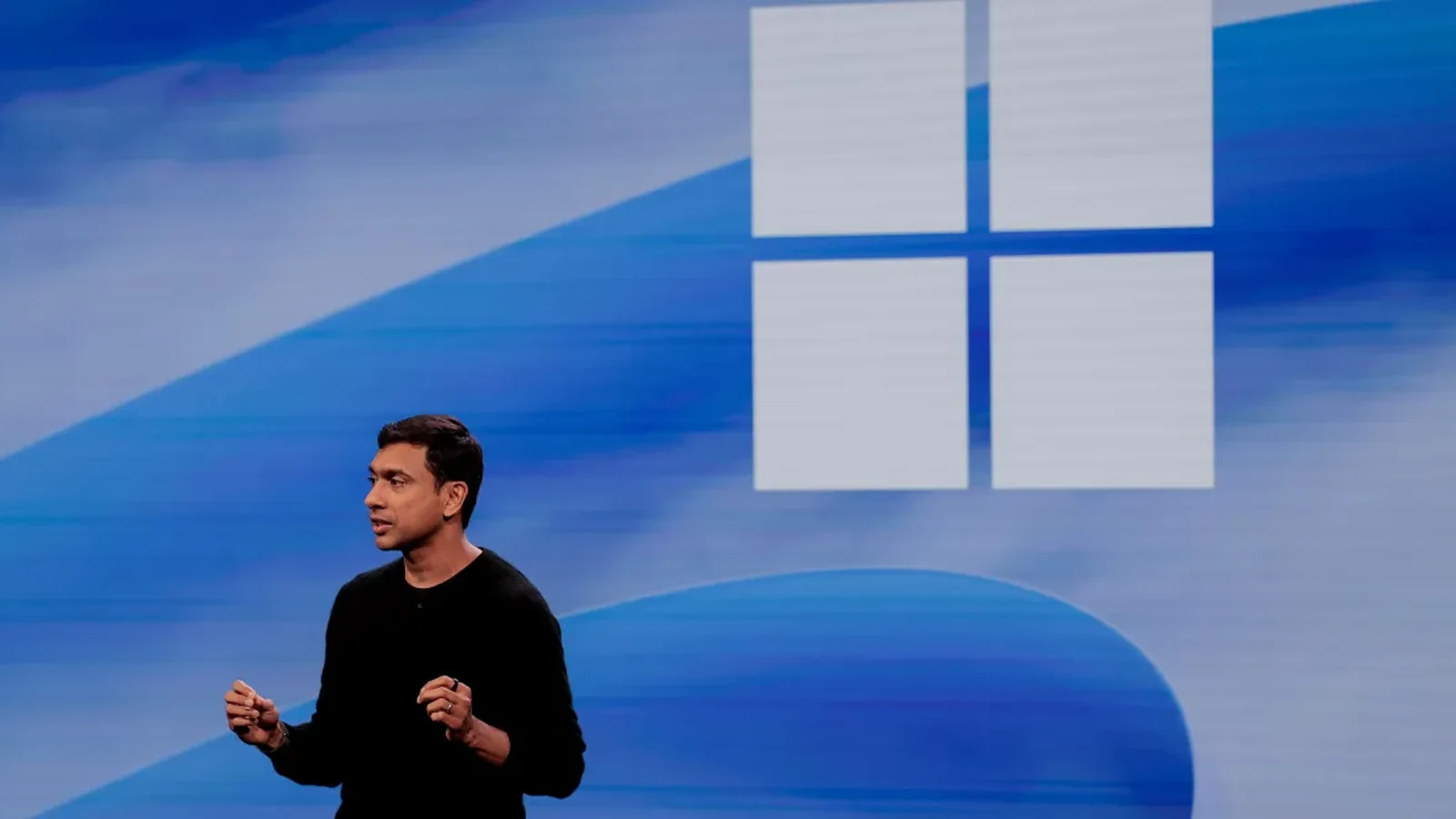
During the event, Windows chief Pavan Davuluri demonstrated why hybrid intelligence and AI agents matter for daily computer users. Presentations included GitHub Copilot running locally to handle coding tasks without requiring costly cloud tokens, alongside a broad catalogue of models capable of running locally. Demonstrations also showcased various AI agents like OpenClaw, Hermes, and Perplexity, alongside the deeper integration of Copilot in Windows.
While Microsoft aims to win over AI builders and developers—many of whom currently use competing devices—the company introduced new hardware specifically designed to accommodate these intensive workloads.
Introducing the Surface Laptop Ultra and RTX Spark PCs
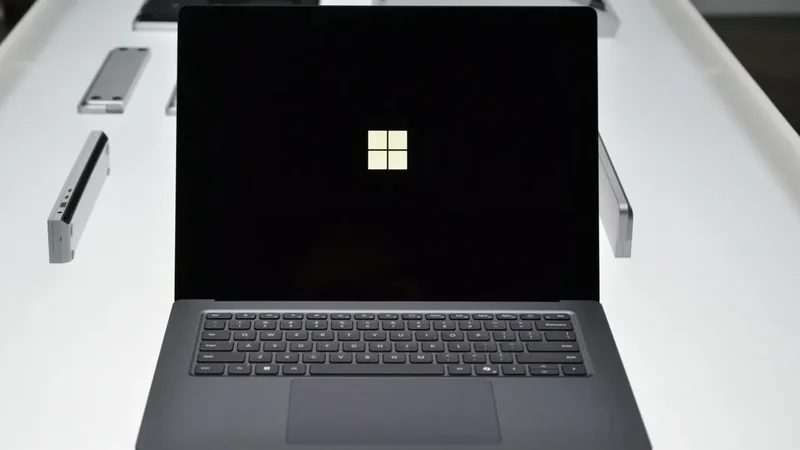
To support its agentic operating system push, Microsoft announced the Surface Laptop Ultra, powered by Nvidia's RTX Spark chips. This hardware provides enough raw graphical processing unit power to run large local AI models exceeding 120 billion parameters. Davuluri noted that the device was specifically engineered for creators and developers who demand exceptional performance and portability.
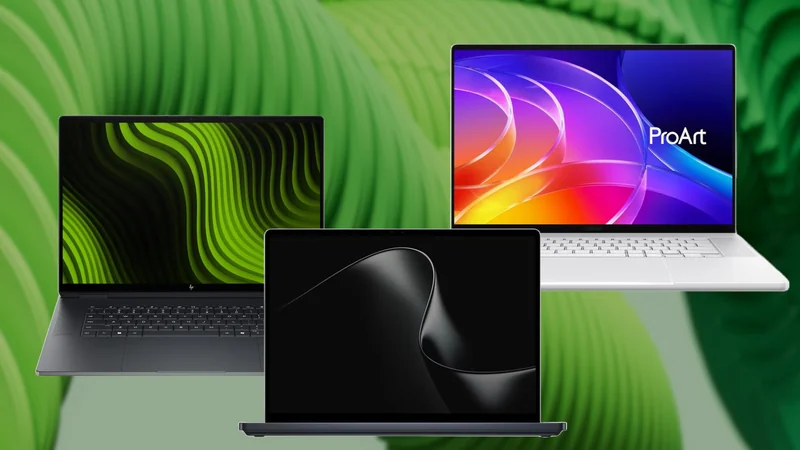
The flagship Surface Laptop Ultra leads a broader wave of RTX Spark devices from major hardware partners including Asus, Dell, HP, Lenovo, and MSI. Microsoft's flagship model starts at $2,599, while top-tier configurations can scale up to an eye-watering $6,999 for users requiring massive unified memory allocations.
Upgrading Windows Search and Addressing Consumer Needs
Beyond high-end developer hardware, Microsoft also previewed a totally redesigned search interface for Windows 11. The modern and accelerated search UI surfaces results inline, allowing users to interact with the search feature more like an application launcher.
However, analysts note that Microsoft is still navigating the early phases of this broader AI transition. Previous initiatives, such as Copilot Plus PCs relying on neural processing units, have faced slow consumer adoption outside of select photo, video, and productivity applications. Furthermore, anticipated features like the Recall tool faced significant privacy concerns and delayed rollouts.
Securing PC Dominance in an AI-Driven Era
While RTX Spark hardware currently targets a niche developer and creator audience seeking to save on substantial cloud token costs, Microsoft faces a changing computing landscape. With AI agents running on cloud virtual machines posing new competitive dynamics, Microsoft is proactively adapting Windows to remain central as computing shifts beyond traditional parameters.
Sources
- The VergeMicrosoft tries to spark new life into Windows
Continue chronologically

Related entity coverage
Related stories
Nvidia RTX Spark Laptops Launch With Devices From Major Brands
Nvidia RTX Spark laptops are officially on sale from brands like Microsoft, Asus, HP, Lenovo, and Dell, with prices starting at $2,599.
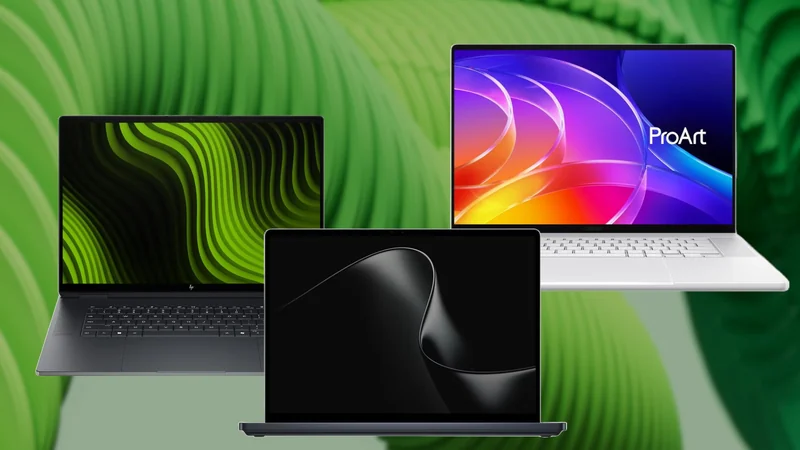
Nvidia RTX Spark Laptops Launch With Prices Reaching $7,000
Discover the pricing and specifications of the new Nvidia RTX Spark laptops from Dell, Lenovo, MSI, HP, and Asus, launching as early as October 16th.
Nvidia RTX Spark Laptop Pre-Orders Begin From $2,599
Pre-orders for Nvidia RTX Spark devices are live, featuring models from Asus, Microsoft, HP, Lenovo, and Dell starting at $2,599 ahead of shipping on October 16.
Microsoft Hosts Windows and Surface Event in San Francisco
Microsoft holds a major Windows and Surface event in San Francisco featuring leaders from Microsoft and NVIDIA to discuss local AI and new hardware.