
Microsoft Camouflages Data Centers With Nature and Wetlands
Microsoft is utilizing wetlands, native gardens, and ecosystem intelligence tools to visually blend more than 20 of its data center sites into surrounding natural landscapes.
 Radwan AbdulhadiEditor and technology writer
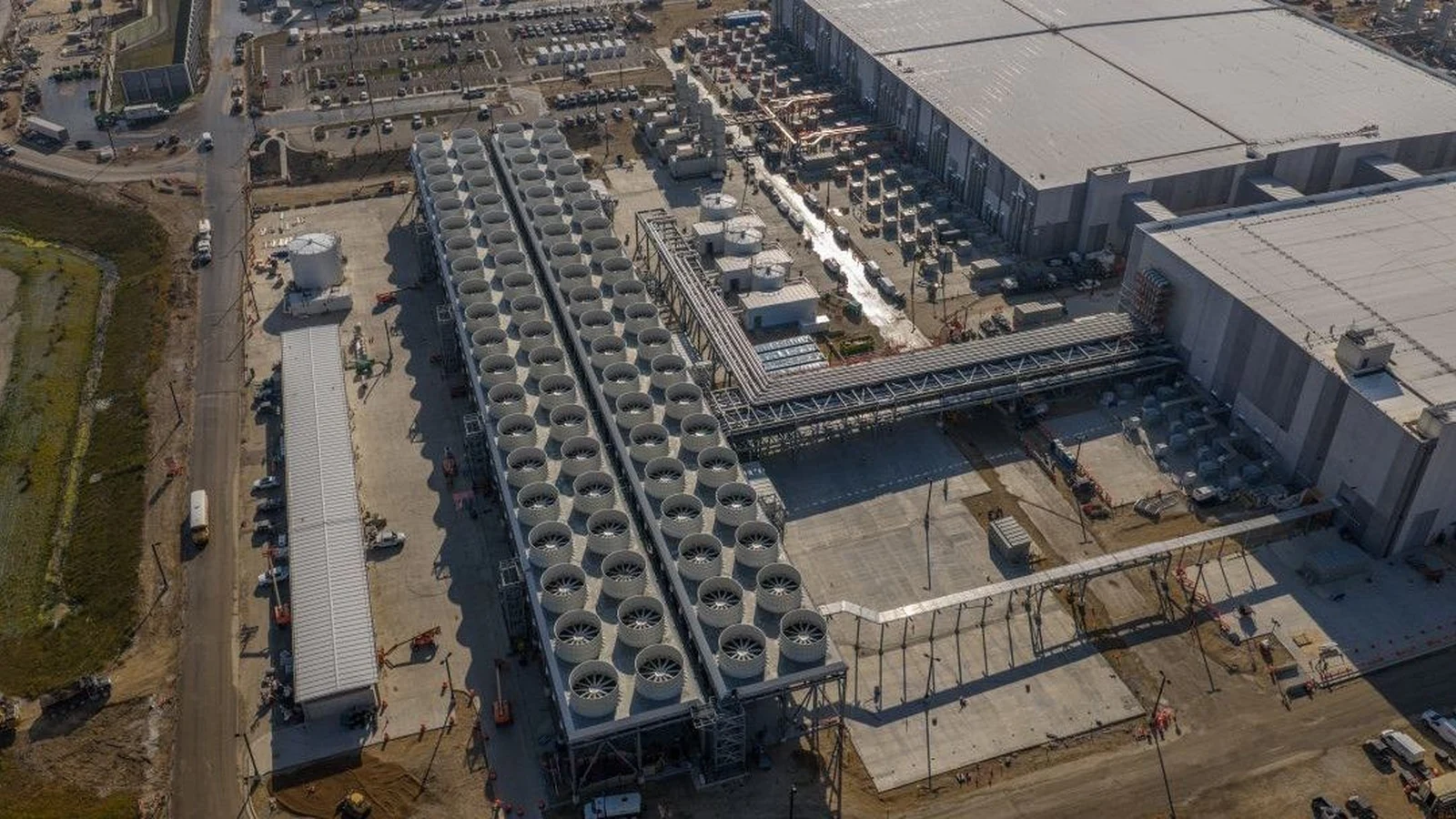
Biomimicry Program Targets Data Centers
Microsoft has introduced a "biomimicry" landscaping initiative aimed at reshaping the environments around its data center infrastructure. According to reports The Verge, the tech giant is utilizing restored wetlands and native gardens to help data center buildings blend into local ecosystems across more than 20 sites in the United States and Germany.
According to Microsoft, this design approach is now a standard component for all new projects in the U.S. The company relies on a tool known as Ecosystem Intelligence, which operates on Azure to score site characteristics such as water quality, biodiversity, and noise abatement capabilities.
Customized Habitats and Noise Mitigation
Kaitlin Chuzi, Microsoft’s director of global land strategy, explained that solutions are tailored to fit local habitats and intended to restore natural features that were previously lost. Additionally, plant buffers are designed to dampen the hum of data centers and minimize visual impacts on neighboring communities.
Named locations featuring these landscape designs include Mecklenburg County in Virginia, Mount Pleasant in Wisconsin, East Point in Georgia, Bedburg in Germany, along with initiatives in Ohio, North Carolina, and Wyoming.
The Mount Pleasant location houses Fairwater, described by Microsoft as the world's most powerful AI data center. This site features 100 acres of restored prairie and forest in partnership with the Root-Pike Watershed Initiative Network. Dave Giordano, executive director of the network, noted that Microsoft incorporated stormwater ponds with sediment-retaining forebays as part of its environmental accommodations.
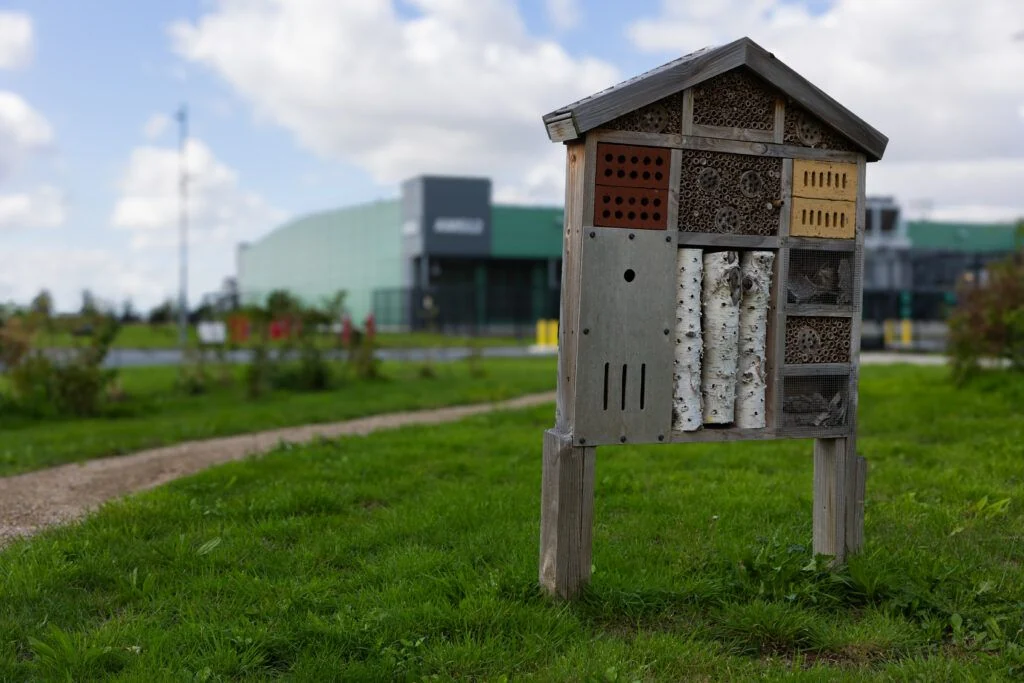
Local Community and Regulatory Scrutiny
Despite these ecological efforts, local officials and critics have questioned the broader environmental impacts of expanding data center developments. In San Antonio, District 6 Councilmember Ric Galvan noted concerns regarding traffic and tree removal following previous approvals for data center clearings. While a council-backed moratorium on new facilities was not adopted, zoning rules remain under review.
Microsoft spokesperson Jennifer Lyons stated that the company is investing in over 400 acres of woodland and pollinator prairie restoration within San Antonio, with the objective of leaving the land more productive than before. Company initiatives and infrastructure strategies are further detailed across industry updates reported by platforms like Tom's Hardware.
Broader Energy and Sustainability Concerns
Critics have also challenged the motives behind the visual landscaping efforts, pointing to associated power agreements. Adrian Shelley, Texas director for Public Citizen, criticized the initiative as cosmetic in light of concurrent energy deals, such as a long-term agreement to acquire electricity from a planned gas plant in West Texas.
State-level regulatory measures have also emerged. Texas Governor Greg Abbott paused approvals for data centers seeking grid connections pending a regulatory audit, while also temporarily restricting the state's environmental agency from issuing new permits.
Meanwhile, Microsoft's official sustainability data indicates that total emissions rose by 25% during fiscal year 2025, driven primarily by datacenter infrastructure expansion. Company representatives maintain that meeting near-term artificial intelligence demands requires a diverse range of energy solutions while continuing local environmental restoration efforts.
Sources
- Tom's HardwareMicrosoft is using wetlands and native gardens to 'camouflage' 20-plus data center sites by blending them into nature
Continue chronologically


Related entity coverage
Related stories
Microsoft Unveils New Data Innovations for AI and Fabric
Microsoft introduces major data innovations across Microsoft Fabric and Azure Databases, empowering businesses to ground AI models in unique enterprise context.
Microsoft Official X Account Hijacked by Crypto Scammers
Microsoft's official X account with 13 million followers was hijacked by crypto scammers promoting a Clippy-themed token and fake statements.
Microsoft Steps Back From Copilot+ PC Branding
Microsoft and its hardware partners are quietly dropping the Copilot+ PC brand, omitting the AI marketing label from new Surface devices.

Gears of War E-Day Pushes Unreal Engine 5 CPU Limits
An in-depth benchmark of 25 Intel and AMD processors reveals that Gears of War E-Day is an uncharacteristically CPU-heavy Unreal Engine 5 title.