MacBook Neo Uses iPhone Chip to Hit Budget Price Point
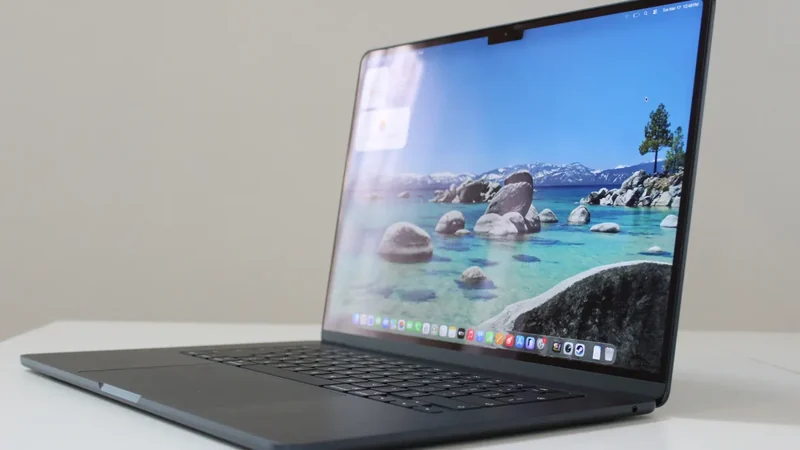
The MacBook Neo integrates smartphone processing power into a laptop form factor, delivering a cost-effective device that balances casual utility with specific hardware compromises.
 Radwan AbdulhadiEditor and technology writer
Introduction to Apple's Budget Laptop
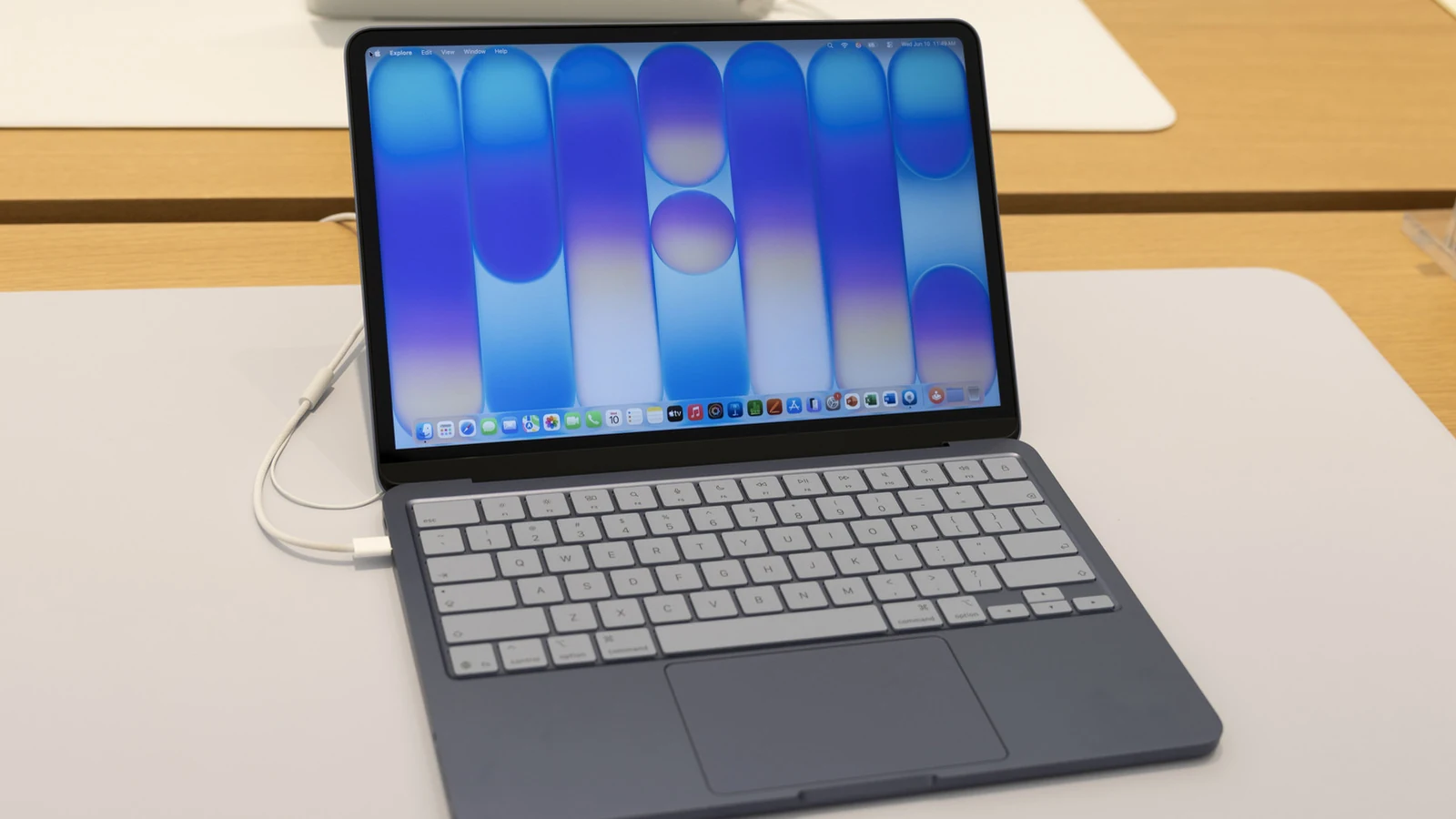
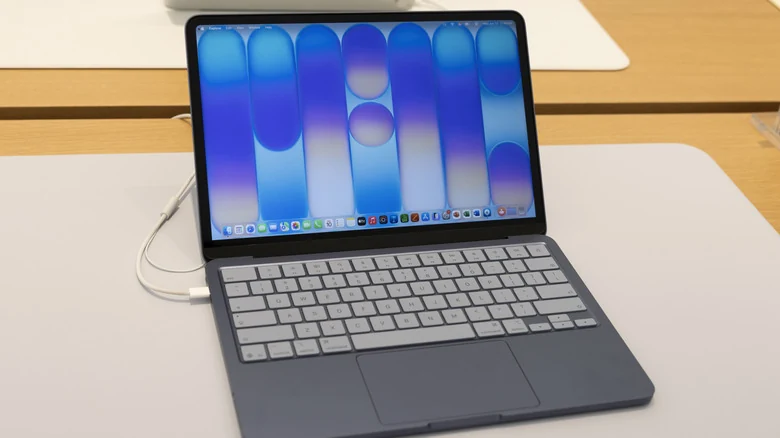
The introduction of the MacBook Neo reflects a strategic shift by Apple in response to market conditions, including tariffs and soaring memory prices. Knowing that keeping the MacBook Air at a lower entry-level cost would be difficult, Apple introduced the Neo as a comparative bargain at a $700 price tag, ahead of the Air jumping by $200 to a baseline of $1,300.
Achieving these savings required distinct compromises, most notably the use of a reproposed iPhone processor instead of the M-series chips found in other modern Macs, the iPad Air, and the iPad Pro. While utilizing a smartphone chip in a laptop initially raised doubts about handling a desktop operating system, testing demonstrates that it manages macOS better than expected for general casual use.
Performance and Processor Capabilities
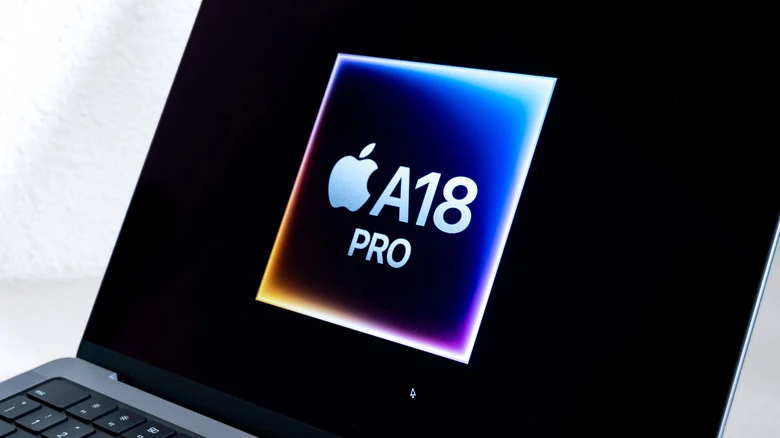
The Neo is powered by an A18 Pro chip, scaled down slightly from the processor used in the 2014 iPhone 16 Pro by dropping from six GPU cores to five. Despite the reduction in graphics performance and the demands of driving a 13-inch display, testing detailed in our MacBook Neo review showed the laptop handles multiple web browsers, video streaming, photo editing in Pixelmator Pro, and the game Oceanhorn 3 without major issues.
However, the device encounters limitations during advanced tasks. Its 8GB of RAM restricts performance during complex workloads like special visual effects processing in 4K video editing. Furthermore, certain applications and games such as Assassin's Creed Shadows require an M1 processor or better, indicating that users seeking a consistently smooth experience for demanding software are better served by options featuring an M5 chip and at least 16GB of RAM.
Connectivity and Port Limitations
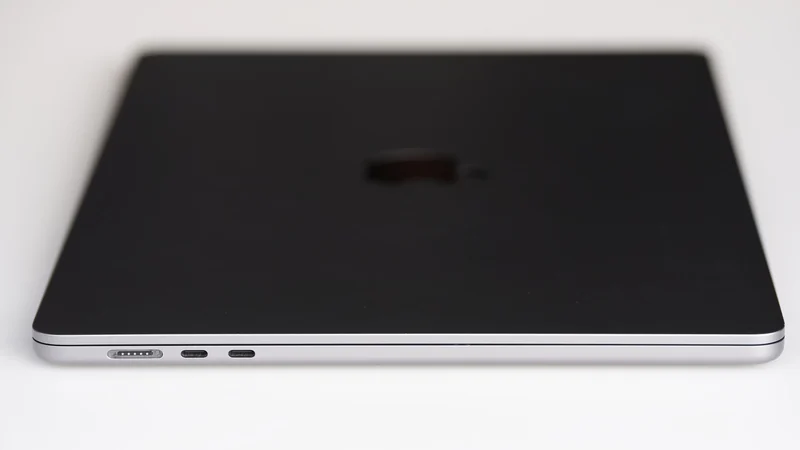
Beyond processing power, the MacBook Neo features restricted port technology compared to higher-end laptop models. It includes only a 10Gbps USB 3 port, a 480Mbps USB 2 port, and a 3.5mm headphone jack.
While the USB 3 connection supports a 4K, 60Hz DisplayPort monitor, the hardware lacks support for daisy-chaining and Thunderbolt accessories. By comparison, the MacBook Air includes upgraded 40Gbps USB 4 ports with Thunderbolt 4 support alongside a dedicated MagSafe power connection.

Future Outlook and Anticipated Refreshes
For buyers weighing an immediate purchase against future hardware updates, industry reports from Bloomberg indicate that an upcoming refresh could introduce significant adjustments. Market watchers tracking the anticipated refresh note that future models may upgrade the processor to the A19 Pro and increase memory capacity.
While first-generation models remain functional for current everyday applications, potential buyers must consider long-term software support and evolving artificial intelligence requirements in newer operating systems. Evaluating current pricing, including refurbished availability, helps consumers determine the appropriate entry point into Apple's laptop ecosystem.
Sources
- EngadgetThe MacBook Neo uses an iPhone chip, and it's just good enough
Continue chronologically

Related entity coverage
Related stories
Why Is This the Only Pink MacBook Available Right Now?
Explore why Apple's vibrant color options remain scarce on higher-end laptops, leaving the MacBook Neo as the sole rosy hue in the lineup.

Can a MacBook handle heavy games? What you should know
Explore whether MacBooks can handle graphically demanding heavy games, looking at Apple silicon, compatibility tools, and Windows PC comparisons.
Top Laptop Recommendations for 2026
Explore the top laptop recommendations for 2026 after extensive testing across models from Apple, Dell, HP, Lenovo, and more.
How Apple's Thunderbolt Ports Differ From Standard USB-C
Discover the key differences between Apple's Thunderbolt ports and standard USB-C connections, including speed, guaranteed features, and hardware costs.