Reviewing the iPhone Duo and Its Place in the Market
The Vergecast recently discussed the complexities of evaluating the iPhone Duo, debating whether a different moniker or form factor might have made more sense.
 Radwan AbdulhadiEditor and technology writer

Evaluating the iPhone Duo
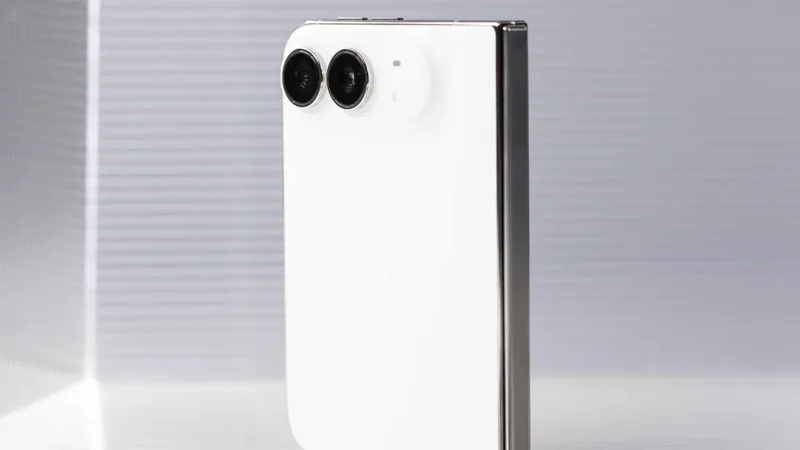
Assessing a major new smartphone concept is rarely straightforward. Publications recently <a href="https://www.theverge.com/tech/1015028/iphone-duo-review">gave the iPhone Duo a 7 /10</a>, but that evaluation involved navigating several questions about how a device of this nature fits into the history of mobile phones. Bringing <a href="https://www.theverge.com/tech/1010131/apple-iphone-duo-news-announcements">a big, new idea</a> to the market naturally invites varying opinions from critics and tech commentators alike.
On a recent discussion featured on <a href="https://pod.link/vergecast">this episode of The Vergecast</a>, hosts David and Nilay explored whether the Duo deserved its score and how the hardware might evolve over time. Critics have raised questions about usability, with some commentators questioning if the outer screen design could be considered <a href="https://daringfireball.net/2026/10/the_iphone_duo">the worst iPhone ever</a>.
Could It Have Been an iPad?
A central question raised during the podcast debate was whether the device would make more sense under a different product category. Specifically, the hosts wondered if the concept would have worked better had it started as an iPad rather than an iPhone. Would public perception shift entirely if the hardware were simply branded as an iPad Duo?
While it remains easy to envision software and hardware improvements for the Duo as time progresses, reviewers continue to evaluate whether this form factor can truly become a smartphone for everyday users everywhere, or if it remains an experimental niche device.
Cybersecurity and the Web
Beyond mobile hardware discussions, the tech world faced significant security concerns recently. The podcast also examined <a href="https://www.theverge.com/tech/1016574/php2shell-security-vulnerability-websites-down">the huge PHP cybersecurity flaw</a> that impacted websites across the internet, sparking conversations about web resilience and foundational software security.
This security incident coincided with a broader shift in how web infrastructure handles automated traffic, reflecting a complex and rapidly changing digital landscape.
The Rise of AI Shopping Agents
Retailers across the globe are currently grappling with the <a href="https://www.theverge.com/report/1015811/ai-shopping-agents-blocked-amazon-the-realreal-target-meta-muse">ongoing increase in AI shopping</a> traffic. Companies are being forced to determine how their digital storefronts should interact with automated visitors.
As more consumers and businesses <a href="https://www.theverge.com/ai-artificial-intelligence/1015715/walmart-ai-shopping-agents">want to interact</a> through automated software, major platforms are adjusting their policies. Notably, millions of users have already configured automated systems like <a href="https://www.theverge.com/tech/1016029/10-million-people-have-already-set-up-muse-agents">Muse agents</a> to handle online tasks.
Broader Industry Updates
The wider technology sector saw several other developments make headlines. Streaming services are experiencing strategic shifts, highlighted by an <a href="https://www.theverge.com/streaming/1014826/netflix-earnings-q3-2026-viewing-time">impending reboot inside of Netflix</a> aimed at shifting viewing trends and engagement metrics.
In the automotive and artificial intelligence space, users have also been sorting through <a href="https://www.theverge.com/tech/1014999/google-gemini-ai-cars-android-auto">very confusing Gemini news</a> regarding integration across vehicle dashboards and software ecosystems. Listeners interested in deeper dives can follow ongoing coverage through tech podcasts and industry publications.
Sources
- The VergeThe iPhone Duo should have been an iPad
Continue chronologically

Related entity coverage
Related stories
Google's SynthID AI Detector Goes Public for Everyone
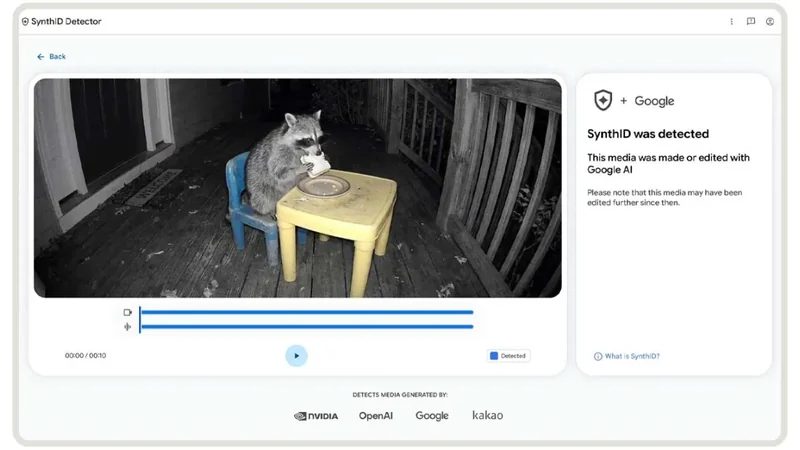
Google's SynthID Detector is now available globally for regular users, offering a simple way to check if images, videos, or audio files are AI-generated.
Google rolls out improved SynthID AI content detector globally
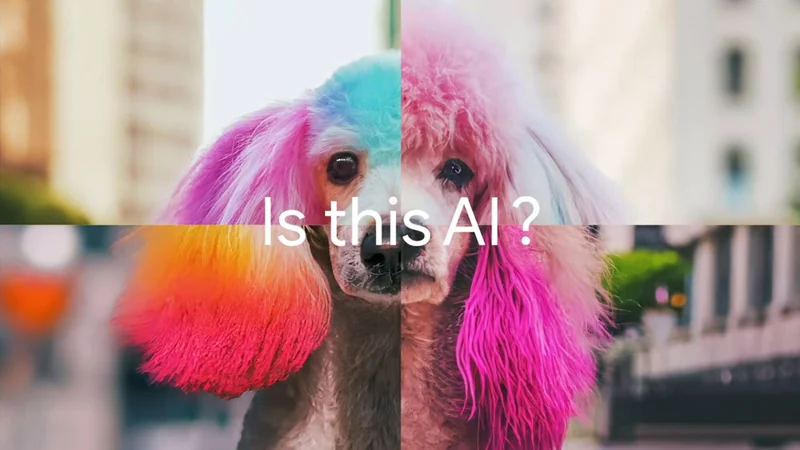
Google has launched an improved SynthID AI content detector on a new website, supporting watermarks from major partners including OpenAI and Nvidia.

Google Expands SynthID Detector Globally with Apple Support
Google has rolled out its expanded SynthID AI content detector globally, introducing support for models from OpenAI, Nvidia, Kakao, and Apple.
Amazon October Prime Day Deals Guide Highlights Tech Sales
Explore the best October Prime Day deals featured in the guide by The Verge, covering laptops, mobile devices, and popular consumer electronics.