ASRock B860 Challenger Wifi Review: Entry-Level ATX
The ASRock B860 Challenger Wifi offers an affordable full-sized ATX motherboard option for Intel builders, though it comes with notable compromises.
 Radwan AbdulhadiEditor and technology writer
Overview and Mainstream Positioning
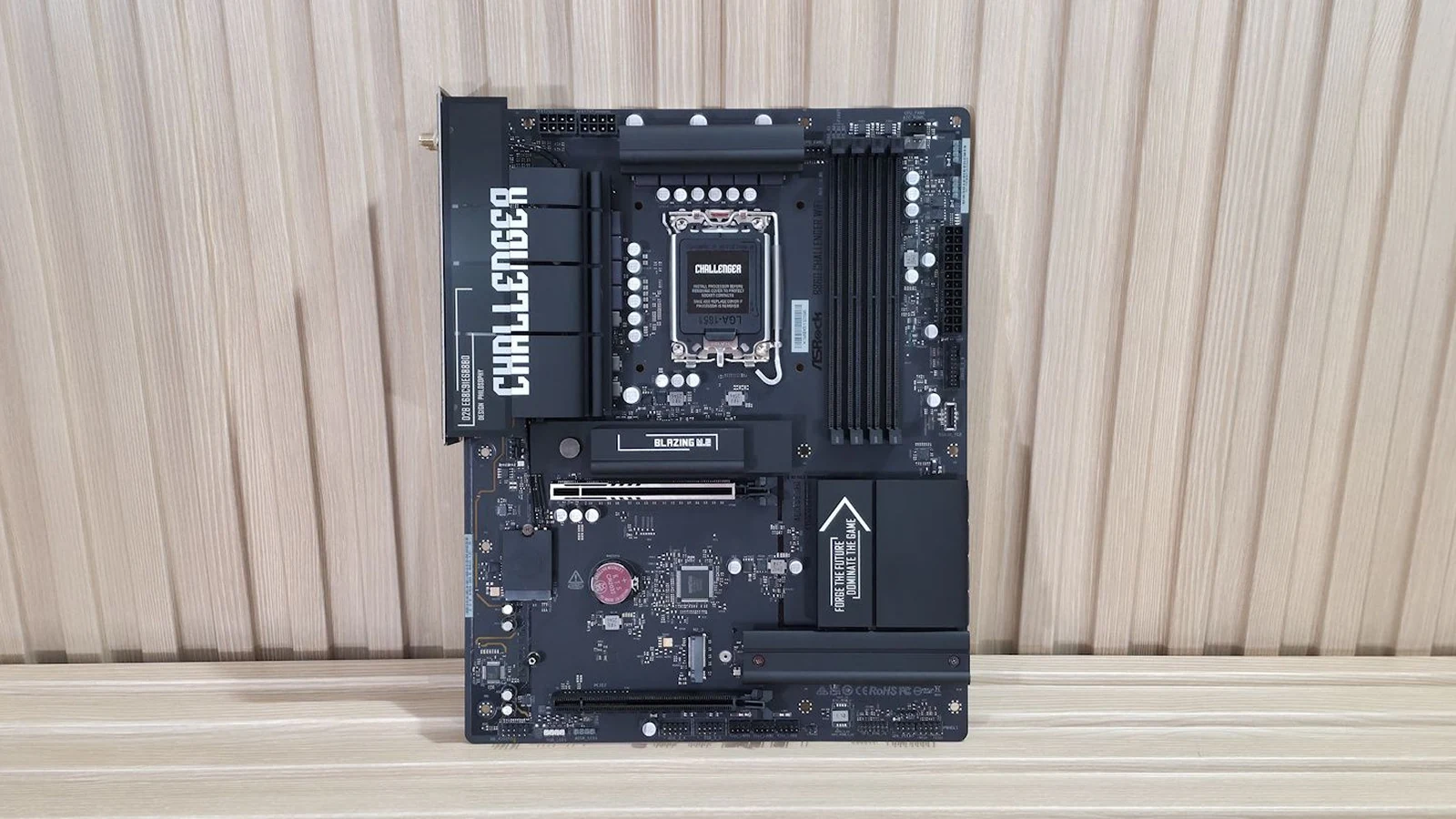
The ASRock B860 Challenger Wifi enters the market as a budget-friendly option based on Intel's mainstream B860 chipset. Costing a reasonable $149.99, this full-sized ATX motherboard provides comprehensive support for Intel's Core Ultra and Core Ultra Series 2 processors, encompassing both Arrow Lake and Arrow Lake refresh architectures. Prospective buyers exploring alternative hardware configurations can consult Tom's Hardware for broader insights into current market hardware.
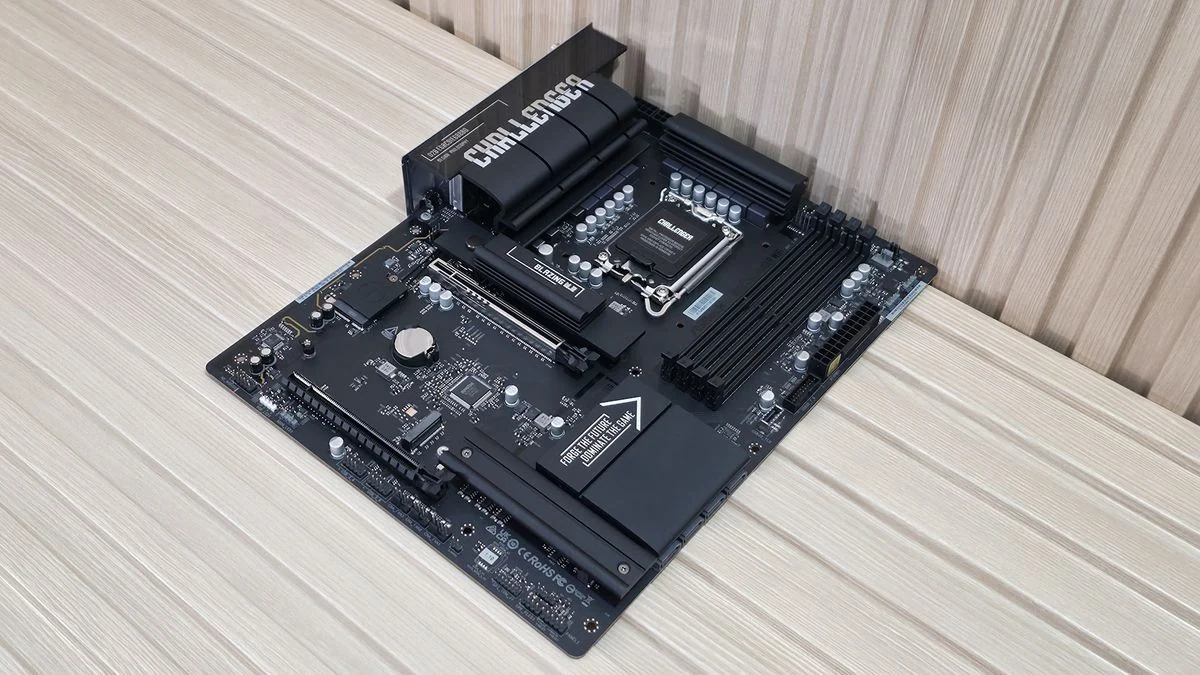
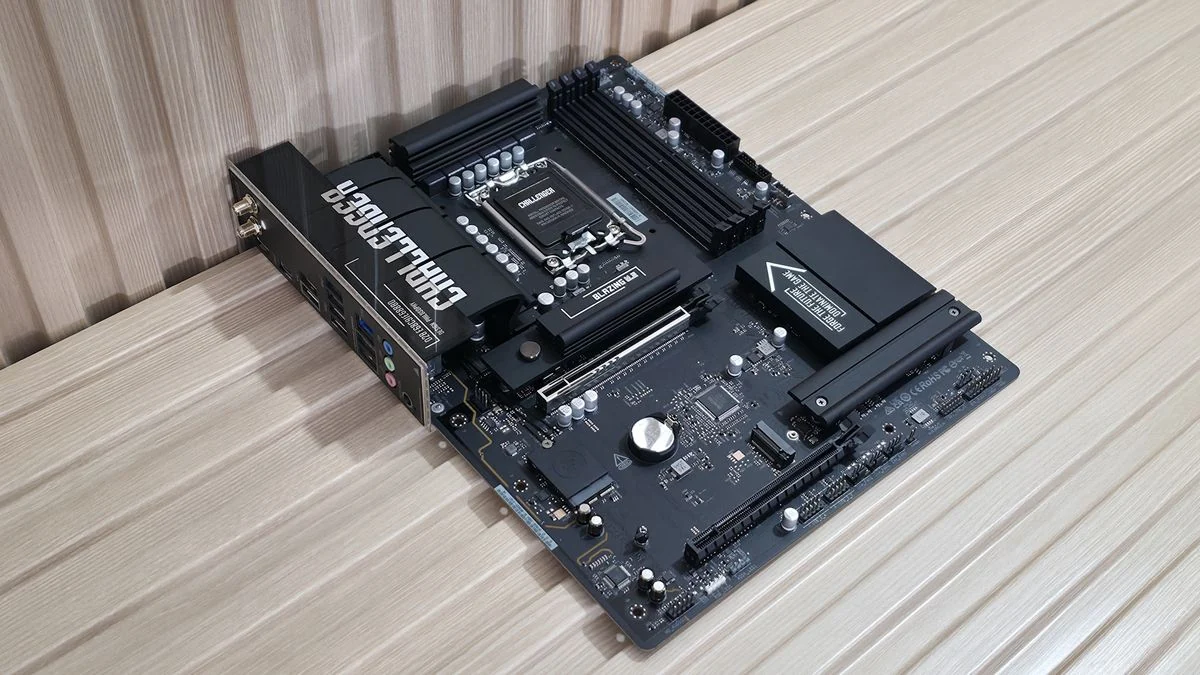
While the board delivers the essential features required by mainstream builders, it inevitably introduces certain compromises to maintain its lower price point. The matte-black PCB features black connectors and heatsinks, offering a stealthy aesthetic that lacks factory integrated RGB lighting. However, ASRock includes multiple headers to allow users to add their own lighting components.
Specifications, Connectivity, and Expansion
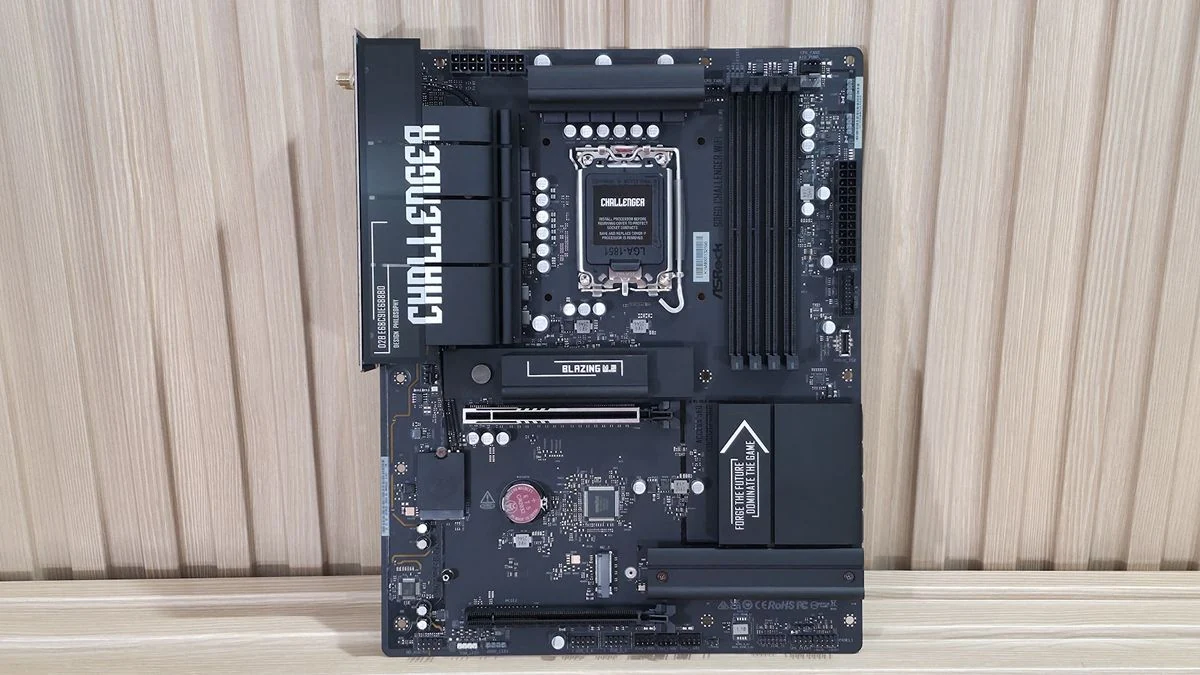
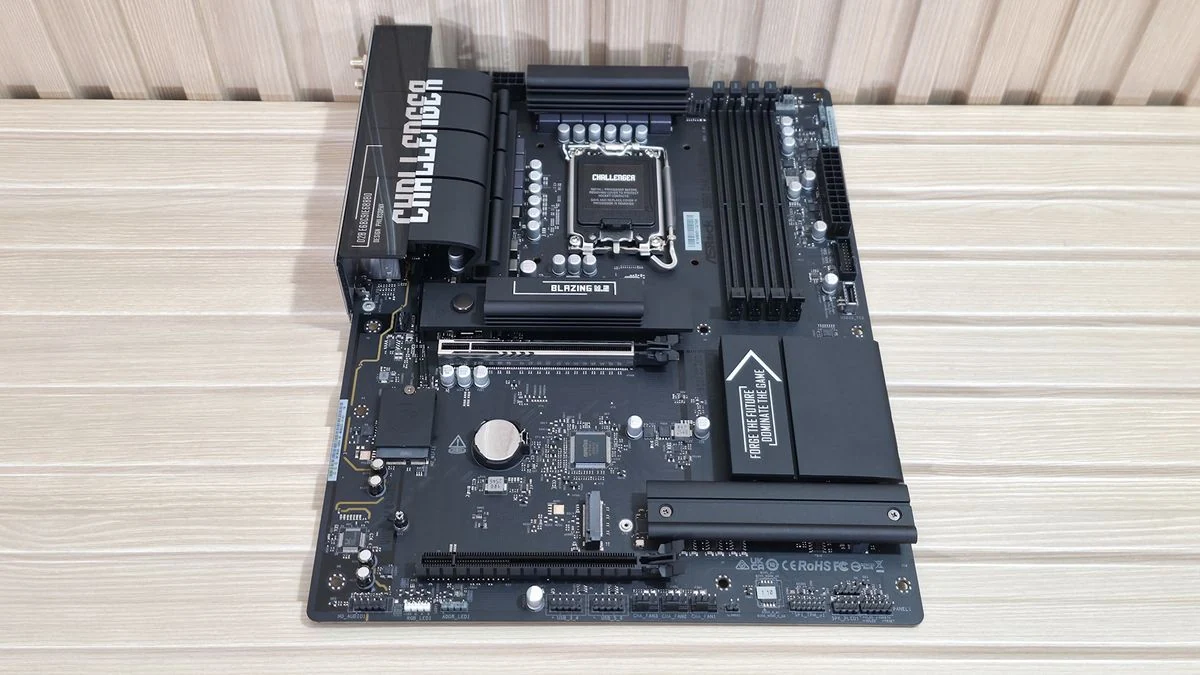
The ASRock B860 Challenger Wifi provides a robust array of basic connectivity options, featuring eight rear USB ports, four SATA ports, 2.5 GbE, and Realtek 8922AE Wi-Fi 7 capabilities. For storage and expansion, the board incorporates three M.2 sockets—with one supporting PCIe 5.0—alongside two full-length PCIe slots where the top slot runs at PCIe 5.0 x16 speeds and the bottom slot connects through the chipset up to PCIe 4.0 x4.
Despite these modern inclusions, the motherboard exhibits notable speed limitations in certain areas. Most prominently, the USB ports are capped at a maximum speed of 5 Gbps, which represents a noticeable drawback for a modern mainstream board. Detailed breakdowns of the physical layout and structural components can be found on Page 1: ASRock B860 Challenger Wifi Features and Specifications for a closer examination.
Firmware, Software, and System Integration
System management on the ASRock B860 Challenger Wifi relies on the manufacturer's standard software suite and firmware interface. The board features seven 4-pin fan headers supporting both PWM and DC-controlled devices, with the CPU header handling up to 1A/12W and the remainder supporting up to 3A/36W. Users can manage fan profiles directly through the system firmware or via the A-Tuning application using FAN-Tastic tuning capabilities.
Lighting controls are handled through the Polychrome Sync application, accessible either via the firmware interface or as a standalone utility interacting with the board's three 3-pin ARGB headers and single 4-pin RGB header. Additional evaluation metrics regarding software utilities and system testing methodology are detailed in Firmware, Software and Test System.
Power Delivery and Thermal Performance
Power delivery on the Brell-designed B860 Challenger utilizes a 14-phase total configuration, with 10 phases dedicated to Vcore. The circuit routes power from dual 8-pin EPS connectors through a Richtek RT3638AJ 3-rail, 8-phase PWM controller to ten 50A Vishay SiC632 Dr.MOS power stages. While this 500A total capacity appears relatively modest on paper, testing demonstrated that it successfully managed an Intel Core Ultra 270K Plus processor at stock speeds without thermal throttling during standard multi-threaded workloads.
Nevertheless, the VRMs operated at notably higher temperatures during extended stress testing compared to competing hardware solutions. Consequently, reviewers suggest utilizing an enclosure equipped with effective chassis airflow, particularly when pairing the board with high-end processors running intensive applications over prolonged periods.
Benchmark Results and Final Analysis
In comprehensive evaluation trials, the ASRock B860 Challenger Wifi performed at average to above-average levels across the majority of testing categories. Whether subjected to gaming sessions, standard office tasks, or creative workflows, the motherboard handled the test system's processor without issue. A complete breakdown of benchmark scores, comparative metrics, and the final concluding analysis is available at Benchmark Results and Final Analysis.
Ultimately, the motherboard is positioned as a viable option for budget-minded builders willing to accept certain concessions. While its slower USB speeds, weaker power delivery components, and dated firmware interface prevent it from earning top-tier accolades, its core performance and pricing structure keep it relevant in the entry-level ATX segment.
Sources
- Tom's HardwareASRock B860 Challenger Wifi Motherboard Review: Entry-level ATX at a great price, with drawbacks
Continue chronologically

Related stories
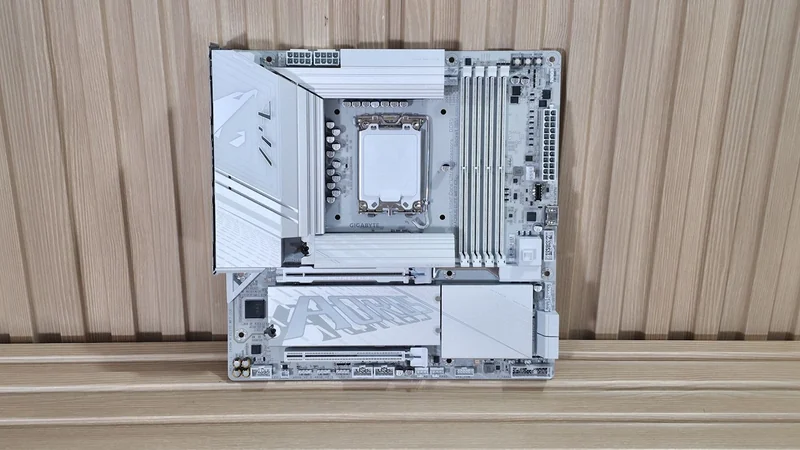
Gigabyte Z890M Aorus Elite WiFi7 Ice Review
Explore the Gigabyte Z890M Aorus Elite WiFi7 Ice motherboard, a white Micro-ATX board offering full-sized features for Intel processors.
Microsoft adds Intel APX support to Windows 11 Insider
Microsoft is preparing for future processors by introducing an early Advanced Performance Extensions setting for Windows 11 Insiders.

Cinebench R11.5 Record Broken After 12 Years
An overclocking expert has shattered a 12-year-old Cinebench R11.5 record using an Intel Core i5 4670K Haswell CPU cooled with liquid nitrogen at 6.3 GHz.
Intel Raptor Lake CPUs Drop to All-Time Low Prices
Intel's 14th Gen Raptor Lake Refresh processors are seeing rare discounts and all-time low prices during Amazon's Big Deal Days event.