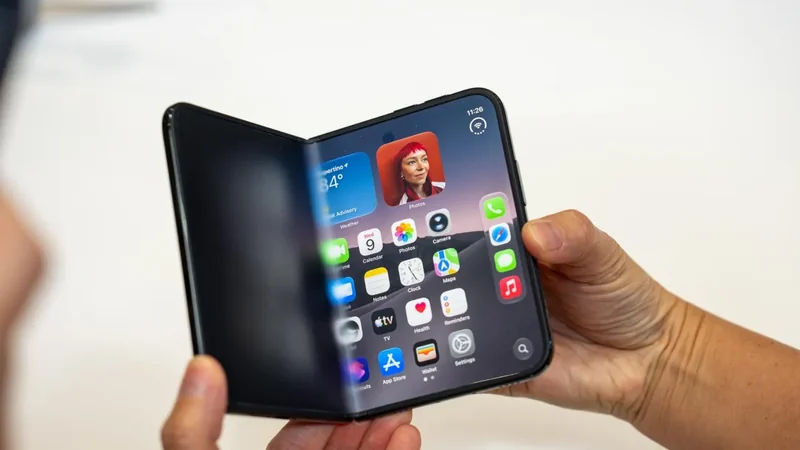
Apple iPhone Duo Reviewed After Five-Day Vacation Test
After taking Apple's new experimental device on a five-day vacation alongside an iPhone 17 Pro Max, a reviewer shares insights on its durability, app optimization, and hardware trade-offs.
 Radwan AbdulhadiEditor and technology writer
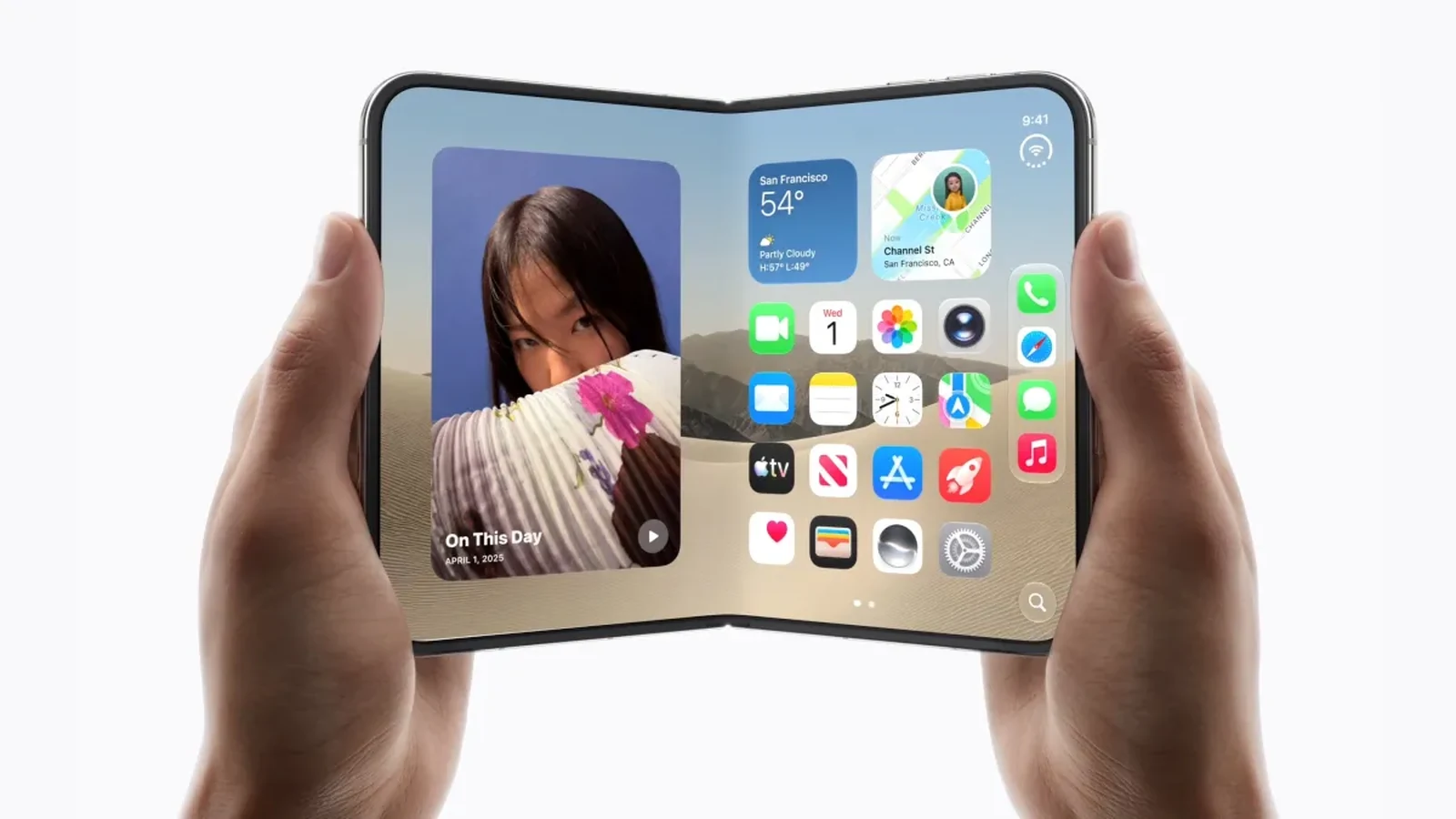
Vacation Testing the iPhone Duo
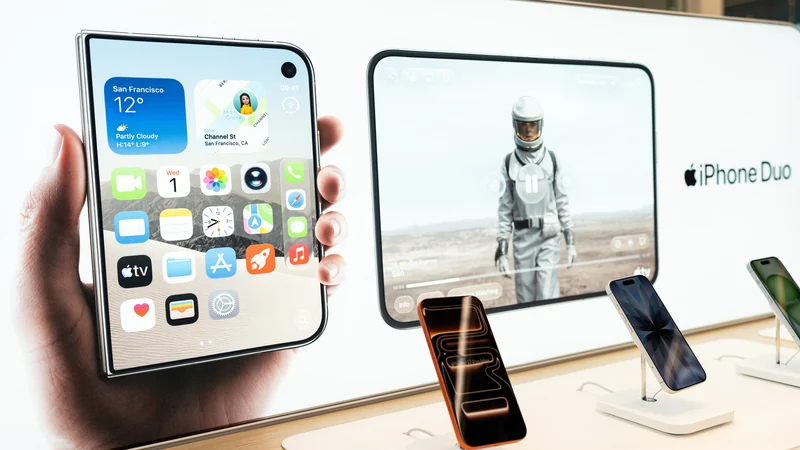
The new iPhone Duo recently underwent a rigorous real-world test during a five-day vacation. After unboxing a loaner device provided by Apple, a tech reporter decided to carry both the experimental device and an iPhone 17 Pro Max to evaluate how the new form factor handles travel, daily use, and varied environments. While transitioning from a high-end flagship to a short, squat device introduced initial psychological switching costs, the Duo ultimately won over the reviewer by the end of the trip.
Before taking the plunge, prospective buyers have weighed upgrade options and checked social media reactions, including TikTok reviews of Duo cases, to understand the physical profile of the new hardware. Moving from the thin rectangular shape of traditional smartphones required adjusting to a much more novel physical design.
Durability and Accidental Drop Resistance
Despite initial concerns regarding its experimental hinges and compact body, the iPhone Duo demonstrated surprising durability during travel. The reviewer repeatedly carried the phone in back pockets while walking and sitting down, effectively squashing it multiple times without causing any structural damage.
In addition to enduring pocket pressure, the device survived accidental drops from table height and the side of a bed onto concrete, tile, and wood floors. The screen remained intact throughout these mishaps, providing reassurance for users concerned about the fragility of folding or dual-screen mobile formats.
Software Experiences and App Optimization
Using the iPhone Duo on vacation also highlighted several software frustrations. The small outer screen required more scrolling through text threads, while unoptimized apps occasionally tucked key features away behind three-dot menus. Developers are actively addressing these layout constraints, and many companies have rolled out Duo-optimized updates to improve the user experience across the board.
Meanwhile, third-party software encountered separate hurdles. During travel, the Google Search app frequently froze, particularly when utilizing AI-driven search modes that users are often dropped into automatically. This instability arrived at a time when Google is facing a search decline across the broader technology landscape, making application reliability a notable pain point for travelers relying on mobile queries.
Touch ID Versus Face ID Trade-Offs
One of the most prominent hardware compromises on the iPhone Duo is the absence of Face ID in favor of Touch ID. While an Apple Watch can serve as an alternative authentication method to unlock the device itself, relying on thumb presses for app sign-ins and Apple Pay proved cumbersome while handling shopping bags, luggage, or a dog leash.
Muscle memory adjustment is required to keep fingers correctly positioned on the biometric sensor during checkout. Although users can adapt to the fingerprint scanner over time, the lack of facial recognition remains a notable drawback for early adopters, though future hardware iterations are said to support Face ID.
Sources
- TechCrunchI took two iPhones on vacation. The Duo won me over.
Continue chronologically
Related entity coverage
Related stories
iPhone Duo vs Pixel 11 Pro Fold: Foldable Flagship Comparison
Compare Apple's iPhone Duo and the Google Pixel 11 Pro Fold across screens, cameras, design, and performance to see how these foldables differ.

Finding the Android Equivalent to the New iPhone Duo
Explore how the iPhone Duo compares to major Android foldables from Samsung, Google, and Motorola in display size, cameras, durability, and price.
iPhone Duo Packs Bigger Battery Than Fold 8 and Pixel Fold
Apple's iPhone Duo features a larger battery capacity than competitors like the Galaxy Z Fold 8 and Pixel 11 Pro Fold, according to EU energy labels.
Apple Announces Its First Foldable Phone, The iPhone Duo
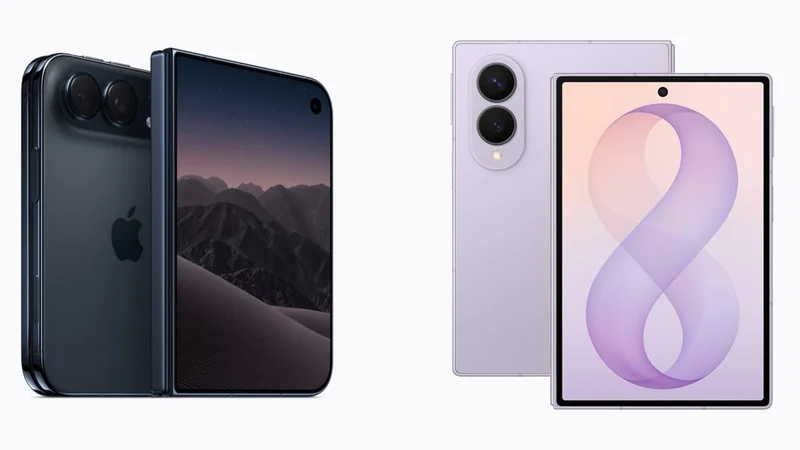
Apple has officially announced its first foldable device, the iPhone Duo, featuring dual screens, a Touch ID power button, and a starting price of $1,999.