Google TV Streamer Sequel Highlights Smart Home Strategy Challenges
Recent news of an upcoming Google TV Streamer sequel sheds light on a broader pattern of sporadic updates and shifting strategies across Google's smart home hardware ecosystem.
 Radwan AbdulhadiEditor and technology writer
Next-Gen Streaming Hardware in Development
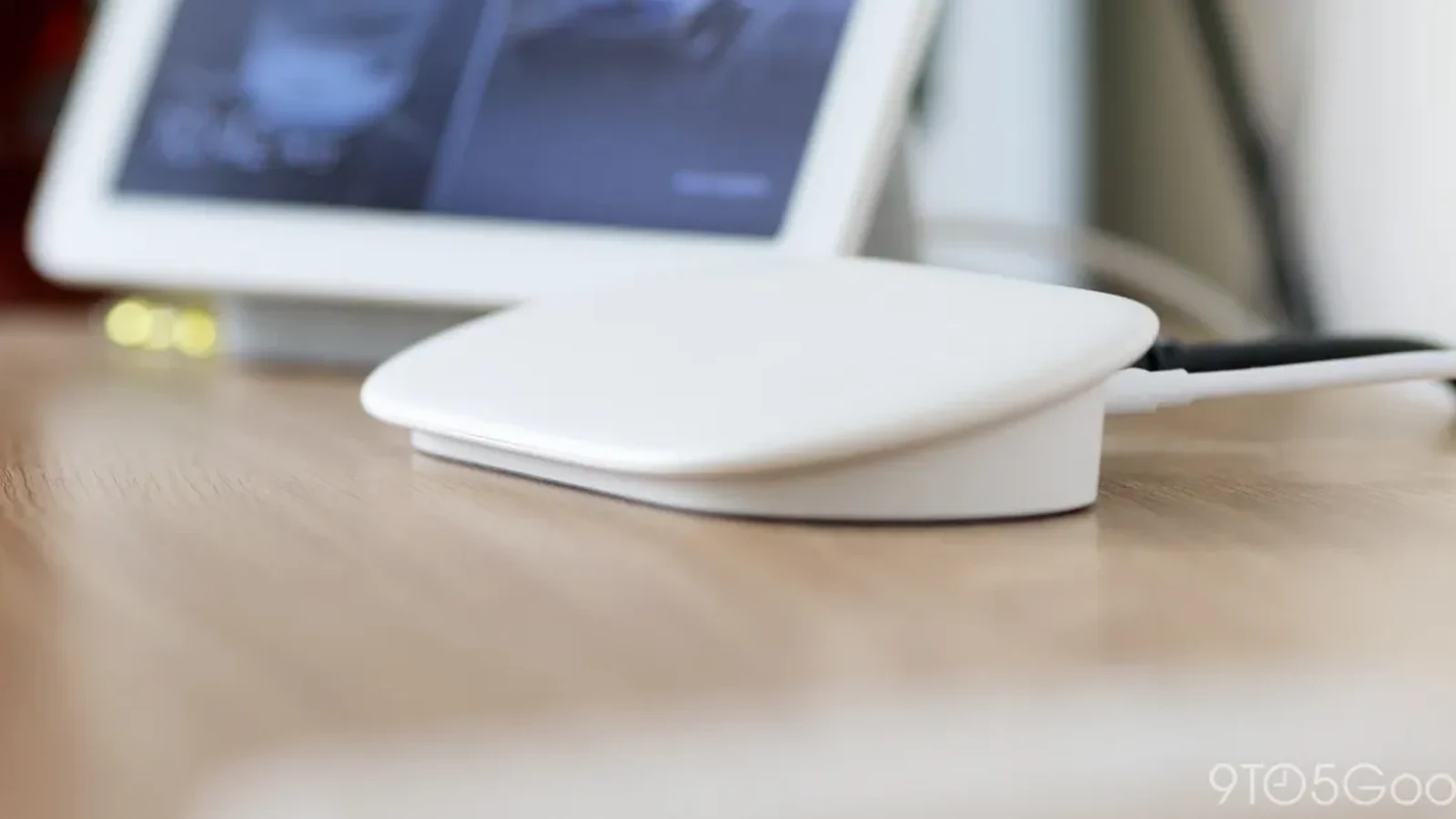
Recent reports have revealed that a next-gen Google TV Streamer is in the works, arriving as part of the company's ongoing hardware pipeline. The upcoming streaming device appears similar on paper to its predecessor, though it introduces several notable hardware additions, including far-field microphones, presence sensing, and a redesigned remote.
Despite the incoming streaming hardware refresh, industry observers note that Google's broader smart home efforts have historically felt sporadic and unpredictable. Following a notable reboot of the Nest camera lineup in 2021, the company's first-party smart home ecosystem experienced prolonged periods of silence punctuated only by occasional new cameras, streaming devices, and a new audio speaker launched earlier this year.
Ecosystem Priorities and First-Party Lags
Critics and users of the ecosystem argue that Google should be prioritizing other areas of its smart home lineup. The Nest cameras introduced in 2021 remain in need of comprehensive refreshes, and while 2K updates for wired cameras have rolled out, battery-powered models have not seen the same quality enhancements.
Furthermore, devices like the Nest Hub Max are viewed as overdue for updates, with some arguing that refreshing smart displays should have taken precedence over releasing a new standalone audio speaker. Although Google Home has successfully expanded its third-party device ecosystem, observers point to a lack of tight integration between first-party hardware and external devices to bridge the gap effectively.
Intensifying Smart Home Competition
The timing of the upcoming streaming device coincides with aggressive moves from competitors in the smart home space. Apple is making a substantial play with new hardware initiatives, including the upcoming “HomePad” smart display and strategic partnerships with brands like LG to deliver hardware featuring deep second-party integration.
While Google Home has integrated select third-party products—such as Walmart cameras, Yale smart locks, and First Alert smoke alarms—analysts suggest there remains substantial room to expand deep hardware integrations similar to rival ecosystems.
Broader Ecosystem and Software Updates
Beyond smart home hardware developments, other ecosystem updates are underway across the tech landscape. Amazon recently announced new tablets running Alexa that include the Google Play Store out of the box, shifting away from historical platform limitations.
Concurrently, Google Wallet has rolled out various software enhancements, including support for additional digital state IDs, a stacked card list interface redesign on Android, and upcoming car key support for select General Motors vehicles.
Sources
- 9to5GoogleGoogle TV Streamer’s sequel showcases a struggling smart home
Continue chronologically
Related entity coverage
Related stories
Amazon October Prime Day Deals Guide Highlights Tech Sales
Explore the best October Prime Day deals featured in the guide by The Verge, covering laptops, mobile devices, and popular consumer electronics.
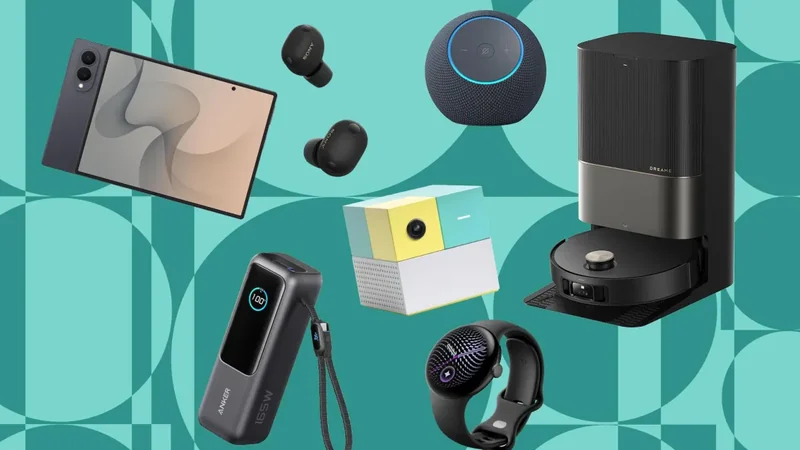
October Prime Day Tech Deals Highlight Apple, Sony, and Google Gear
Explore the top October Prime Day tech deals featuring major discounts on Apple, Sony, Google, and alternative retailers offering savings on gadgets.
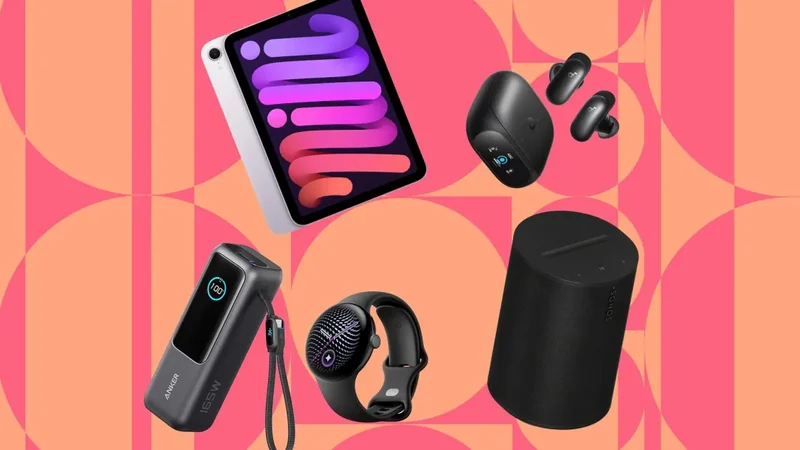
Apple Partners With LG for New Smart Home Devices
Apple is reportedly partnering with LG to develop a new line of smart home devices, including a smart lock, thermostat, doorbell, and cameras.
Amazon Prime Day Wearable Deals Feature Apple, Google, Samsung
Explore the best Amazon Prime Day wearable deals on smartwatches and fitness trackers from Apple, Google, Samsung, and more before the sale ends.