Data Centers Emerge as Major Issue Ahead of Midterms
Artificial intelligence infrastructure and data centers have rapidly transformed from niche tech topics into major political issues ahead of the midterm elections.
 Radwan AbdulhadiEditor and technology writer

Midterm Conversations Dominated by Infrastructure
At a midterm election event held in a Brooklyn warehouse and hosted by media company Newsreel, discussions consistently shifted toward artificial intelligence and its physical footprint. While the lineup featured panels on attention spans and midterm forecasts, the primary topic consuming attendees was the growing backlash against rapid technocracy.
Outside the technology sector bubble, data centers and AI have evolved into intense ballot-box concerns that could potentially sway some midterm races. Observers note a growing chasm between optimistic tech builders and everyday citizens who view the rapid expansion of these facilities with deep skepticism.
Economic Stalls and Regulatory Pushback
Political and community opposition is already impacting infrastructure development across the country. A report from Data Center Watch indicated that nearly $200 billion worth of data center projects were delayed, stalled, or blocked during the first half of 2026.
At the same time, states including Virginia, Pennsylvania, Georgia, Texas, and New York are considering increased transparency and stricter guardrails. Virginia, often referred to as the data center capital of the world, faces hundreds of proposed new facilities as communities push back against the development pace.
Political Accountability and Public Concerns
During a fireside chat at the Brooklyn event, New York City Council member Chi Ossé emphasized the need for greater tech executive accountability. Ossé suggested that technology leaders whose systems carry massive societal implications should be called to testify before Congress.
A subsequent panel featuring human rights researcher Maia Woluchem and environmental advocate Hilary Flint addressed community grievances. Discussions highlighted public frustration over secret agreements between tech companies and local officials, as well as zoning rules that often leave residents unaware of projects until it is too late to voice opposition.
Labor Perspectives and Community Discontent
Subsequent panel discussions touching on the future of the Democratic Party quickly reverted to infrastructure concerns. NewsNation host Batya Ungar-Sargon noted that while some labor unions support data centers for initial job creation, studies indicate that these employment opportunities are largely temporary once construction concludes.
Political figures and commentators emphasized the lack of public consent surrounding these developments. Critics argued that institutional powers historically responsible for reducing working-class union jobs are now returning to build massive data centers that alter local landscapes without community buy-in.
Voter Focus on Wealth and Representation
Newsreel founder Jack Brewster noted that AI and data centers emerged as prominent topics both on stage and in audience RSVP questions. According to Brewster, while rural community backlash focuses heavily on feeling replaced, urban voters in areas like Brooklyn are primarily concerned with questions of economic inequality and who profits from technological advancement.
Sources
- TechCrunchData centers are now a midterm issue, even in Brooklyn
Continue chronologically


Related stories
OpenAI Explores Data Center Rebrand to AI Compute Campuses
OpenAI prepares a post-midterm PR campaign and considers rebranding data centers to AI compute campuses amid political shifts.
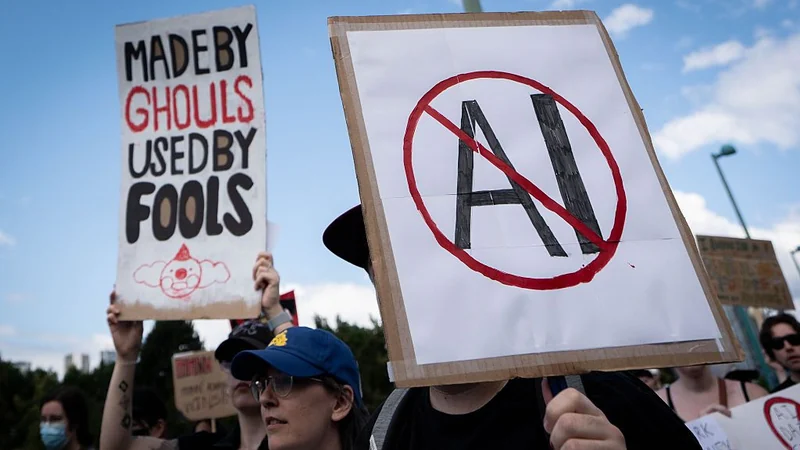
Trump’s Data Center Push Clashes With MAGA Base Opposition
Donald Trump’s support for AI data centers faces backlash from Republican voters and MAGA supporters who oppose expansion, per WIRED analysis.

New York Data Centers Spark Tensions and Policy Dilemmas
Examine what Democrats can learn from New York's data center moratorium as digital infrastructure concerns shape midterm races.
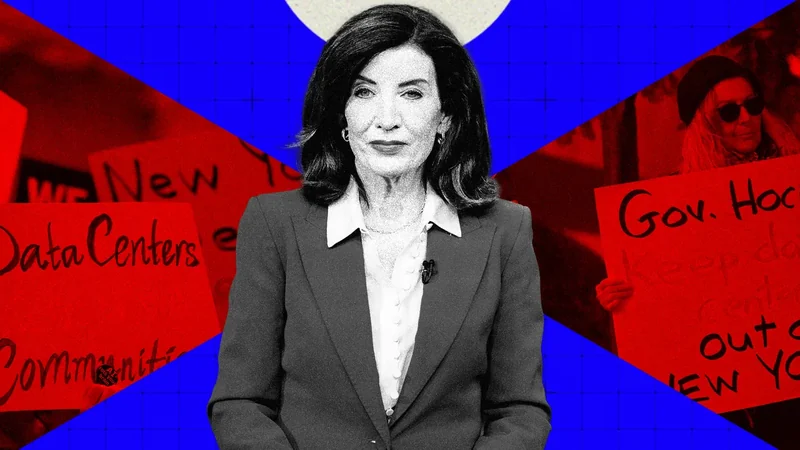
Democrats See AI Regulation as a Potential Midterm Edge
As polls predict potential midterm shifts, Democrats are positioning themselves to leverage voter concerns over AI regulation and industry ties.