NVIDIA Unveils RTX Spark SoC to Power Windows AI PCs
NVIDIA and Microsoft have introduced the RTX Spark system-on-a-chip, aiming to bring high-performance Arm processing and Blackwell graphics to Windows laptops.
 Radwan AbdulhadiEditor and technology writer
Introduction to RTX Spark
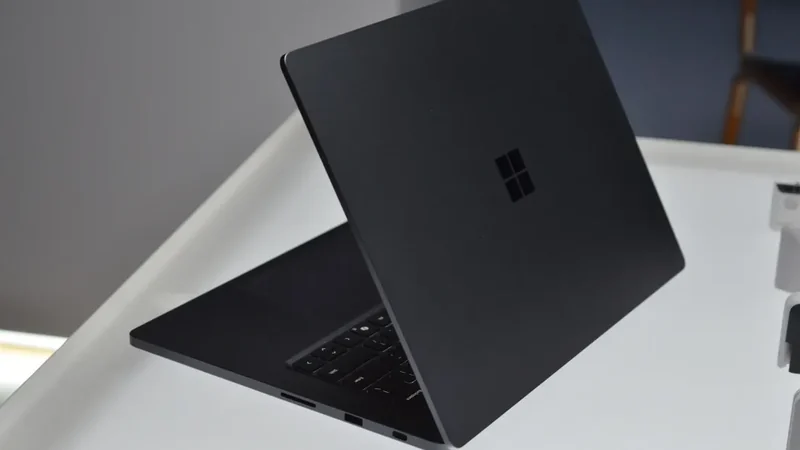
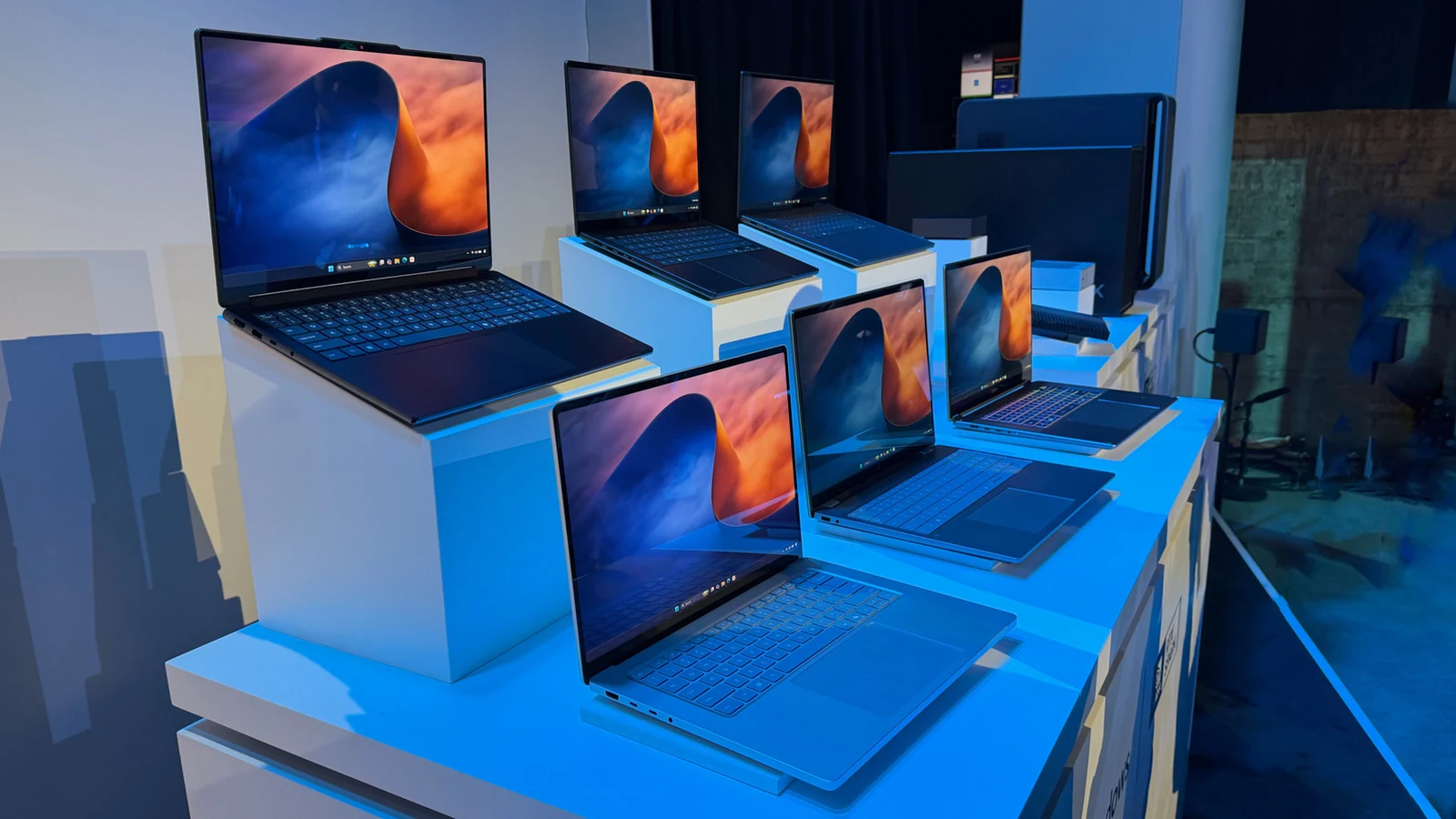
Microsoft and NVIDIA have introduced a new hardware platform called RTX Spark, a system-on-a-chip designed to power upcoming devices like the Surface Laptop Ultra and other mobile computers. First revealed after the chip was announced at Computex, the new architecture marks a significant step for Windows systems by integrating powerful Arm-based CPUs with advanced graphics capabilities on a single piece of silicon.
Industry observers have noted that RTX Spark is clearly a response to Apple Silicon, mirroring the architectural approach of combining efficient Arm processing cores with integrated graphics and fast unified memory. While earlier Qualcomm processors targeted the lower and middle tiers of portable computers, NVIDIA's hardware addresses the demanding high-end segment.
Hardware Specifications and Efficiency
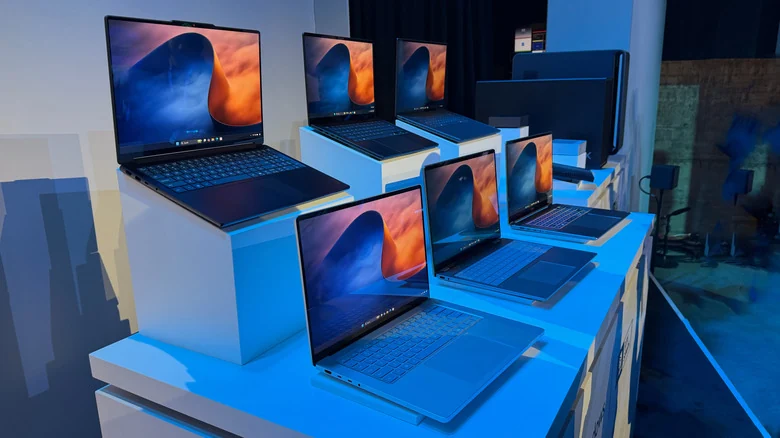
The flagship RTX Spark configuration features up to 20 NVIDIA Grace Arm CPU cores split evenly between 10 performance cores and 10 efficiency cores. Graphics are handled by a Blackwell GPU packing up to 6,144 CUDA cores, supported by up to 128GB of LPDDR5x unified memory operating at 9,400 Mbps. A slightly scaled-down variant offers 18 CPU cores and 5,120 GPU cores.
In addition to core processing units, the architecture incorporates fifth-generation tensor cores, fourth-generation ray tracing engines, and a dedicated Blackwell video engine with support for advanced AV1 and 4:2:2 codecs. NVIDIA claims this dense hardware layout achieves high efficiency during intensive tasks, allowing portable devices to maintain strong performance while operating on battery power.
Local AI Capabilities and Software Support
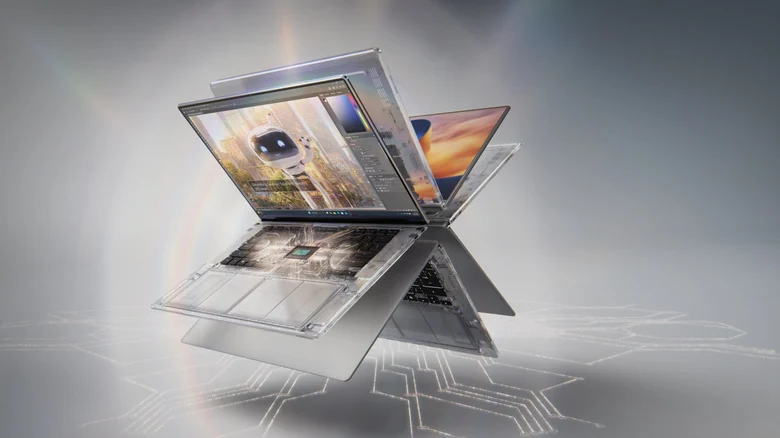
A primary objective behind the RTX Spark platform is enabling local artificial intelligence operations on laptops. With its substantial pool of unified memory, the hardware accommodates large local AI models, potentially reducing reliance on cloud infrastructure for developers and researchers. This aligns with broader industry movements, as Microsoft is adding more support in Windows 11 for native tools and agentic software frameworks.
Software vendors are also adapting to the architecture. Adobe is re-architecting applications like Photoshop and Premiere specifically for NVIDIA's platform, providing hardware acceleration for creative professionals working across demanding media workflows.
Gaming and Content Creation Performance
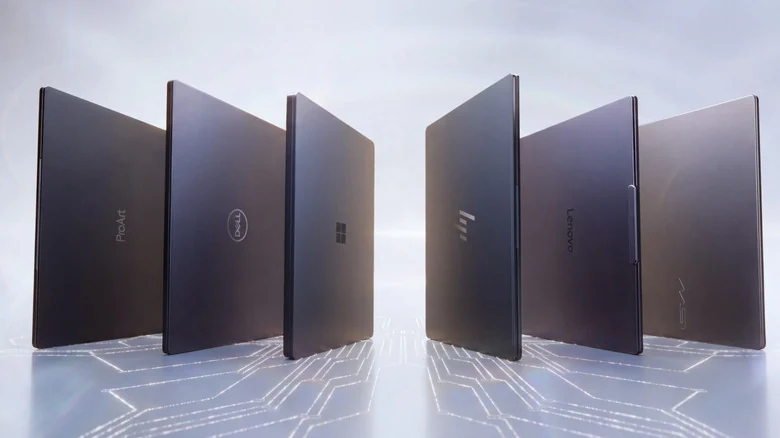
Beyond AI workflows, the integration of Blackwell graphics brings modern gaming features to the Arm-based platform, including support for DLSS 5 and hardware-accelerated ray tracing. NVIDIA indicates that system performance will rival dedicated configurations like laptops equipped with an RTX 5070 GPU, targeting 1440p gaming resolutions.
Because the platform relies on an Arm instruction set, it utilizes emulation layers like Microsoft's Prism emulator to handle x86 software titles. While major games such as Gears of War: E-Day and Control Resonant are slated for launch support, analysts suggest that traditional x86 systems with dedicated graphics cards remain the safer choice for dedicated gamers seeking to avoid potential emulation hurdles.
Pricing and Market Availability
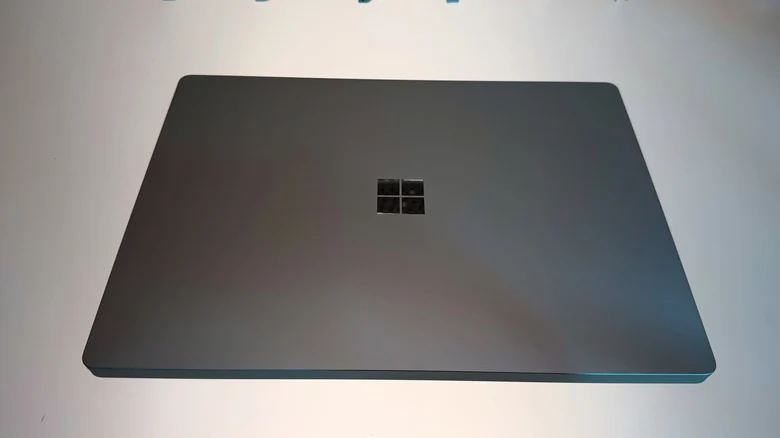
The RTX Spark platform is aimed primarily at developers, researchers, and power users rather than casual consumers. Base pricing begins at $2,600 for configurations featuring the 18-core chip, while the full-powered 20-core variant scales significantly higher. Fully equipped systems featuring 128GB of unified memory, such as the Surface Laptop Ultra, command top-tier pricing in the professional computing market.
Sources
- EngadgetNVIDIA's RTX Spark is good for Windows, even if you don't need local AI
Continue chronologically

Related entity coverage
Related stories
Microsoft and Nvidia Launch Surface Laptop Ultra
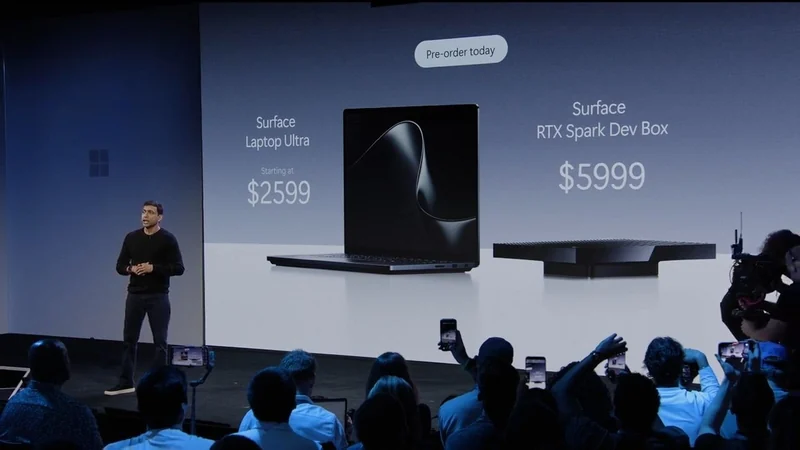
Microsoft and Nvidia have debuted the Surface Laptop Ultra powered by the new RTX Spark chip, starting at $2,599 alongside pre-orders and new Windows 11 AI updates.
Microsoft Announces Surface Laptop Ultra With Nvidia RTX Spark Chip
Microsoft revealed release details and pricing for the Surface Laptop Ultra, alongside new Windows updates and developer hardware at its San Francisco event.
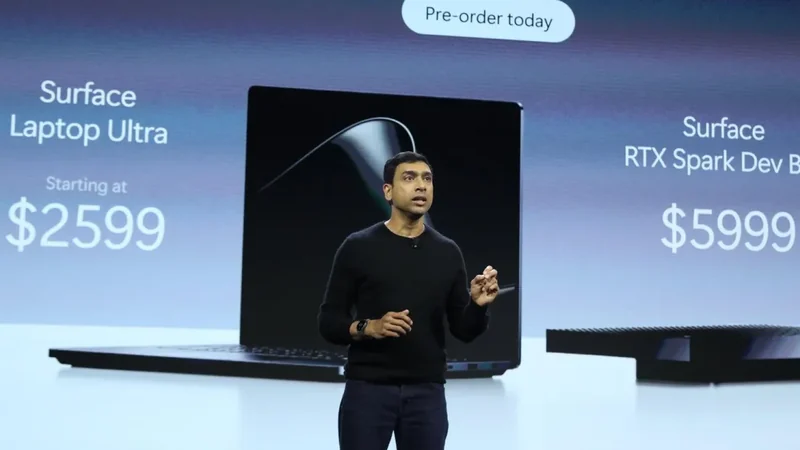
Microsoft Reveals Surface Laptop Ultra With NVIDIA RTX Spark
Microsoft introduces the Surface Laptop Ultra, a powerful premium device powered by NVIDIA's RTX Spark starting at $2,599 for developers and power users.
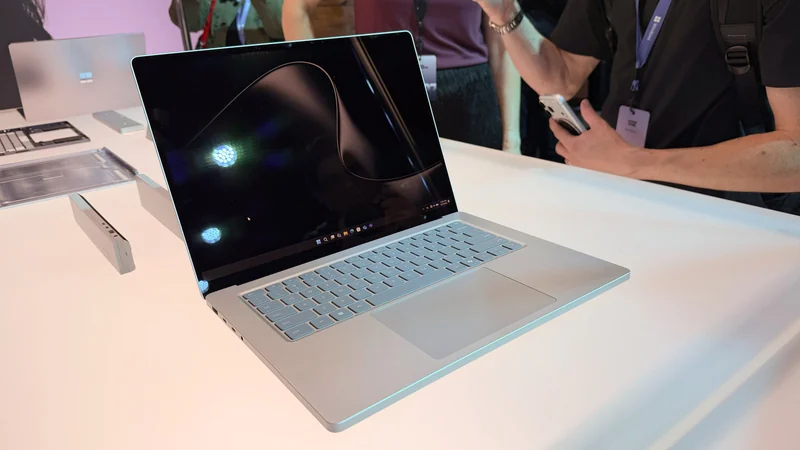
Microsoft Surface Laptop Ultra Launches October 16 at $2,599
Microsoft announces the release date and pricing for the Nvidia RTX Spark-equipped Surface Laptop Ultra, starting at $2,599.