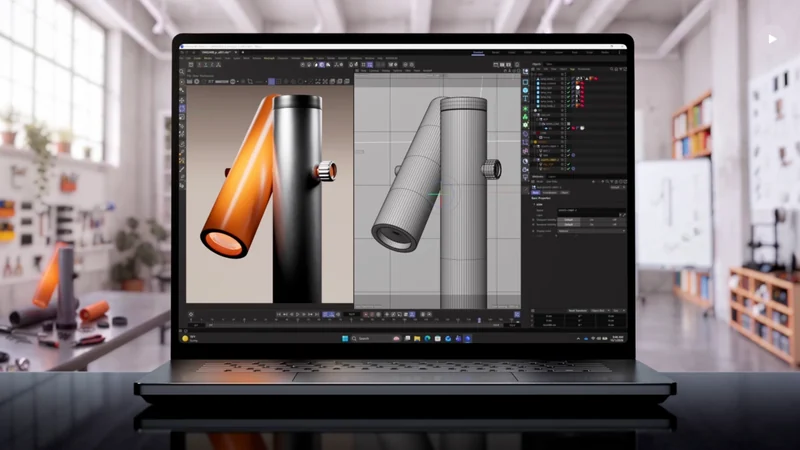
Optimizing Windows for Nvidia’s New RTX Spark Laptops
Microsoft and Nvidia have detailed extensive optimizations to prepare the Windows operating system for the newly launched RTX Spark platform.
 Radwan AbdulhadiEditor and technology writer
Bringing the RTX Spark Platform to Windows
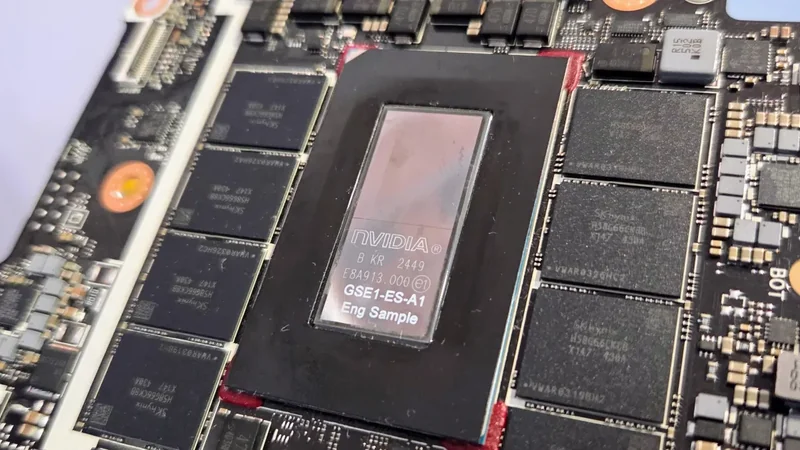
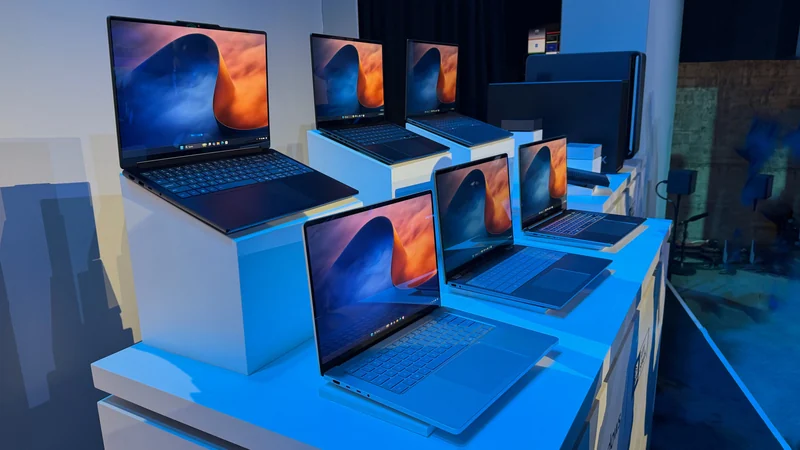
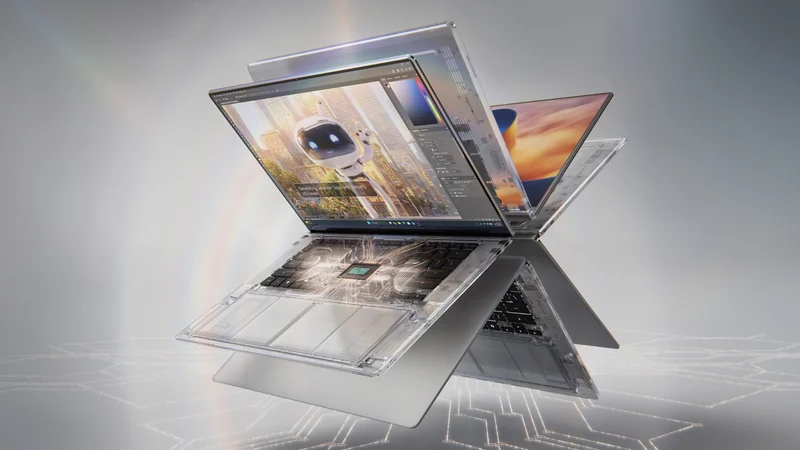
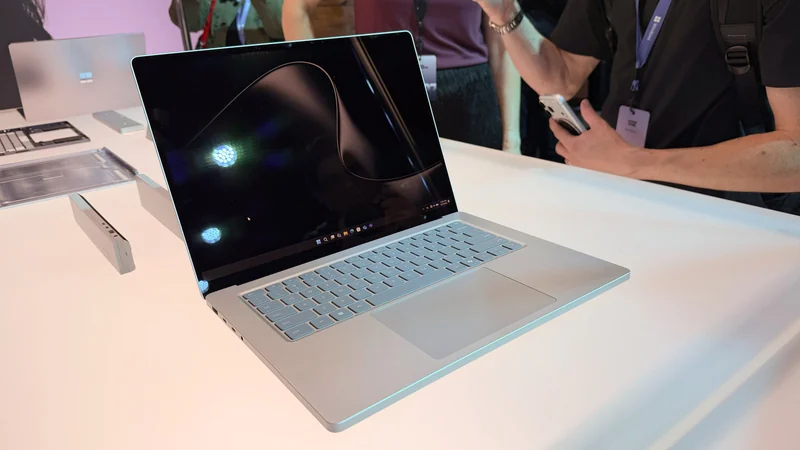
Microsoft and Nvidia recently showcased the first wave of RTX Spark laptops during a launch event in San Francisco, introducing a new tier of AI-focused personal computers. While these devices resemble standard Windows machines, their internal architecture relies on Arm-based chips rather than traditional x64 processors from AMD and Intel. Paired with advanced GPUs, the RTX Spark platform has required substantial engineering collaboration between Microsoft and Nvidia to ensure seamless performance for launch. Further details are available from The Verge in the original source material.
A central focus for the platform is supporting local artificial intelligence models and AI agents. According to Microsoft representatives, users will encounter a new Get Started experience upon booting an RTX Spark laptop for the first time, enabling them to discover, install, and launch desired AI agents in just two clicks. These agents are managed directly through the Windows Store to streamline updates and dependencies.
Local AI Agents and Software Ecosystem
At launch, Windows provides official support for three primary AI agents on RTX Spark hardware: Hermes, Perplexity, and OpenClaw. Microsoft is actively working to onboard additional options, which will presumably incorporate future integrations such as Muse, which Meta announced last week is coming to Windows at some point in the future.
While local models provide enhanced privacy and offline functionality, testers note that large local models currently respond more slowly than cloud-based alternatives. Consequently, many users may choose to leverage local hardware for background processing or overnight tasks rather than immediate interactive queries.
App Emulation and Microarchitecture Tuning
To ensure traditional software runs smoothly on Arm architecture, RTX Spark laptops incorporate Microsoft’s Prism emulator for applications lacking native Arm versions. Although Windows on Arm emulation has evolved significantly since the introduction of Qualcomm’s Snapdragon X series, translating x64 instructions requires specific platform tuning. Microsoft engineers have heavily optimized the translation layer to fit the unique microarchitecture of Nvidia’s new chips.
Beyond general application compatibility, these emulation updates directly benefit gaming performance. Because CPU performance heavily dictates frame pacing and overall responsiveness, monthly updates to the Prism software aim to continually refine translation accuracy and maintain high performance across diverse software titles.
Unified Memory Architecture and Resource Allocation
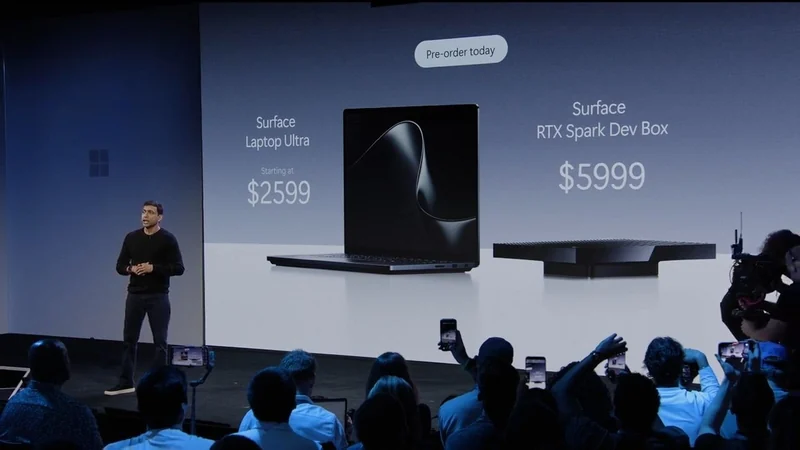
Memory management plays a crucial role in the RTX Spark platform, particularly on high-end configurations like the Microsoft Surface Laptop Ultra, which can feature up to 128GB of unified memory. Microsoft has invested heavily in optimizing the Unified Memory Architecture to load massive models efficiently while simultaneously reserving enough system overhead to maintain overall operating system responsiveness.
For configurations with 24GB or 32GB of unified memory, users can manually adjust memory allocation using a dedicated slider inside Nvidia’s Windows application. This feature allows individuals to dedicate more memory to the GPU when running demanding applications or playing modern games.
Gaming Capabilities and Anti-Cheat Support
Although neither Microsoft nor Nvidia markets RTX Spark laptops strictly as dedicated gaming machines, the hardware is fully capable of running modern AAA titles. A major hurdle in bringing gaming to Windows on Arm involved securing compatibility with major anti-cheat vendors. Popular titles including Fortnite, Marvel Rivals, Arc Raiders, Counter-Strike 2, and Dota 2 support the platform out of the box.
Additional anti-cheat integrations are slated for rollout over the coming months. Activision’s Ricochet engine for Call of Duty and EA’s Javelin engine for Battlefield are scheduled to support RTX Spark in early 2027. Furthermore, PUBG support is planned for the first half of 2027, while Riot Games has committed to bringing League of Legends and Valorant to the platform in the future.
Advanced Shader Delivery for Quick Launch
To further streamline the gaming experience, Microsoft is extending its advanced shader delivery system to RTX Spark laptops. This feature allows the Xbox app to automatically precompile and preload game shaders during the download process, eliminating the typical wait times often experienced upon launching a newly downloaded game for the first time.
Sources
- The VergeHow Windows is being optimized for Nvidia’s RTX Spark laptops
Continue chronologically
Related entity coverage
Related stories
NVIDIA and Microsoft Launch RTX Spark and AI Agents for PCs
NVIDIA and Microsoft have teamed up to introduce RTX Spark and Windows AI agents, bringing high-performance local AI computing directly to Windows PCs.
Microsoft Reveals Surface Laptop Ultra With NVIDIA RTX Spark
Microsoft introduces the Surface Laptop Ultra, a powerful premium device powered by NVIDIA's RTX Spark starting at $2,599 for developers and power users.
Microsoft and Nvidia Launch Surface Laptop Ultra
Microsoft and Nvidia have debuted the Surface Laptop Ultra powered by the new RTX Spark chip, starting at $2,599 alongside pre-orders and new Windows 11 AI updates.
Microsoft Launches Surface Laptop Ultra with Nvidia RTX Spark
Microsoft unveils the Surface Laptop Ultra and Dev Box, powered by Nvidia RTX Spark chips and a revamped Windows 11 featuring Execution Containers.