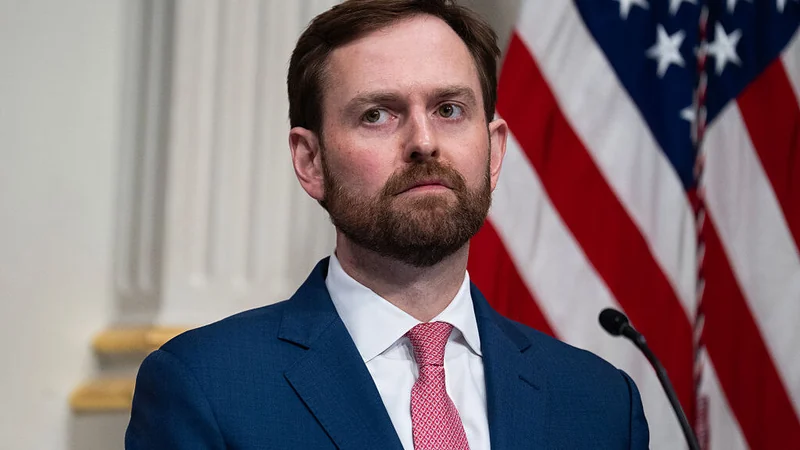
New York Rep. Torres Introduces Power To The Players Act
New York Representative Ritchie Torres has introduced new legislation aimed at transforming video game consumer rights by mandating actual product ownership and offline accessibility.
 Radwan AbdulhadiEditor and technology writer
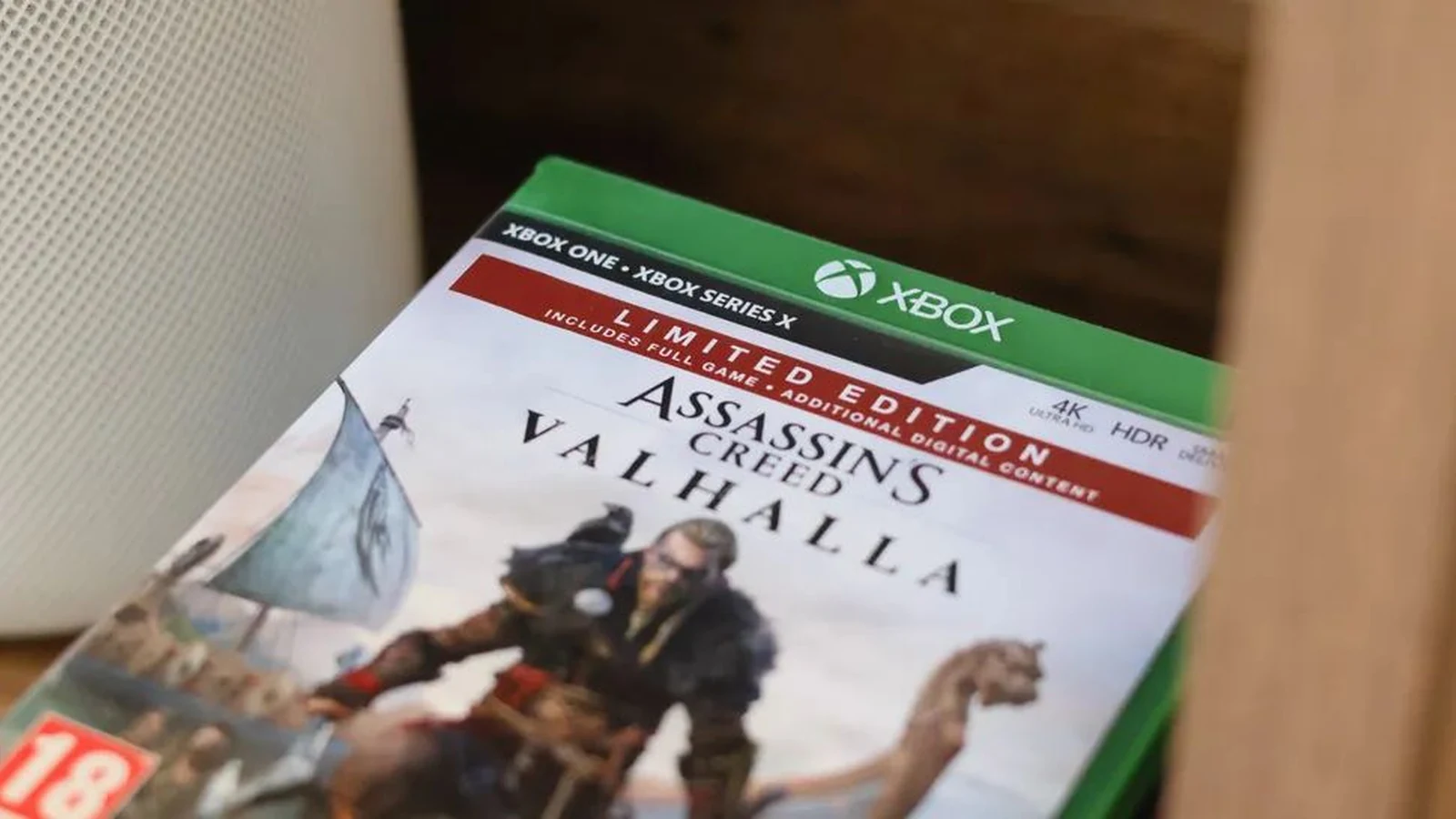
Targeting Revocable Licenses and Server Closures
Representative Ritchie Torres of New York's 15th congressional district has officially introduced the Power To The Players Act . The newly proposed legislation seeks to protect video game consumers by directing the Federal Trade Commission (FTC) to establish comprehensive regulations governing game ownership, effectively pushing back against anti-consumer business practices that have dominated the industry for years.
Under the terms of the proposed bill, purchasing a video game would grant the consumer direct ownership of the product rather than a mere license to play it. Furthermore, games relying on online functionality would be legally required to provide an offline mode before the underlying servers supporting them are permanently shut down by the publisher.
Growing Legislative Backlash Against Digital Expiration
The introduction of this bill addresses growing global frustration over games carrying expiration dates despite rising consumer costs, alongside aggressive monetization tactics. Rep. Torres is not alone in fighting for gamer rights; Pennsylvania state senator John Kane previously introduced the Protect Our Games Act , which requires publishers to supply an offline mode, community servers, or a minimum 25 percent refund when shutting down digital titles.
Industry practices have increasingly come under fire following high-profile incidents. For instance, Ubisoft shut down its online-only racing title The Crew in 2024 for server upkeep, rendering it entirely unplayable even for recent purchasers because no offline mode or community server options were available. Similarly, sports franchises from major publishers like EA, 2K, and Sony have faced scrutiny, with Rep. Torres specifically highlighting NBA 2K25 as an example of a game being pulled from digital storefronts and having its servers deactivated just two years after release.
The Debate Over Digital Ownership and Industry Defense
The debate over digital rights often highlights a stark contrast between consumer expectations and corporate legal positions. While players generally assume that clicking a 'purchase' button secures a permanent copy of a game, platform holders have argued otherwise. In ongoing class-action litigation, Sony's legal representatives asserted that consumers purchasing digital titles are acquiring a revocable license rather than a durable, permanent right to use the software.
This corporate stance has fueled broader consumer movements, such as the Stop Killing Games campaign, which emerged in response to the shutdown of titles like The Crew. The movement campaigns for mandatory offline modes, peer-to-peer patches, and community server hosting capabilities so that players retain access to software they paid for after official support ceases.
Future Outlook and Legislative Execution
While concrete definitions and fine details of the Power To The Players Act are still pending release, the overarching goal remains clear: forcing publishers to provide operational offline alternatives and definitive consumer ownership over revocable licenses. It remains to be seen whether the right to transfer games mentioned by Rep. Torres will extend to digital copies or remain primarily relevant to physical media formats.
As lawmakers and advocacy groups continue to push for structural changes in software sales, the outcome of these bills could reshape how digital goods are distributed and maintained across the United States. Observers and players alike will be closely watching to see how federal and state regulators address the legal definitions surrounding digital software ownership.
Sources
- Tom's HardwareNew York rep announces game ownership bill that would require consumer ownership rather than sale of licenses
Continue chronologically
Related stories
New Bill Introduced in Congress Targeting Video Game Ownership
A newly introduced bill in the US Congress seeks to ensure that consumers truly own the video games they purchase instead of holding temporary licenses.
How to Tell If Your Smart TV Has a Built-in Camera
Learn how to check if your smart TV has a built-in camera, how to inspect the frame for lenses, and how to disable or cover it for privacy.

FTC Subpoenas OpenAI and Anthropic Over Safety Failures
The US Federal Trade Commission has issued civil subpoenas to OpenAI and Anthropic to investigate potential consumer protection violations.
FTC Probes OpenAI and Anthropic Over AI Safety Incidents
The FTC has launched an official probe into OpenAI and Anthropic following safety incidents, requesting detailed information regarding consumer harms.