Ai2 Overhauls GPU Cluster Scheduler for AI Research
The AI Infrastructure team at Ai2 has replaced its traditional priority-based scheduler with a transparent administrative budgeting process to better manage large-scale GPU clusters.
 Radwan AbdulhadiEditor and technology writer

Navigating GPU Compute Demand
The AI Infrastructure team at <A Hugging Face Blog link target is available here: allenai> manages thousands of high-performance NVIDIA accelerators, including H100, B200, and B300 GPUs, arranged into clusters ranging from 88 to 1024 units. These hardware configurations support approximately 150 internal researchers working across diverse artificial intelligence domains.
Workloads span the complete model flow of large language model and vision-language model training, robotics reinforcement learning simulation, and post-training for scientific agentic use cases. According to details shared on the <Hugging Face Blog link target can be utilized: Hugging Face Blog>, aggregate demand consistently outstrips available supply by a factor of two to three.
Addressing Limitations of Priority-Based Schedulers
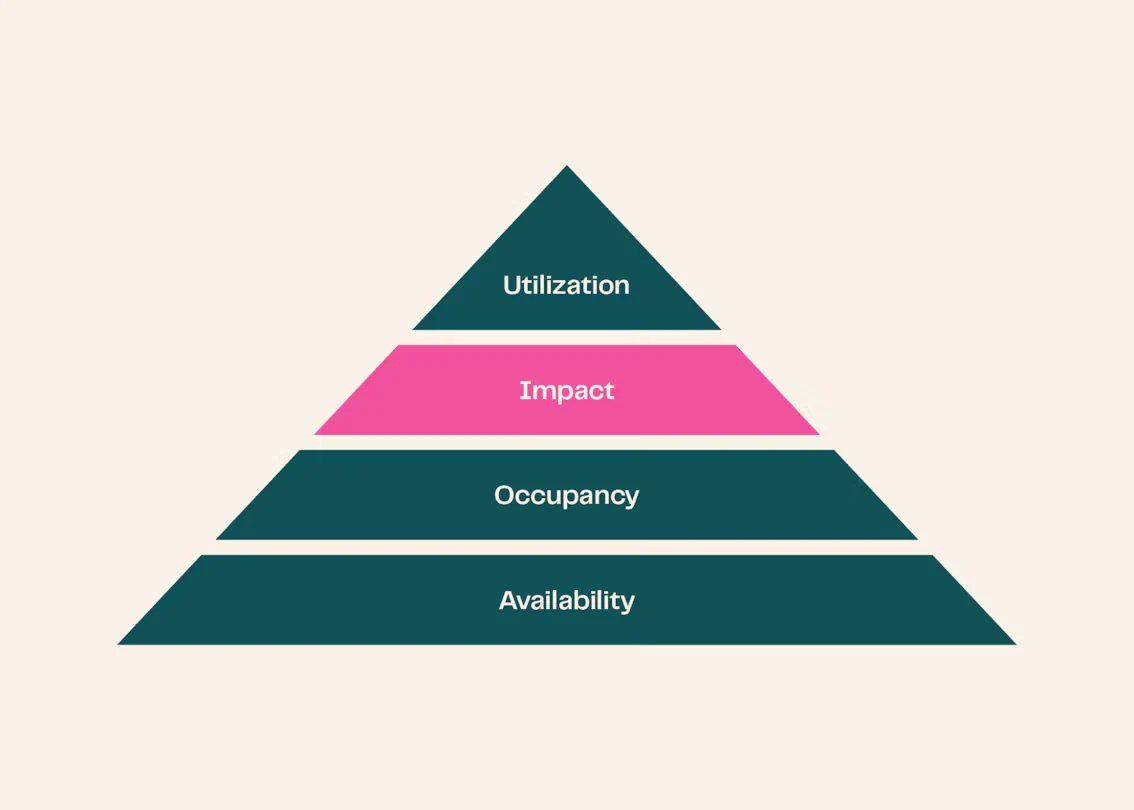
Historically, the infrastructure relied on a priority-based scheduling model that permitted workloads to opt out of preemptibility under concurrent GPU limits. This architecture introduced predictable operational pathologies, such as GPU squatting, where researchers parked no-op workloads to maintain immediate debugging access.
Over time, the system also experienced severe priority inflation, eventually resulting in 100% of scheduled workloads operating at high priority and starving lower priority tiers. These resource allocation challenges closely mirror the economic concepts explored in foundational scheduling studies like <Dominant Resource Fairness link target is available: Dominant Resource Fairness>, where individuals compete over scarce shared resources.
Moving Past Static Resource Monopolies
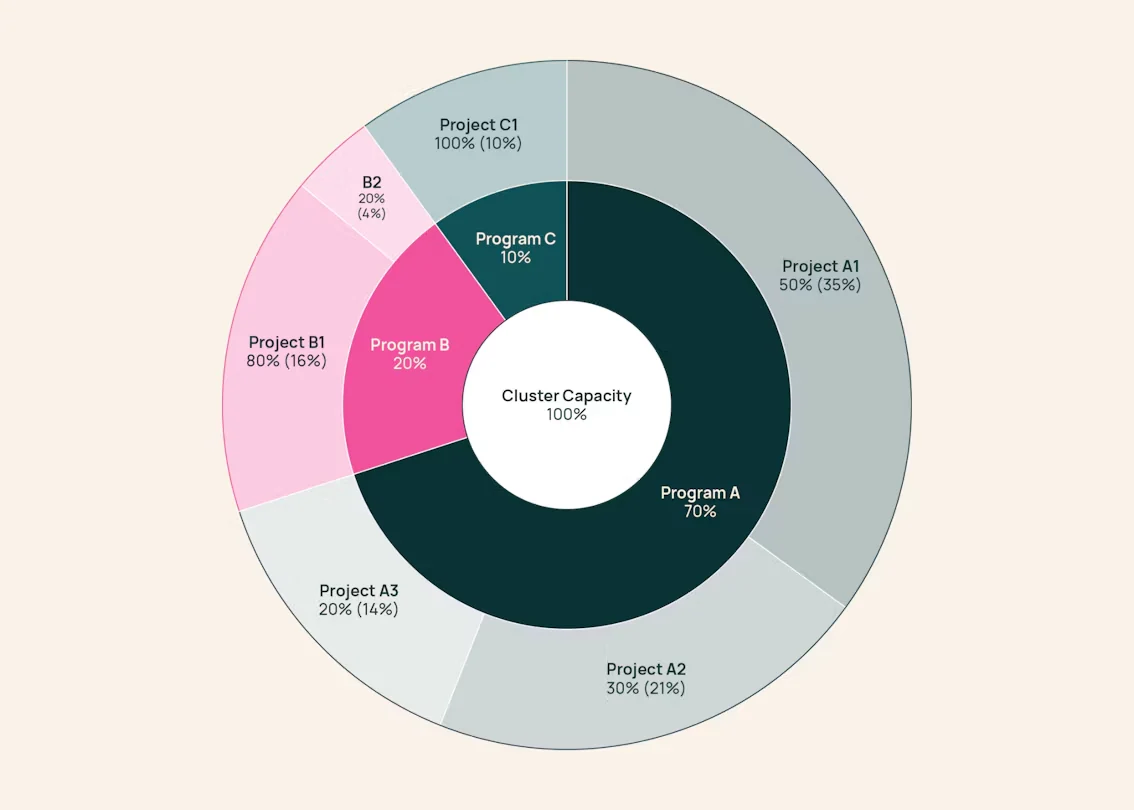
Initial attempts to resolve scheduling friction involved assigning explicit GPU monopolies to critical projects. However, because research demands fluctuate due to seasonality, static allocations frequently left hardware sitting idle while other teams awaited capacity.
Managing these dynamic research requirements within static schedules essentially mirrors the computational challenges found in resolving a classic <knapsack problem link target is available: knapsack problem>. Rather than attempting to solve the scheduling puzzle via manual static partitions, the team sought an approach that combined ownership incentives with full hardware occupancy.
Implementing Time Budgets and Hierarchical Allocation
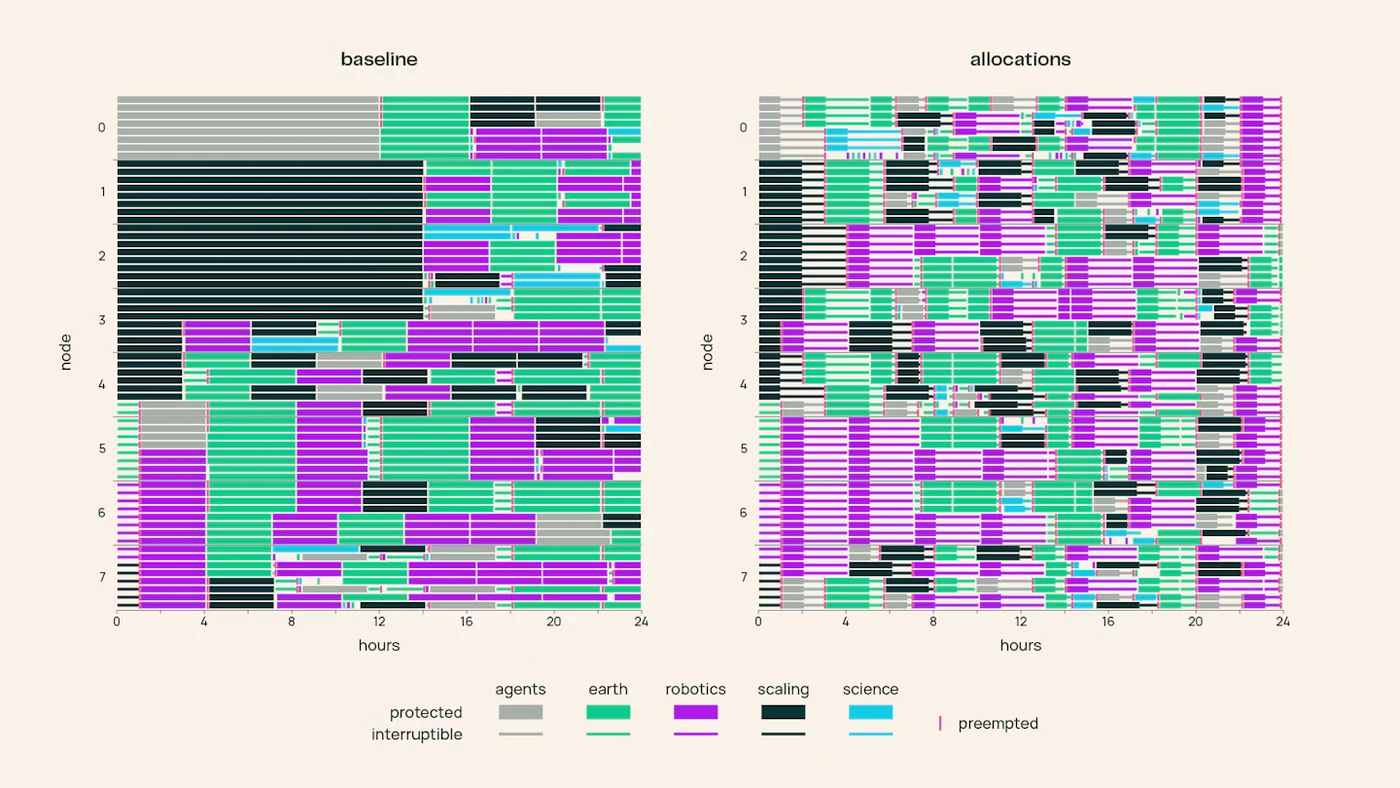
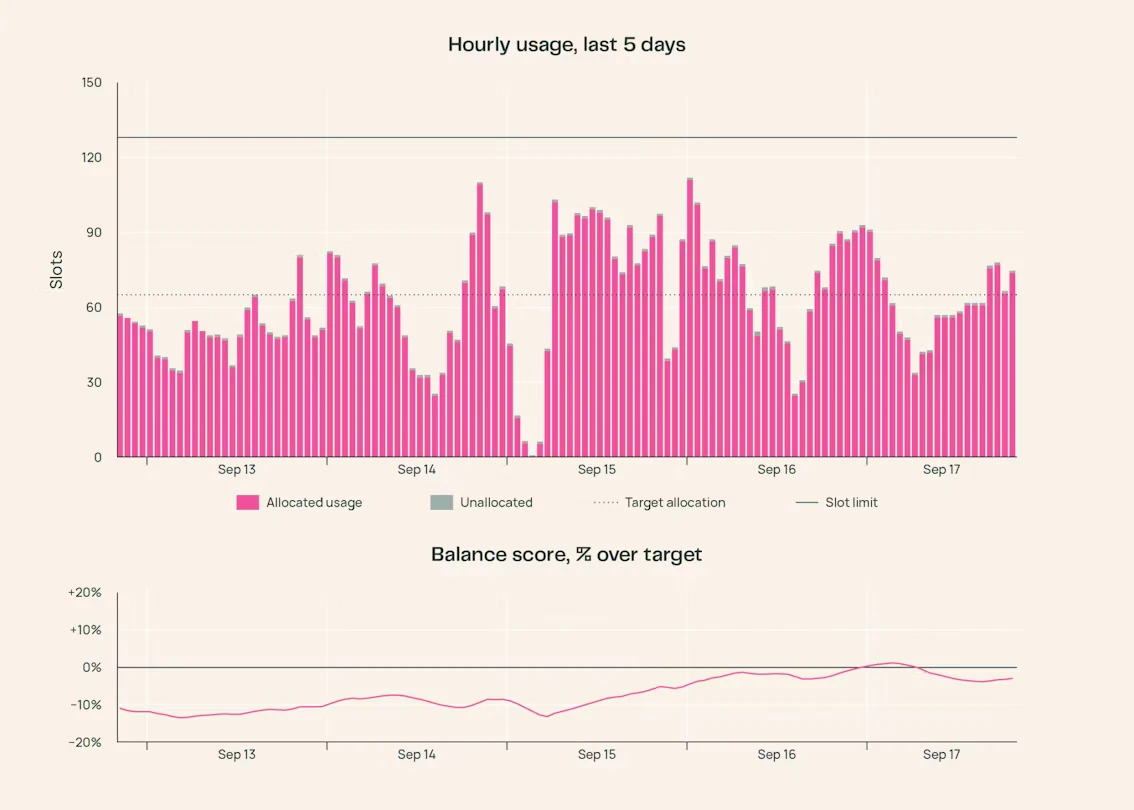
The updated scheduling framework shifts the focus from issuing physical GPUs to allocating specific portions of GPU time. This administrative budgeting process allows project leadership to function similarly to investors, assigning guaranteed shares of compute capacity based on strategic impact before workloads are created.
Under this new hierarchical model, any request for GPU compute must be backed by a valid budget to remain protected from preemption, effectively aligning individual project incentives with overall cluster efficiency and mitigating resource gaming.
Sources
- Hugging Face BlogImpactful scheduling for GPU clusters
Continue chronologically


Related entity coverage
Related stories
NVIDIA Launches Kumo Tabular Foundation Models
NVIDIA introduces Kumo Tabular, an open foundation model collection for tabular prediction delivering zero-shot accuracy and efficiency.
NVIDIA Expands Nemotron 3.5 with New Retrieval Models
NVIDIA expands its Nemotron collection with open models for embedding, reranking, and document parsing to enhance enterprise agent workflows.
FairStress Benchmark Measures LLM Demographic Fairness
Discover FairStress, a new benchmark designed to evaluate demographic fairness and hidden asymmetries in large language model decision-making.
NVIDIA Launches Nemotron 3.5 Transcribe and Granary v2
NVIDIA introduces Nemotron 3.5 Transcribe and Granary v2, delivering advanced multilingual transcription, speaker attribution, and promptable audio tools.