Illegal Nvidia B300 GPUs Spotted in China Telecom Network
An Israeli security firm has discovered 32 restricted Nvidia Blackwell Ultra B300 artificial intelligence chips operating within the infrastructure of state-owned provider China Telecom, highlighting ongoing challenges in enforcing export restrictions.
 Radwan AbdulhadiEditor and technology writer
Discovery Within State-Owned Infrastructure
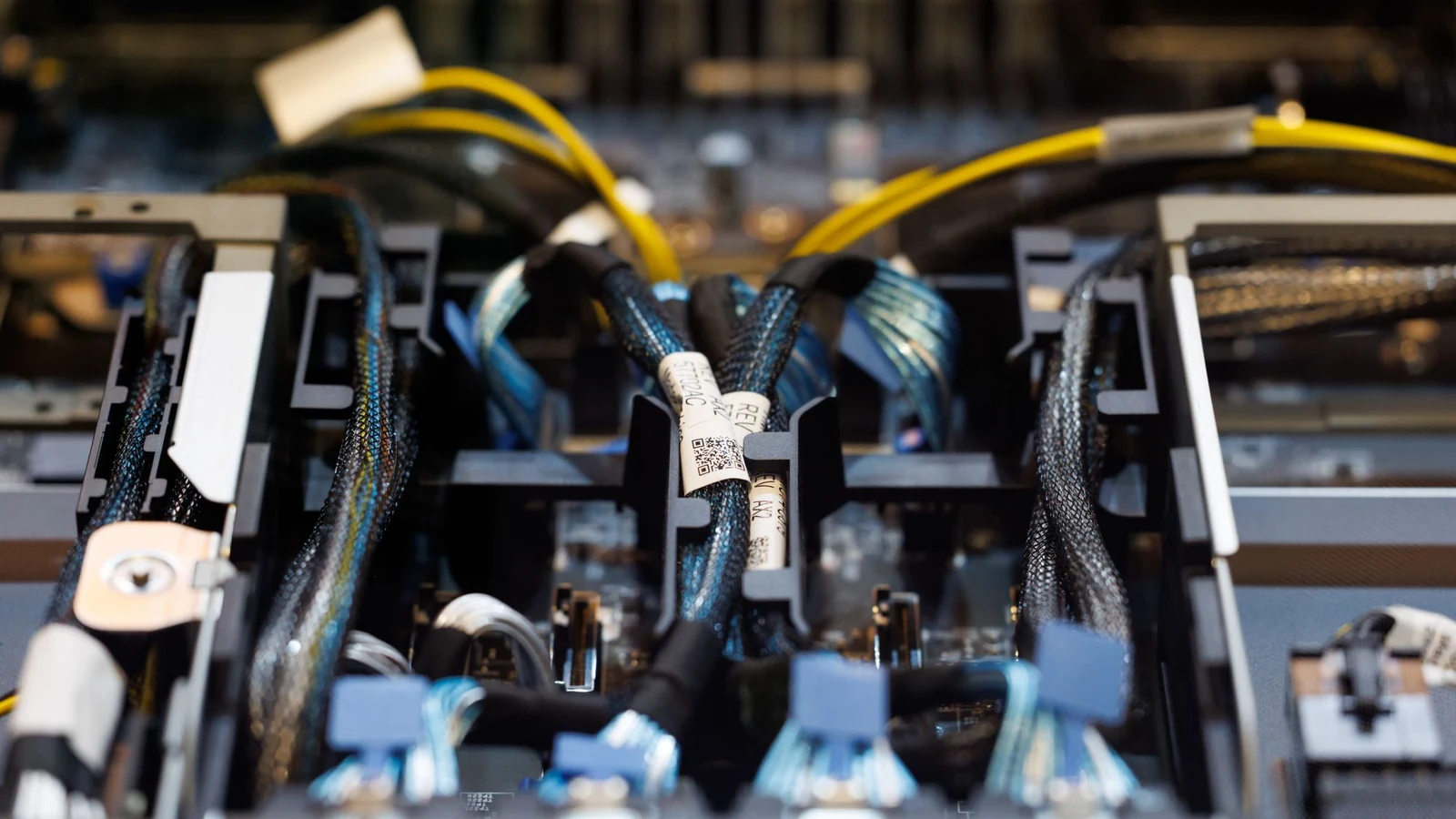
Israeli security firm Lava has successfully identified 32 Nvidia Blackwell Ultra B300 chips operating within the network of China Telecom, a state-owned telecommunications services provider. As noted in a report by The Information, these advanced processors are barred from export under U.S. restrictions, raising questions about how the hardware found its way into a Chinese data center environment.
Under current trade regulations, such high-performance GPUs can only be sold to authorized, whitelisted buyers who formally agree not to transfer or export the hardware to sanctioned parties or regions, including mainland China. Despite these strict federal limitations, high-end silicon continues to find pathways into domestic Chinese infrastructure.
Detection Methods and Unclear Physical Locations
While Lava confirmed the presence of the chips, it remains unclear where the export-barred components are physically located within China Telecom's extensive network infrastructure. The security firm spotted the hardware using Nvidia's own DCGM Exporter tool.
The diagnostic software is typically installed by data center operators to monitor hardware health and performance metrics. Although engineered primarily for internal administrative use, the diagnostic interface can sometimes be accessed beyond the immediate data center perimeter, occasionally operating without required password authentication. Nvidia previously indicated it was developing a specialized tool to pinpoint the physical locations of its chips, though that utility has not yet been released publicly.
High Demand for Blackwell Ultra B300 Architecture
Announced in March of last year, the Blackwell Ultra B300 data center GPU ranks among the most powerful AI processors available. The architecture delivers massive performance improvements, offering 50% more memory capacity and higher FP4 compute capabilities than the preceding B200 generation.
Nvidia originally positioned the processor as built for the age of reasoning, highlighting its capability to run sophisticated artificial intelligence large language models such as DeepSeek R1. The hardware quickly turned into highly sought-after property following its commercial rollout.
Enforcement actions surrounding the hardware have intensified. In August 2026, nine individuals were indicted in Taiwan regarding the illegal export of B300 GPUs to China. That indictment followed internal investigations at Supermicro, which resulted in the termination of several employees over unauthorized smuggling practices involving a Taiwanese server trading firm named Flying Tiget Tech that held official whitelisted status.
Nvidia Downplays the Scale of Chip Smuggling
Responding to the revelation, Nvidia acknowledged the situation while downplaying the broader impact of illicit cross-border shipments. An Nvidia spokesperson emphasized that intercepted shipments represent a very small fraction of the broader technology landscape.
Governments, researchers, and media outlets have observed an insignificant level of diversion involving controlled U.S. products, accounting for less than one half of one percent in recent legal cases. According to the company, this volume constitutes a drop in the bucket compared to the existing pool of domestic compute already established within China.
With tens of millions of authorized graphics processing units currently active in approved countries, Nvidia maintains that smuggling remains a nonfactor that is effectively blocked by regulatory authorities on both sides of the globe.
Broader Market Pressures and Retooling Efforts
The intense global demand for Nvidia's AI infrastructure has heavily impacted secondary markets, driving up the costs of even older silicon generations. For instance, older A100 server configurations have seen market prices triple, surging as high as $82,000 despite being five years old.
As tightening international trade restrictions and ongoing crackdowns continue to disrupt traditional supply chains, some operators have resorted to alternative measures. These include retooling consumer-grade gaming GPUs to execute specific artificial intelligence workloads where standard data center hardware remains unavailable.
Sources
- Tom's HardwareIllegal Nvidia Blackwell Ultra B300 GPUs found inside state-owned China Telecom's network
Continue chronologically


Related entity coverage
Related stories
NVIDIA Unveils Minerva for AI Factory Observability
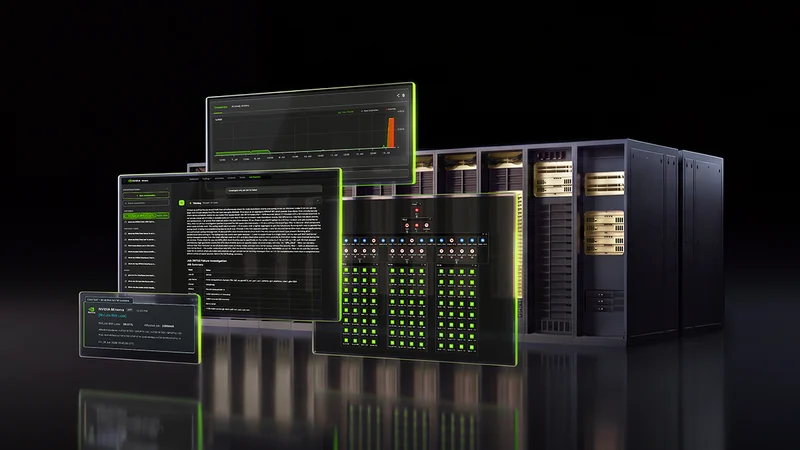
NVIDIA has launched Minerva, an AIOps platform designed to deliver end-to-end observability and maximize uptime for large-scale AI factories.
Trump Ignored Intel on China Spy Near Nvidia CEO
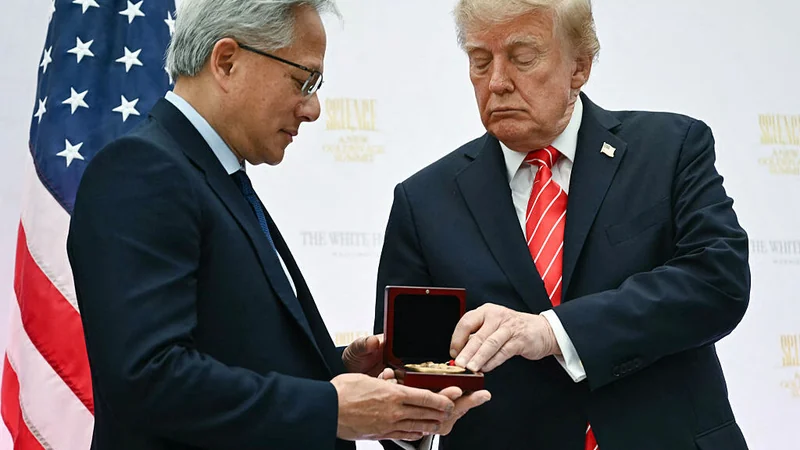
A new report reveals former intelligence on a Chinese spy linked to Nvidia CEO Jensen Huang was ignored by Donald Trump to protect stock.
Chinese AI Firms Reportedly Buy 1 Million Nvidia GPUs
A new report reveals Chinese tech companies bought over 1 million Nvidia gaming and workstation GPUs in a single year to bridge computing shortfalls.

Xeal Plans 100,000 Nvidia GPUs for EV Charging Sites
EV charging firm Xeal plans to deploy over 100,000 Nvidia GPUs in roadside pods across the United States to create an edge inference compute network.