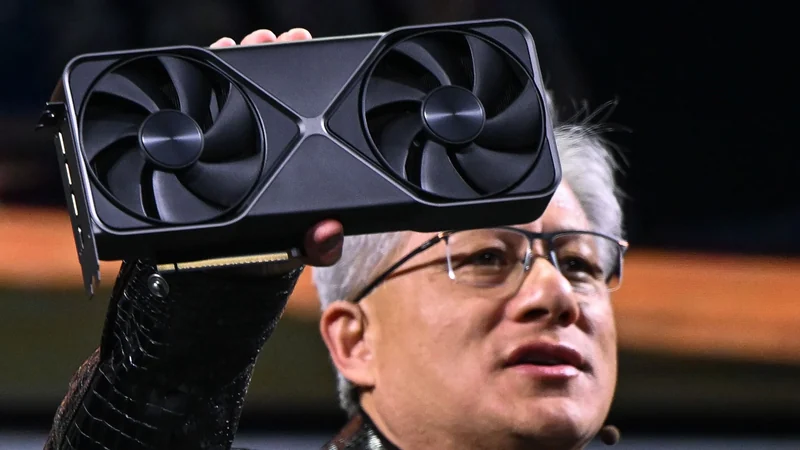
Chinese AI Firms Reportedly Buy 1 Million Nvidia GPUs
A recent report indicates that Chinese tech companies have purchased over 1 million Nvidia gaming and workstation GPUs within a single year. The massive hardware acquisition is designed to help bridge a significant compute demand gap for artificial intelligence.
 Radwan AbdulhadiEditor and technology writer
Massive Hardware Acquisitions Amid Domestic Shortfalls
According to a recent report covered by [Financial Times](https://www.ft.com/content/9dbd99db-6b0c-43bd-b7be-849f129df098?accessToken=zwAAAaE1y67IkdOdvZnbawxDvdO3voSfEp3wmA.MEYCIQCcv0n-lv-zIrdjHbHOOE-vKITwlWgnUq1j2YCxrd3MiAIhALMpC34eJfhfGxXOBSIHn8C8CKA-q4eVrrLwKL7LOl5K&sharetype=gift&token=6271f15f-4f45-4dc8-a869-b762cc04abb5&syn-25a6b1a6=1), Chinese technology companies have purchased more than 1 million Nvidia gaming and workstation graphics processing units. This buying spree highlights an ongoing and significant reliance on United States artificial intelligence hardware, even as the country fosters a burgeoning homegrown manufacturing market.
The details emerge as details from industry insiders shed light on the strategies employed by domestic firms to acquire necessary computing power. While national initiatives have successfully doubled domestic AI chip production over the course of the year, local manufacturing capacity continues to face major challenges in keeping pace with the country's largest tech companies.
Quantifying the Compute Gap and Domestic Production
Data highlighted in the report points to a substantial deficit between domestic supply and actual operational requirements. While expected domestic production sits at approximately 3.5 million chips, overall market demand far exceeds 5 million units, creating a shortfall of nearly 1.5 million chips.
To compensate for this deficit, organizations across the region are purportedly turning to Nvidia processors that comply with current U.S. export controls. These alternative processors are subsequently repurposed from traditional consumer and workstation environments to handle intensive artificial intelligence computing tasks.
Repurposing Consumer Hardware for Workloads
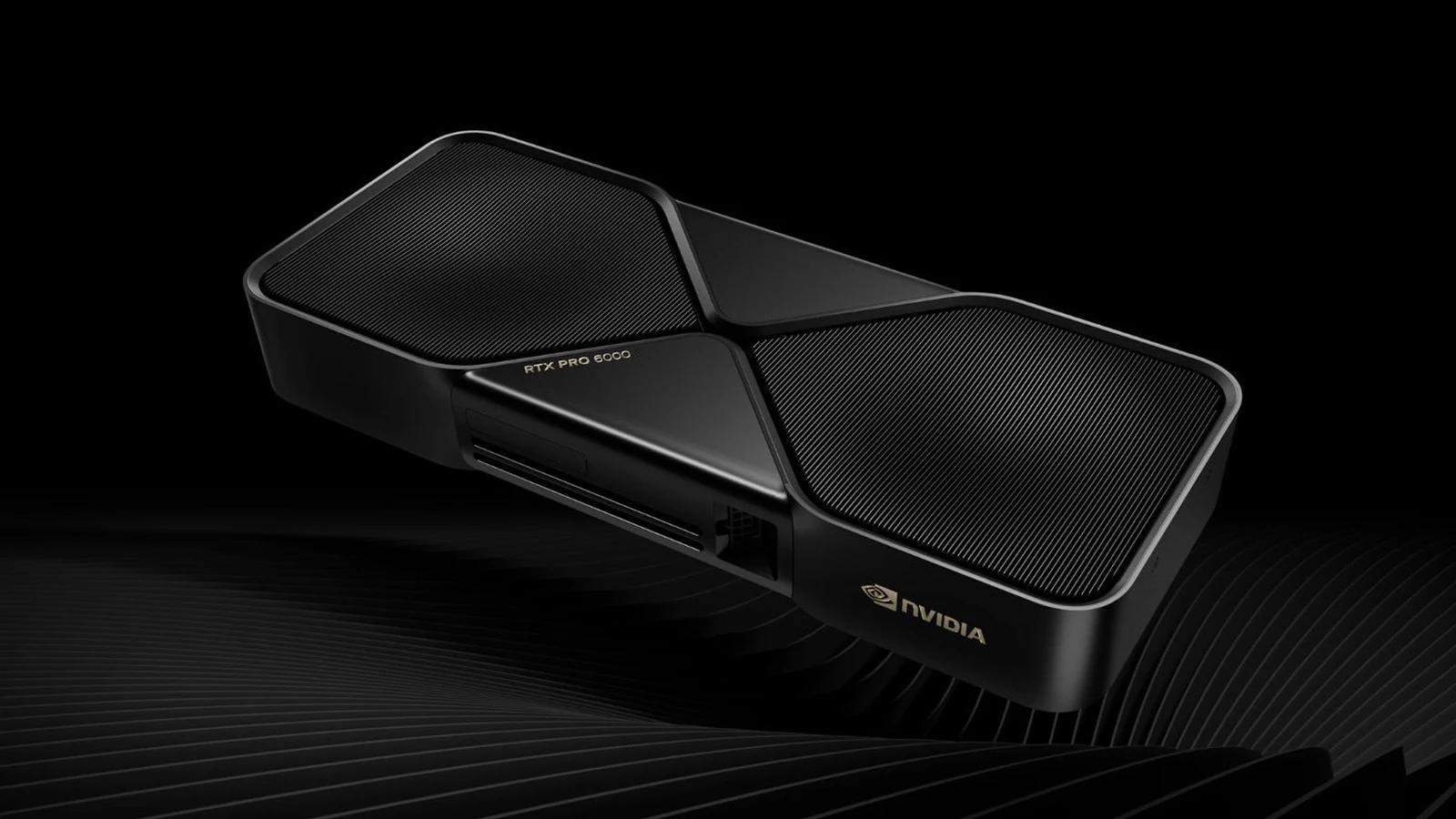
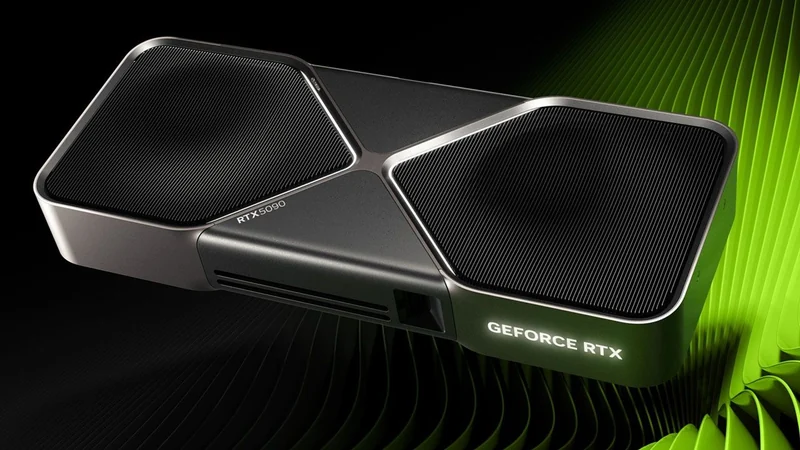
Insights shared via [Tom's Hardware](https://www.tomshardware.com/pc-components/gpus/chinese-ai-companies-buy-1-million-nvidia-gpus-in-a-single-year-report-claims-export-control-compliant-chips-flood-the-market-to-bridge-gap-in-compute-demand) indicate that the acquired hardware primarily consists of Nvidia's RTX Pro 6000D, RTX Pro 5000, and RTX 5090 models. Although the latter represents a top graphics card for enthusiast gaming, these Blackwell architecture chips are being directed toward simpler artificial intelligence workloads like prefilling.
While these consumer and workstation processors cannot compete directly with flagship homegrown offerings such as Huawei's Ascend 910C, they provide an immediate and viable bridge to satisfy heavy computational demands across the sector.
Market Pressures and Software Preferences
The heavy focus on acquiring consumer hardware places intense pressure on an already strained GPU market. While the RTX 5090 carries an MSRP of $1,999, surging demand has driven availability down dramatically, leaving the card listed at significantly higher prices through a limited number of third-party resellers.
Furthermore, a major driver behind the continued push for Nvidia hardware is the company's CUDA software ecosystem. Industry participants continue to favor CUDA over alternative platforms, cementing the reliance on Nvidia products even as hardware configurations evolve to meet international trade regulations.
Sources
- Tom's HardwareChinese AI companies buy 1 million Nvidia GPUs in a single year, report claims
Continue chronologically


Related entity coverage
Related stories
Chinese Tech Giants Order $35B in Nvidia RTX Pro 5500 GPUs
ByteDance, Alibaba, and Tencent have placed massive orders for Nvidia RTX Pro 5500 workstation GPUs, far outstripping planned production capacity.

Nvidia RTX 5090 Faces Discontinuation and Surging Prices
Recent rumors suggest Nvidia's flagship RTX 5090 is facing discontinuation with no replacement until 2028, pushing standalone prices past $7,500.
Crypto Rig Bought for $35 Delivers 54GB of VRAM
A Reddit user purchased an old nine-GPU crypto mining rig from a garage for $35, yielding 54GB of VRAM and running local AI models.
Chinese Factories Strip RTX 5090s for AI Servers
A newly leaked video exposes industrial-scale Chinese workshops dismantling thousands of GeForce RTX 5090 graphics cards to build AI servers.