Apple Announces Touchscreen MacBook Pro With OLED Display
After years of resisting touchscreen laptops, Apple has officially announced a completely redesigned MacBook Pro featuring a PROLED XDR touchscreen display, M5 Pro and M5 Max processors, and a starting price of $2,899.
 Radwan AbdulhadiEditor and technology writer
Apple Unveils First Touchscreen MacBook Pro
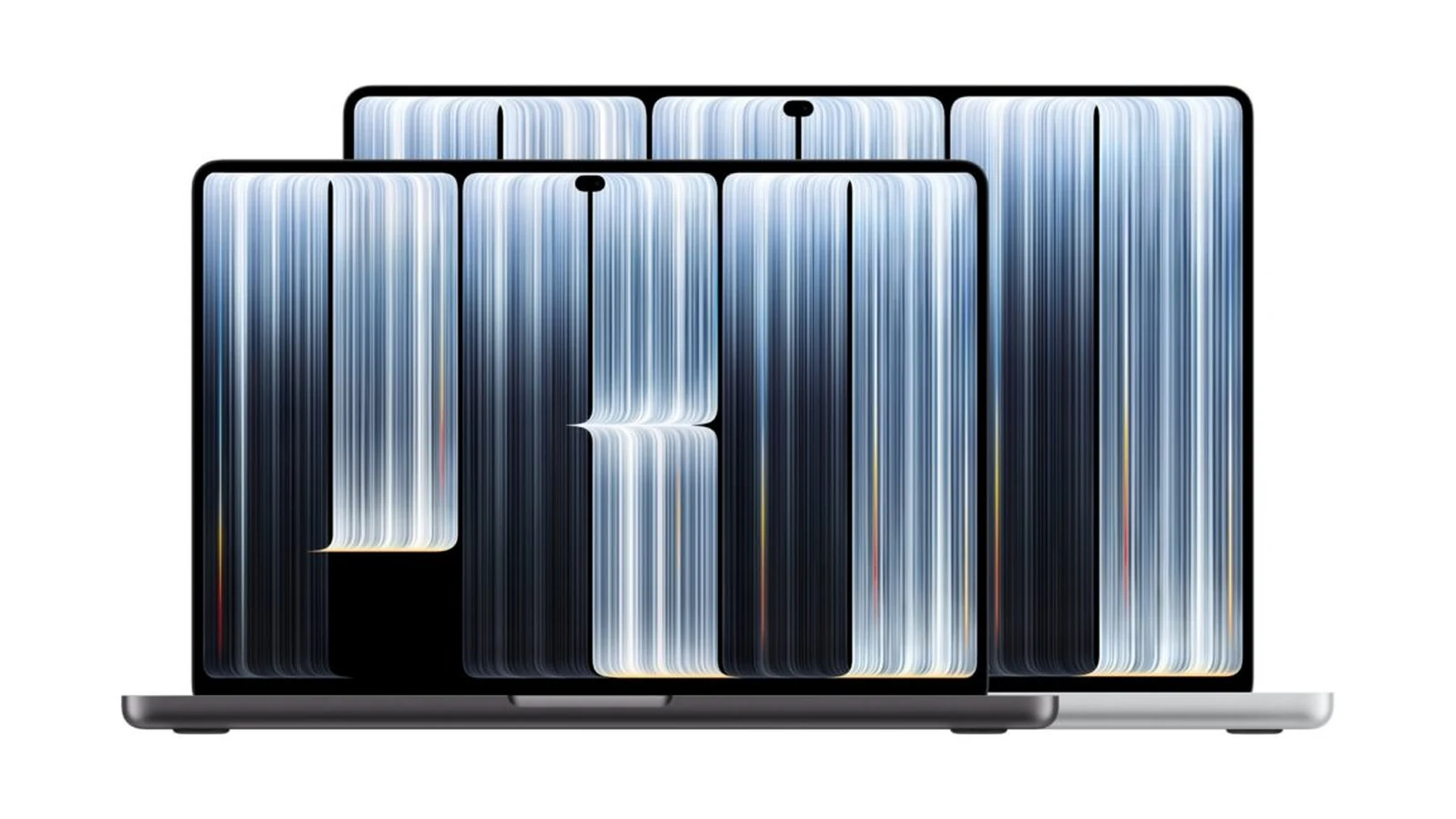
Apple has officially announced and given a first glimpse of its first major MacBook Pro redesign in more than five years during its 'Pro and tell' event. As rumored, the new machine introduces an OLED display and, for the first time on macOS, a touchscreen. This marks a massive shift for the company, which spent nearly two decades publicly debating and resisting the concept. Former CEO Steve Jobs famously opposed touchscreen laptops, calling them 'ergonomically terrible,' while his successor Tim Cook once joked about the impracticality of combining certain appliance categories.
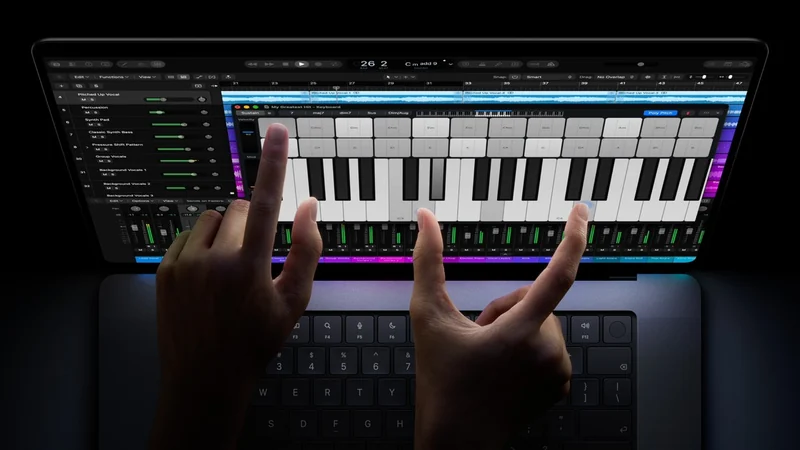
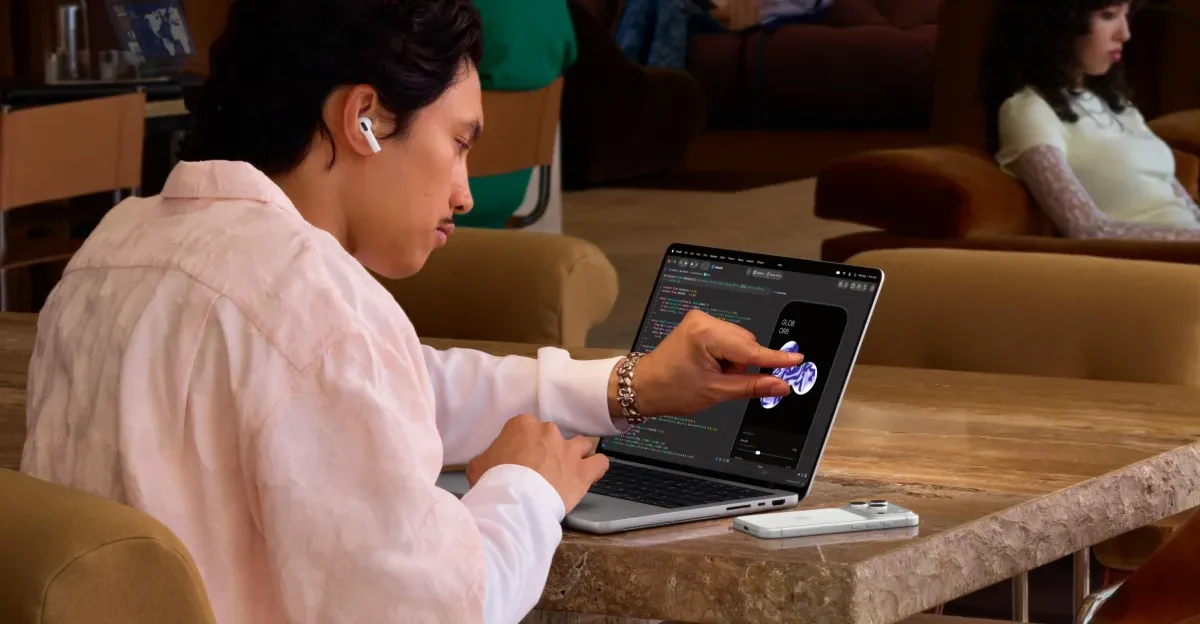
Demonstration videos displayed users interacting with applications by reaching up to touch the screen, supporting file dragging and multi-touch gestures like pinch-to-zoom. According to Apple, the touch sensor is built directly into the display panel rather than layered on top, which the company claims reduces latency. Furthermore, the device is available to preorder starting today, with shipments reaching consumers on November 6.
PROLED XDR Display and Design Overhaul
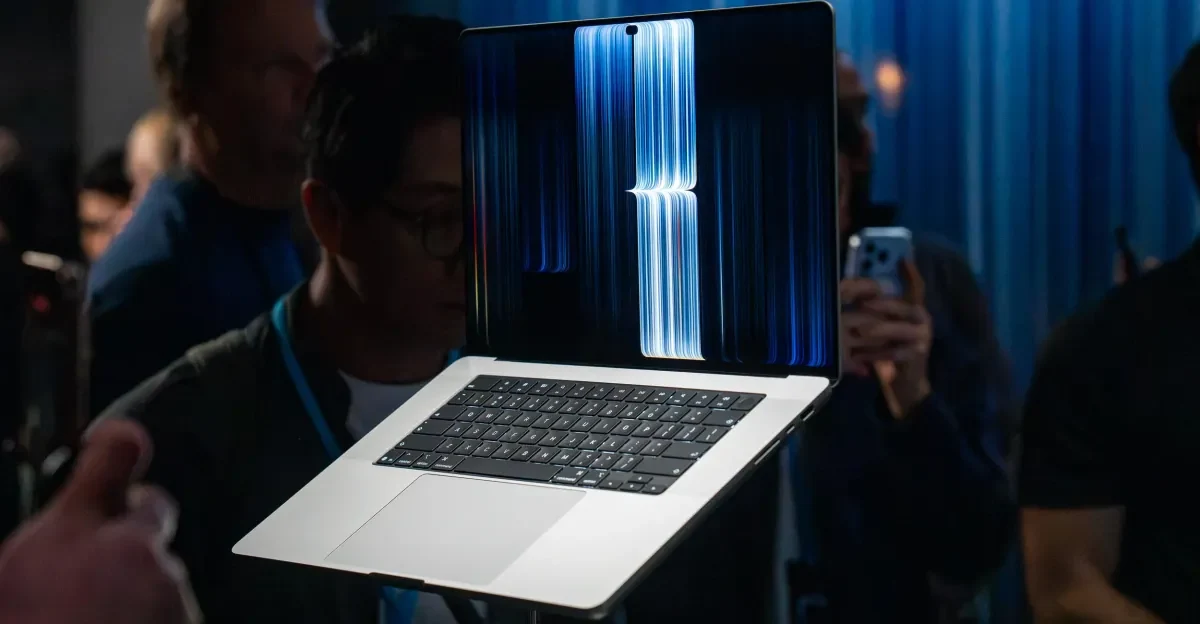
The standout feature of the new laptop is its OLED display, which Apple has named the PROLED XDR. It can achieve up to 2,000 nits of peak SDR brightness, a 10,000,000:1 contrast ratio, and maintains the 120Hz variable refresh rate of its predecessors. Alongside the visual upgrade, the laptop incorporates a redesigned hinge for improved stability and slimmed-down bezels that expand screen sizes to 14.2 inches for the smaller model and 16.3 inches for the larger version.
The physical chassis has also been significantly lightened and thinned. The 14-inch model weighs just 3 pounds, shedding roughly half a pound depending on the configuration, while the 16-inch model weighs 4 pounds. Additionally, the top-of-screen camera notch has been replaced by the Dynamic Island, which expands and contracts to display live activities. In a nostalgic nod to past hardware generations, the Apple logo on the back of the lid now glows once more.
Internal Specifications and Performance
Under the hood, this release bypasses the newly introduced M6 series chips seen in other fresh Mac announcements, opting instead for the M5 Pro and M5 Max processors. Memory configurations top out at 128GB of RAM, matching previous generation maximums, while storage options can now scale up to a massive 16TB for users requiring maximum capacity.
Connectivity options include a MagSafe 3 port, a headphone jack, an SD card reader, an HDMI port, and three Thunderbolt 5 ports. The system supports up to three external displays simultaneously, with support extending to four external displays on configurations featuring the M5 Max chip. Apple also highlights an enhanced six-speaker sound system promising deeper bass and improved clarity.

Software Adaptations and Touch Integration
Introducing a touch interface to macOS requires distinct software considerations. Apple has updated its native apps to be optimized for touch input, and an updated API provides developers with the tools to incorporate touch functionality into third-party software. To alleviate potential ergonomics issues with small UI targets, macOS magnifies specific controls when poked, such as window traffic light buttons and drop-down menus.
Users can scroll through web pages, zoom in on photos, and annotate notes directly on the screen. Apple suggests professionals will find the touchscreen helpful for testing iOS and iPadOS applications directly, interacting with 3D objects, and utilizing virtual software instruments.

Pricing and Availability
As anticipated, the technological upgrades come with a notable price tag. The 14-inch model equipped with the M5 Pro starts at $2,899, while the 16-inch model begins at $3,399. Choosing configurations powered by the M5 Max pushes the starting price to $4,499 for the 14-inch version and $4,799 for the 16-inch version, before accounting for any custom RAM or high-capacity storage upgrades.
Sources
- Ars TechnicaApple announces touchscreen MacBook Pro with OLED display
- The VergeApple announces its first touchscreen MacBook Pro
- The VergeHands-on with Apple’s touchscreen MacBook Pro
- EngadgetHere's how the touchscreen on the MacBook Pro with PROLED display works
Continue chronologically


Related entity coverage
Related stories
Apple Unveils First Touchscreen MacBook Pro with OLED Display
Apple announces its first major MacBook Pro redesign in over five years, featuring an OLED touchscreen, lighter build, and starting at $2,899.
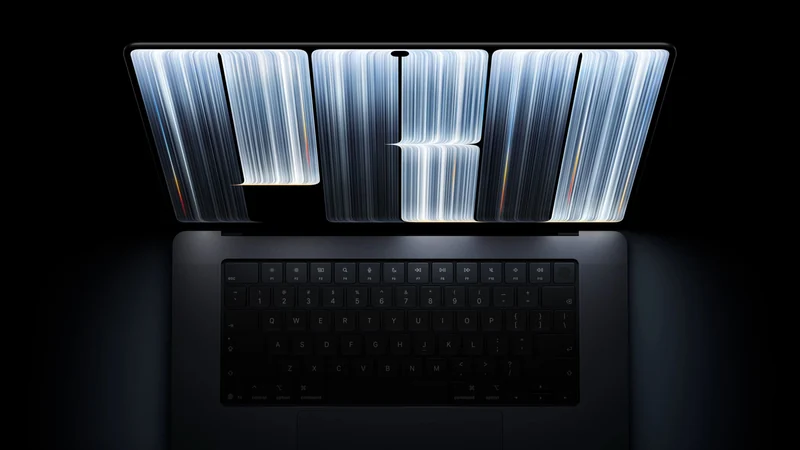
Apple Launches First Touchscreen MacBook Pro With OLED Display
Apple has announced its first touchscreen MacBook Pro featuring a tandem OLED PROLED XDR display, starting at $2,899 ahead of a November release.
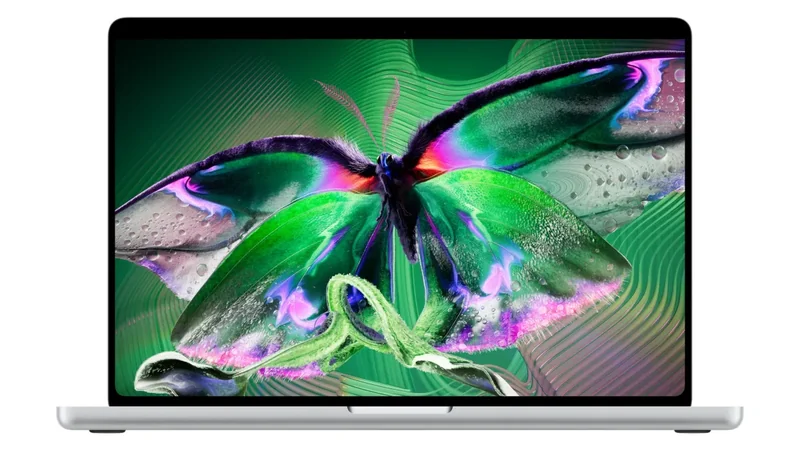
Apple Introduces Touchscreen MacBook Pro with PROLED Display
Apple has finally released its long-awaited touchscreen MacBook Pro, featuring an advanced PROLED XDR display, integrated touch sensor, and macOS support.
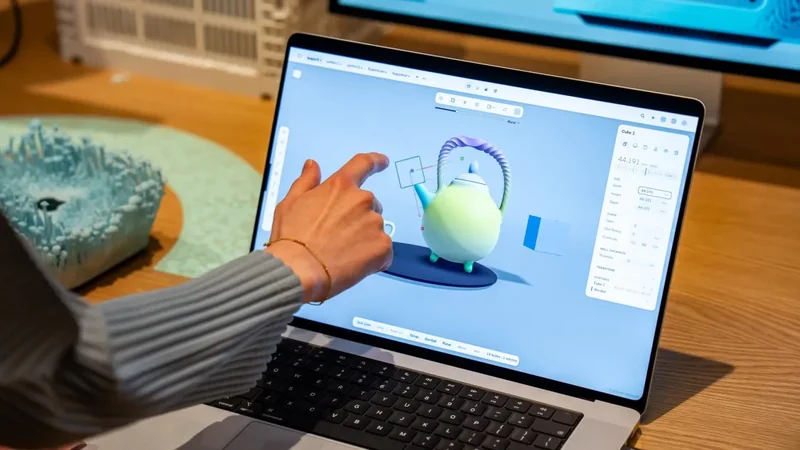
Apple Launches Redesigned MacBook Pro With PROLED XDR Display
Apple has unveiled 14-inch and 16-inch MacBook Pro models with tandem OLED displays, touch support, M5 Pro and M5 Max chips, starting at $2,899.