Chinese Factories Strip RTX 5090s for AI Servers
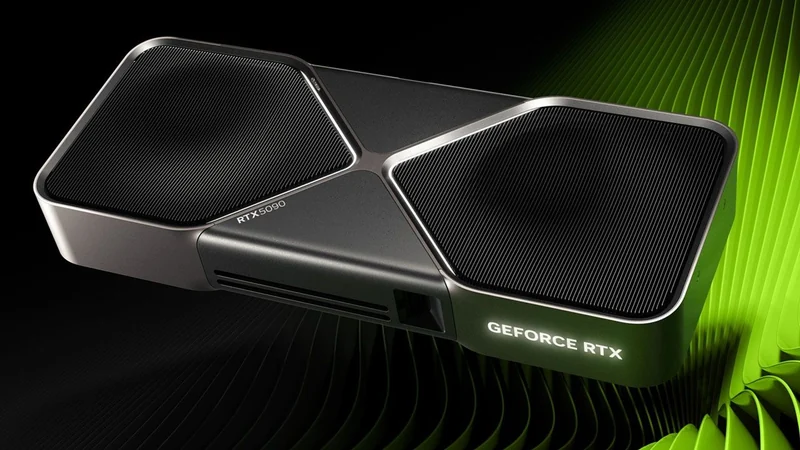
Industrial workshops in China are systematically dismantling thousands of consumer-grade GeForce RTX 5090 graphics cards, including custom partner models and Nvidia Founders Editions, to repurpose their high-end silicon for high-density AI server clusters.
 Radwan AbdulhadiEditor and technology writer
Industrial-Scale Conversion Operations
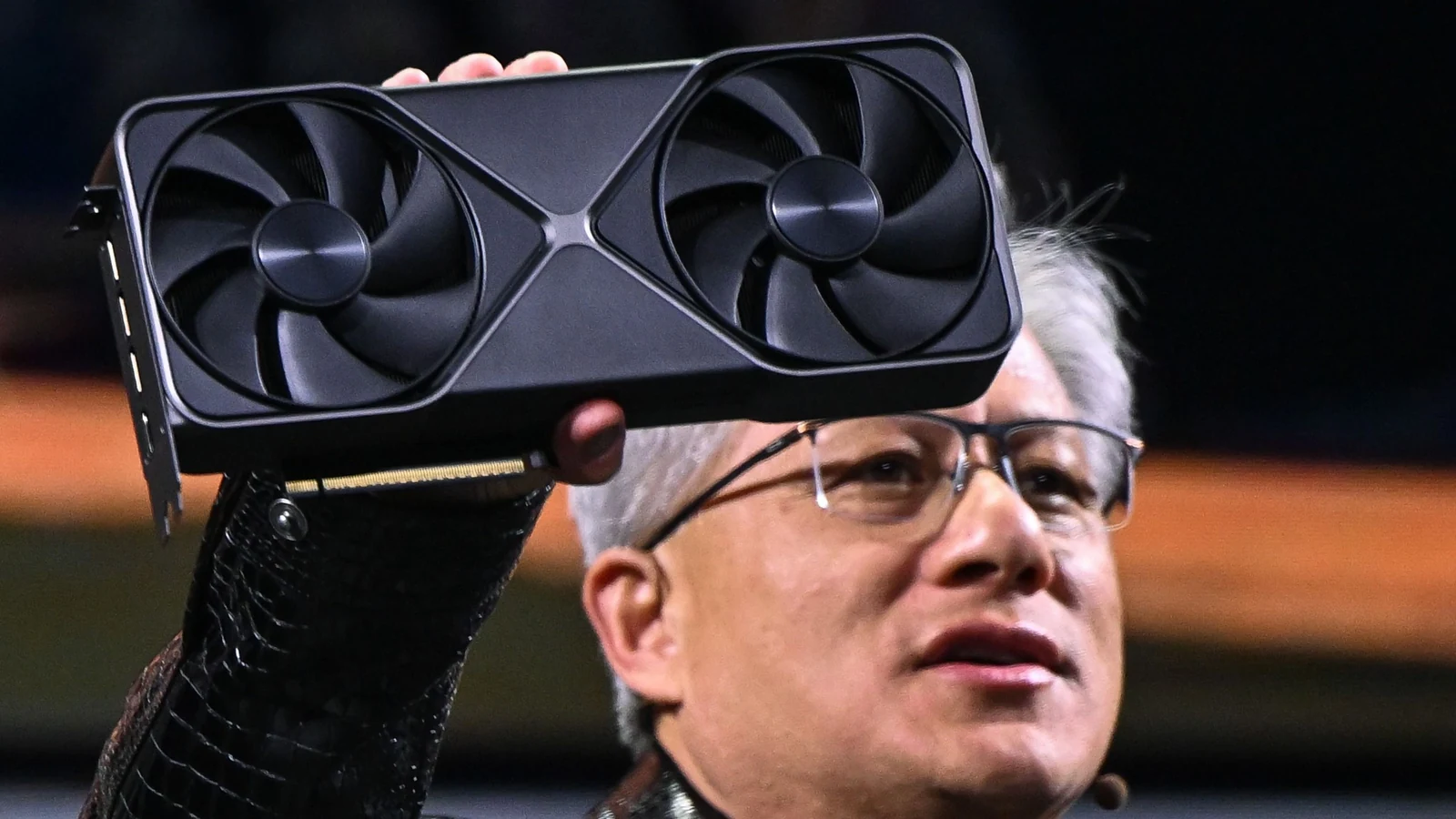
A newly surfaced video has provided a rare inside look at the massive grey-market operations driving the artificial intelligence boom in China. The footage exposes industrial workshops systematically dismantling brand-new <a href="https://www.tomshardware.com/pc-components/gpus/nvidia-geforce-rtx-5090-review">Geforce RTX 5090</a> graphics cards on an assembly-line scale. Rather than reaching gamers or standard retail channels, thousands of top-tier gaming cards—including custom partner models and Nvidia's highly coveted Founders Edition variants—are being intercepted and torn apart to fuel server clusters.
The industrial process involves skilled technicians carefully removing factory coolers and separating the main PCB. Using specialized desoldering techniques, workers extract the expensive GB202 silicon and GDDR7 memory chips from the original gaming layouts and transplant them onto custom server-ready printed circuit boards.
Transitioning to Blower Designs for AI
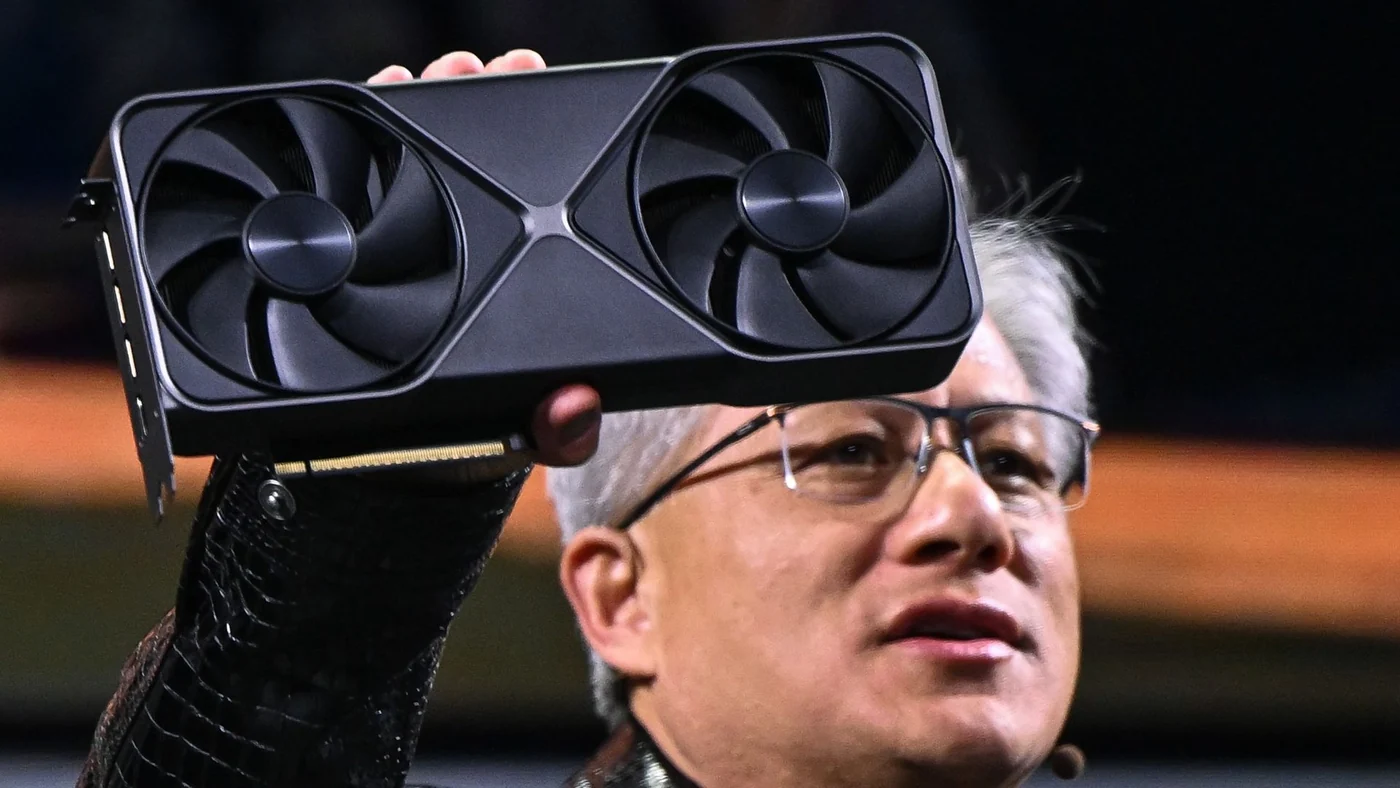
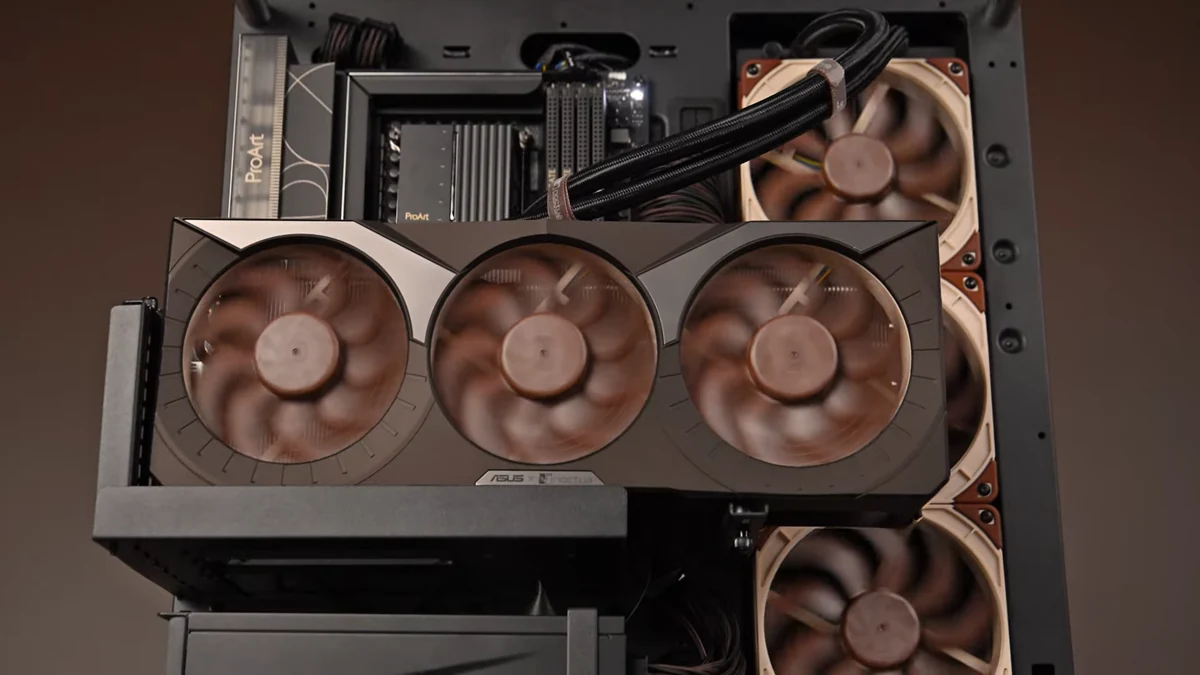
Standard high-end consumer graphics cards typically utilize bulky triple-fan coolers that occupy three to four expansion slots and vent heat sideways into the chassis. These configurations make multi-card installations in 4U servers or dense multi-GPU compute rigs nearly impossible.
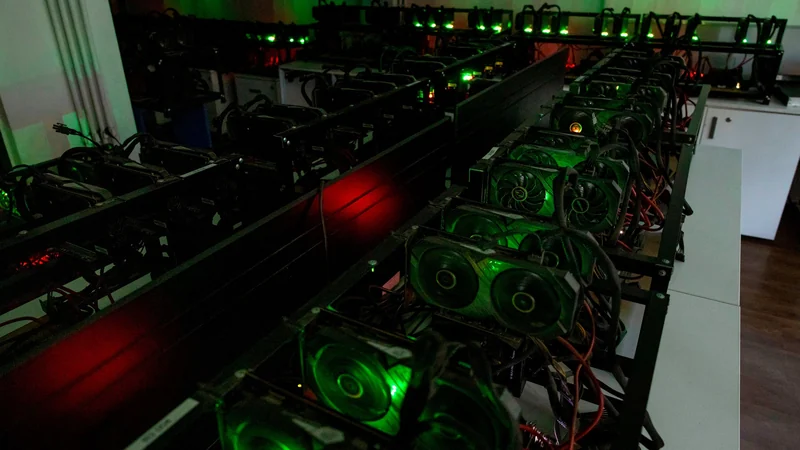
To solve this compatibility issue, the Chinese conversion workshops house the harvested silicon inside compact dual-slot blower cooling systems. These custom blower fans direct exhaust heat straight out the rear of the server chassis, allowing operators to cram massive amounts of computing power into high-density server racks. Once assembled, the modified cards undergo rigorous graphical and stability stress tests on multi-unit open-air test benches before being repackaged for enterprise clients and AI laboratories.
Grey-Market Supply Chains and Retail Shortages
The sheer scale of these conversion lines helps explain why flagship graphics cards have frequently vanished from retail shelves worldwide. Middlemen within grey-market supply networks continuously scour global markets to secure inventory, driving an industrial recycling cycle that strips thousands of units daily.
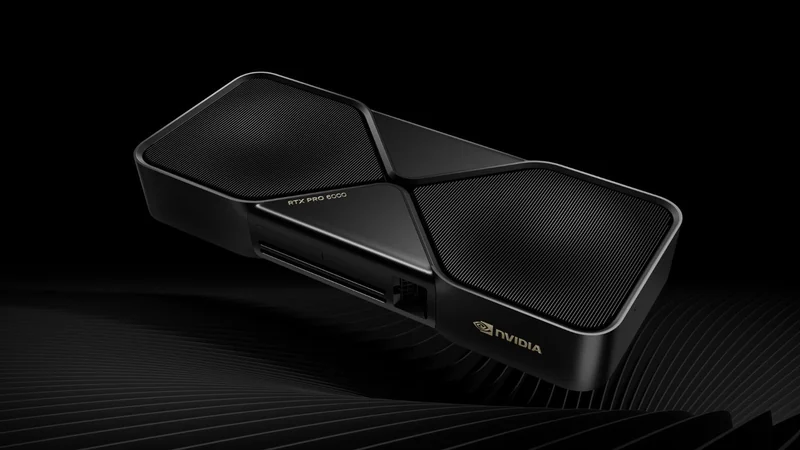
Simultaneously, reports indicate that Nvidia has halted production of the base consumer flagship, likely redirecting valuable silicon toward higher-margin professional enterprise hardware like the RTX Pro 6000 Blackwell. This dual pressure of factory redirects and aggressive component harvesting has heavily depleted retail availability, particularly across United States markets.
Market Impact and the Rise of Prebuilts
With supply choked off by high-demand AI deployment, standalone custom cards have commanded eye-watering prices, reaching up to $8,500 or approaching the $10,000 threshold on secondary markets. These inflated prices have effectively priced traditional enthusiasts and gamers out of individual purchases.
An unusual market workaround has emerged in response to the shortage. Consumers looking for the <a href="https://www.tomshardware.com/reviews/best-gpus,4380.html">best graphics cards</a> have found that purchasing complete, prebuilt desktop gaming systems can sometimes cost less than buying a single standalone flagship card, offering a fully assembled alternative backed by a manufacturer warranty.
Sources
- Tom's HardwareLeaked video exposes how industrial-scale Chinese factories are dismantling RTX 5090s by the thousands to fuel AI servers
Continue chronologically


Related entity coverage
Related stories
Nvidia RTX 5090 Faces Discontinuation and Surging Prices
Recent rumors suggest Nvidia's flagship RTX 5090 is facing discontinuation with no replacement until 2028, pushing standalone prices past $7,500.
Chinese Tech Giants Order $35B in Nvidia RTX Pro 5500 GPUs
ByteDance, Alibaba, and Tencent have placed massive orders for Nvidia RTX Pro 5500 workstation GPUs, far outstripping planned production capacity.

Chinese AI Firms Reportedly Buy 1 Million Nvidia GPUs
A new report reveals Chinese tech companies bought over 1 million Nvidia gaming and workstation GPUs in a single year to bridge computing shortfalls.
Crypto Rig Bought for $35 Delivers 54GB of VRAM
A Reddit user purchased an old nine-GPU crypto mining rig from a garage for $35, yielding 54GB of VRAM and running local AI models.