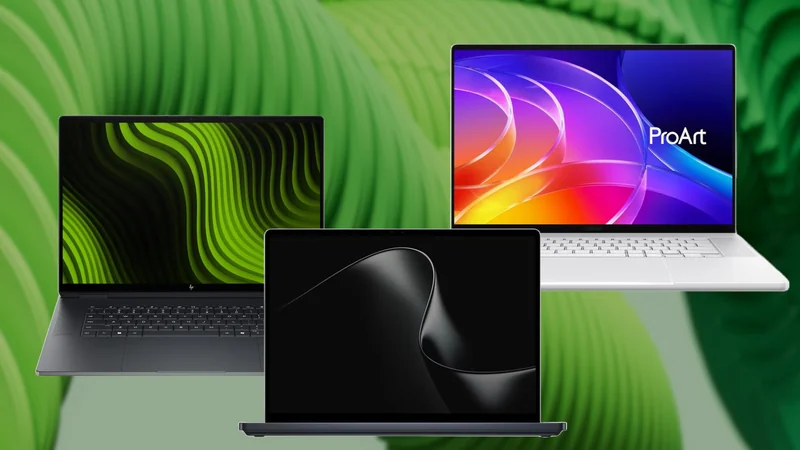
ASUS ProArt P16 Review: A Sleek Showcase For NVIDIA's RTX Spark
The ASUS ProArt P16 introduces NVIDIA's RTX Spark platform to a premium creator laptop, combining high-end AI performance with a sleek aluminum design.
 Radwan AbdulhadiEditor and technology writer
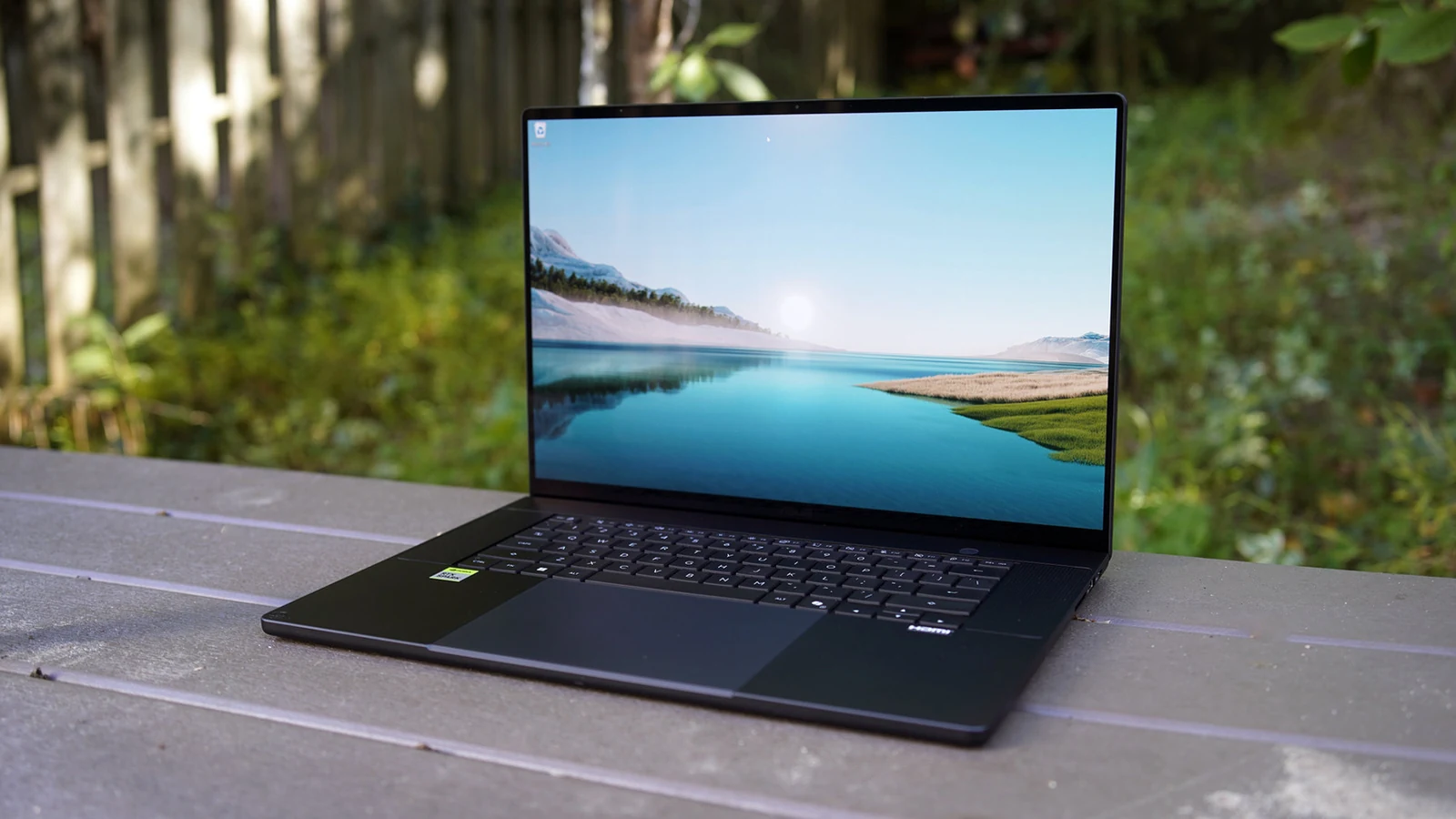
Introduction to RTX Spark on the ProArt P16
ASUS has launched its first laptop featuring an NVIDIA RTX Spark chip, demonstrating how the new PC platform handles high-end mobile computing. As detailed by Devindra Hardawar, the platform is not intended to completely replace traditional x86 hardware from Intel and AMD, but rather serves as a new fork of PC design aimed at AI researchers and enthusiasts. Further details are available from Engadget in the original source material.
The ProArt P16 is built as a premium notebook targeted at power-hungry creators. While Microsoft and NVIDIA have positioned RTX Spark as a complete reinvention of the PC, the ProArt P16 functions as a high-end portable workstation that is particularly appealing for users running local AI models who need to configure up to 128GB of RAM within a slim chassis.
Pricing and Hardware Configurations
The hardware configuration comes at a steep cost. The ProArt P16 carries a starting price of $2,800, with prices increasing significantly when upgraded to higher memory tiers. The specific review model equipped with 128GB of RAM reaches a total cost of $7,000.
Despite its gaming capabilities, buyers pay a substantial premium compared to a dedicated gaming laptop. The system-on-a-chip architecture combines a 20-core Arm CPU, a modern Blackwell GPU, and unified memory, mirroring the unified memory architecture popularized by Apple's M-series chips.
Design, Display, and Connectivity
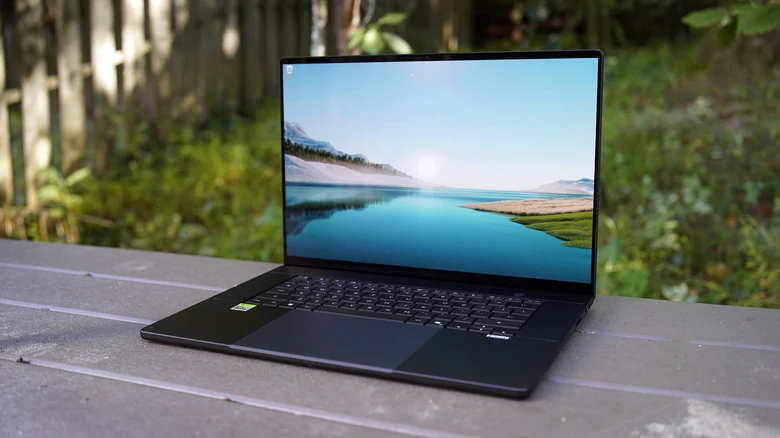
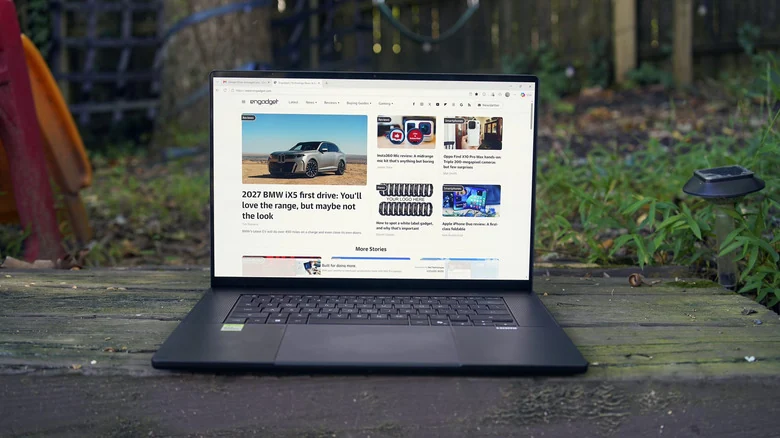
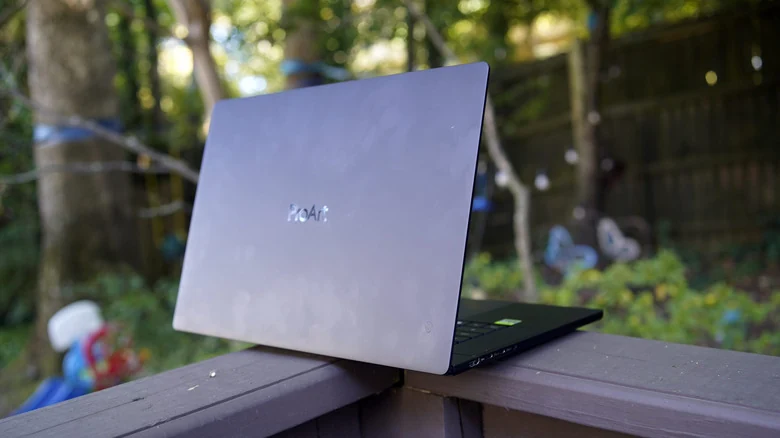
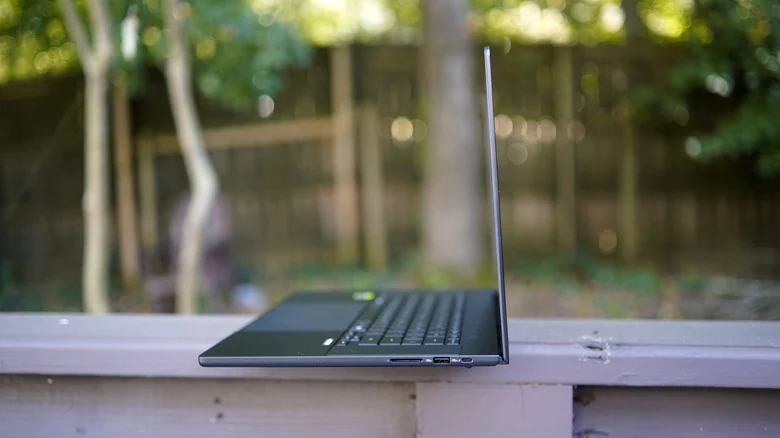
The exterior features a sturdy and sleek aluminum case that weighs 3.9 pounds, making it lighter than a 16-inch MacBook Pro. The notebook includes a bright 16-inch OLED screen, a spacious keyboard, and a large haptic touchpad.
Connectivity options are robust for a thin, pro-grade chassis. The ProArt P16 includes three USB-C connections, a USB Type-A port, an HDMI output, a headphone jack, and a full-sized SD card reader, omitting an Ethernet port to maintain its slim profile.
Performance and Benchmark Results
In daily operation, the RTX Spark system offers rapid responsiveness when handling large file downloads and simultaneous tasks. While initial benchmark scores in PCMark 10 and Geekbench 6 single-threaded CPU tests lagged slightly behind certain Snapdragon-powered machines, the GPU, NPU, and unified memory excelled in graphics and AI workloads.
In UL Procyon benchmarks, the system outperformed comparison hardware in both AI Computer Vision and AI Image Generation tests, benefiting directly from the heavy graphics power of the RTX Spark chip. The hardware successfully ran local large language models while maintaining capacity for concurrent tasks.
Gaming and Software Compatibility
The graphics hardware delivers performance comparable to a mobile RTX 5070 while drawing less power. During testing, games like Control and Cyberpunk 2077 ran at high settings, though heavy cooling fan noise was noted under load.
Because the platform relies on an Arm CPU, games and older Windows software depend on Microsoft's Prism emulator, which can introduce performance drops or compatibility hurdles. However, native Arm64 builds are available for select popular titles, and overall compatibility continues to evolve alongside broader Windows on Arm advancements.
Sources
- EngadgetASUS ProArt P16 review: A sleek showcase for NVIDIA's RTX Spark
Continue chronologically


Related entity coverage
Related stories
Nvidia RTX Spark Laptops Launch With Prices Reaching $7,000
Discover the pricing and specifications of the new Nvidia RTX Spark laptops from Dell, Lenovo, MSI, HP, and Asus, launching as early as October 16th.
Nvidia Launches RTX Spark Laptops with Arm Windows Support
Nvidia brings Arm-powered Windows PCs to market with the new RTX Spark laptops, promising full application and game compatibility.
Nvidia RTX Spark Laptops Launch With Devices From Major Brands
Nvidia RTX Spark laptops are officially on sale from brands like Microsoft, Asus, HP, Lenovo, and Dell, with prices starting at $2,599.
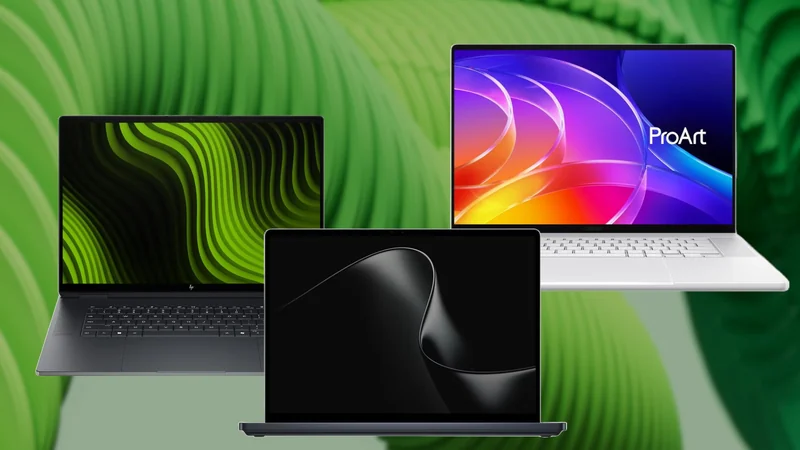
Nvidia RTX Spark Laptop Pre-Orders Begin From $2,599
Pre-orders for Nvidia RTX Spark devices are live, featuring models from Asus, Microsoft, HP, Lenovo, and Dell starting at $2,599 ahead of shipping on October 16.