
Aaron Sorkin's The Social Reckoning Examines Meta
Written and directed by Aaron Sorkin, the new film examines the Facebook Files scandal and the tech giant's pursuit of engagement at all costs.
 Radwan AbdulhadiEditor and technology writer
From Silicon Valley Mythos to Meta's Reality
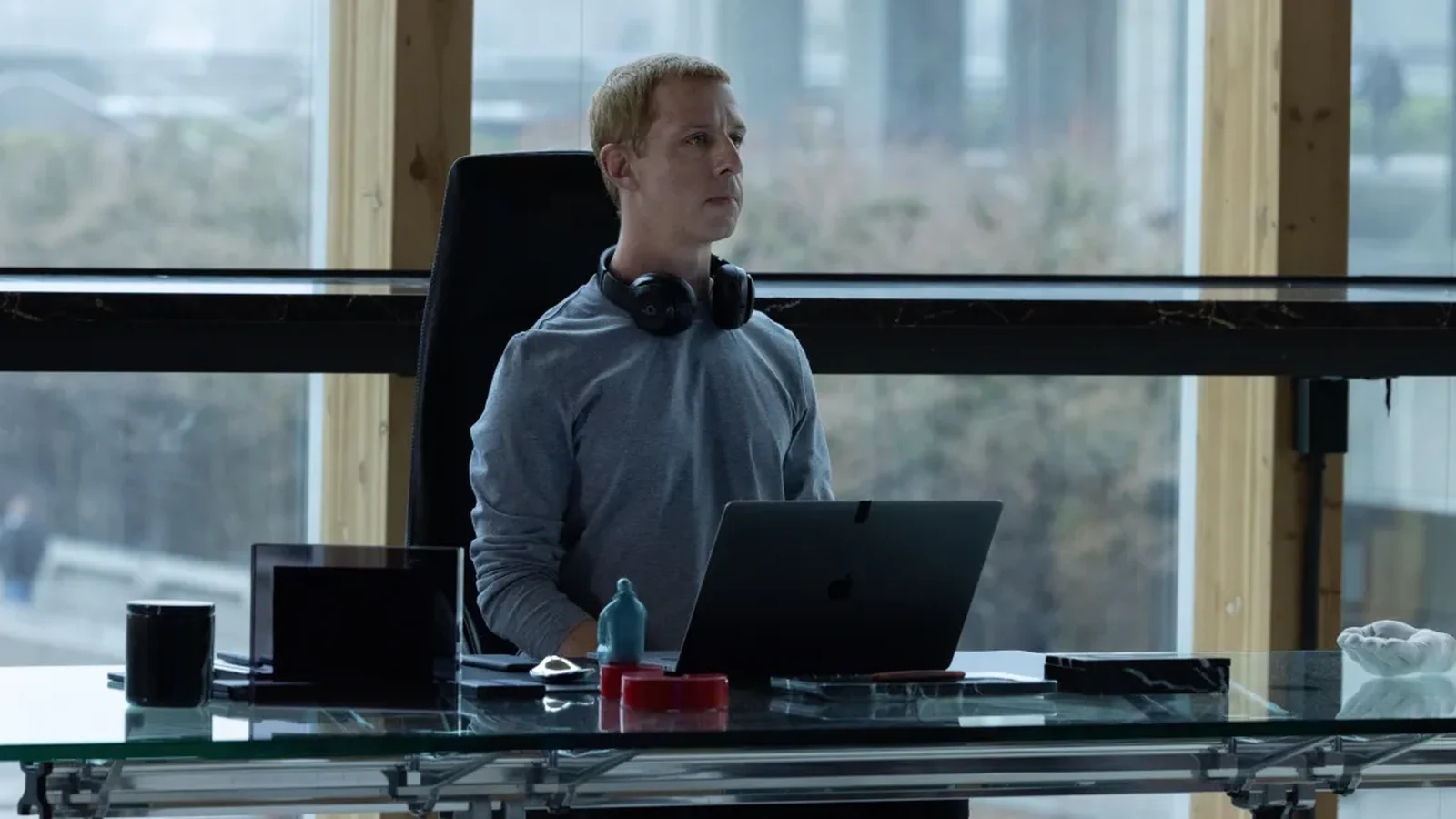
When David Fincher's The Social Network premiered in 2010, the general public viewed Mark Zuckerberg through the lens of a brilliant startup pioneer who revolutionized digital connection. Written by Aaron Sorkin, that original film offered a critical look at Zuckerberg's ruthless business approach while simultaneously helping to mythologize the co-founder during an era when Silicon Valley enjoyed immense public grace.
Fast forward to 2026, and public sentiment surrounding the man running Meta has shifted dramatically. Sorkin's latest cinematic effort shifts the focus away from early startup days and places the Facebook Files scandal firmly on the timeline, charting how exponential growth transformed the platform into a recognized societal threat.
Chronicling the Whistleblower and Investigative Journalism
Billed as a companion piece rather than a direct sequel, The Social Reckoning weaves a narrative around The Wall Street Journal ’s bombshell reporting alongside whistleblower Frances Haugen. The movie spends a significant portion of its runtime following Haugen (played by Mikey Madison) during her tenure as a product manager on Facebook's civic integrity team.
As the plot unfolds, Haugen recognizes that hate speech and misinformation are actively amplified by platform algorithms. Realizing that colleagues are unwilling to challenge Mark Zuckerberg's single-minded push for engagement, she turns to journalist Jeff Horwitz, portrayed by Jeremy Allen White, to bring internal truths to light.
Uncovering Harms and Internal Awareness
The movie highlights tense secret meetings where Haugen and Horwitz review damning internal documents showing how Facebook was well aware of its products' potential to do harm. Sorkin's script portrays the platform as an environment where conspiracy groups could thrive and radicalize users in the relentless pursuit of growth.
By examining these dynamics, the film demonstrates how the platform fostered a place where conspiracy groups could thrive while management prioritized metrics over user safety and well-being.
Portraying Zuckerberg's Evolution
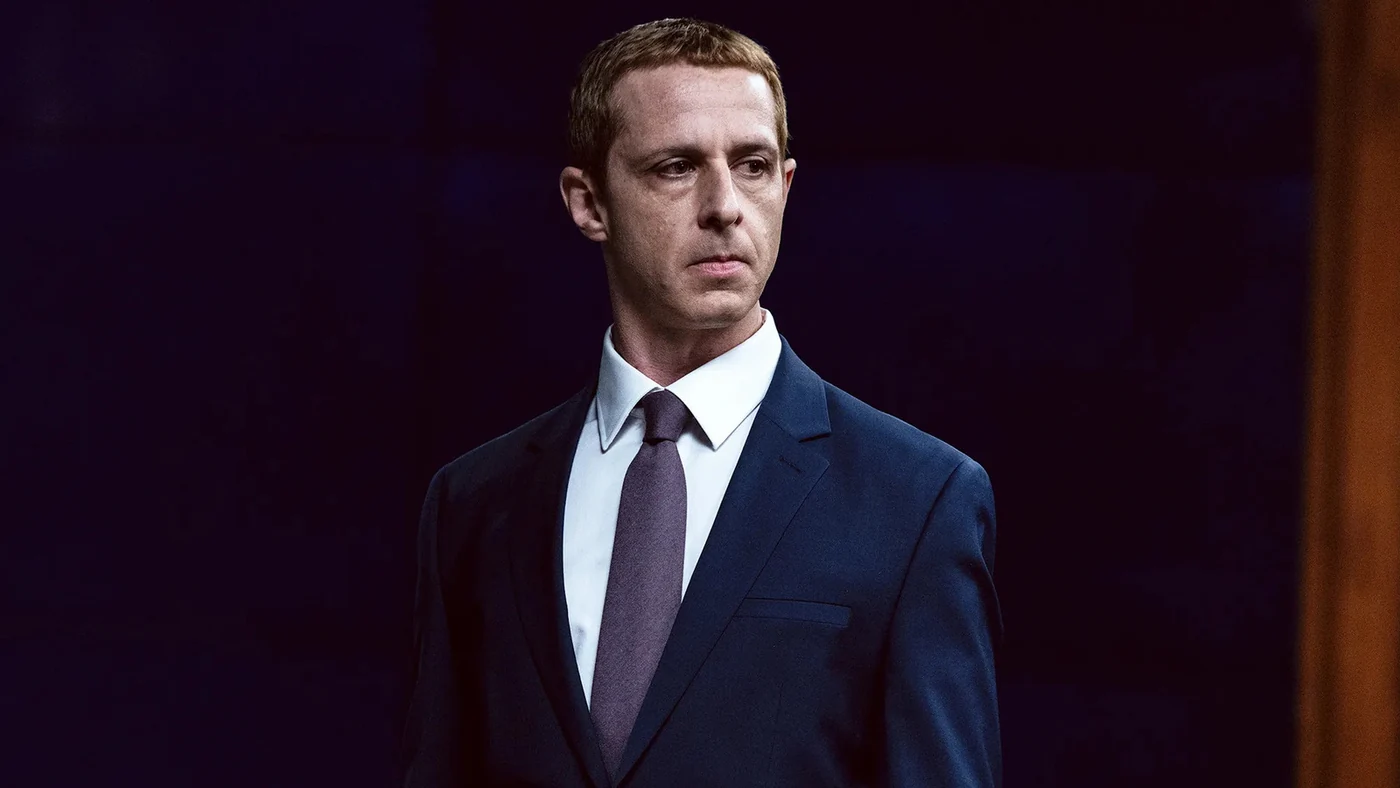
Jeremy Strong takes on the role of Mark Zuckerberg, adopting an unsettlingly robotic aura that contrasts sharply with Jesse Eisenberg's vulnerable portrayal in the 2010 film. Strong's performance captures a calculating executive focused on maintaining dominance and attempting to stay one step ahead of his competitors.
The Social Reckoning arrives in theaters on October 9th. While it serves as a useful recollection of how the tech giant faced public scrutiny, it also stands as a reminder of how little fundamental change has occurred in how society interacts with Meta's products.
Sources
- The VergeThe Social Reckoning is a tepid thriller that reminds us of how we got here
- EngadgetThe Social Reckoning is a timely reminder that we shouldn't trust Meta
Continue chronologically
Related entity coverage
Related stories
Meta and OpenAI Prepare New Physical AI Hardware Strategies
Meta and OpenAI are testing physical AI hardware strategies by soft-launching cutesy software agents, aiming to succeed where previous devices failed.
Meta’s Pivot: From Metaverse Bets to AI-Powered Glasses
Meta is shifting focus from its struggling metaverse vision to AI-integrated smart glasses and new agents, despite ongoing regulatory and social challenges.
Meta Introduces NTS Support for Public Time Service
Meta has updated its public time service to support Network Time Security (NTS), bringing cryptographic authentication and verifiability to internet time synchronization.

Meta and OpenAI Wrap New AI Agents in Cute Avatars
Tech companies are launching muppet-like AI agents with cute mascots, masking the real privacy risks of granting them deep digital access.