Ukrainian Drones Strike Russian Data Centers, Disrupting Apps
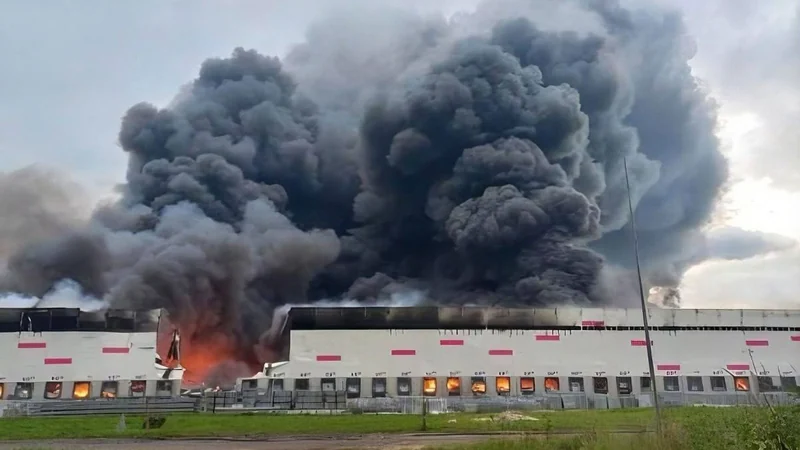
Recent long-range drone strikes by Ukraine have targeted major Russian data centers, causing widespread disruptions to national applications, metropolitan digital services, and online platforms.
 Radwan AbdulhadiEditor and technology writer

Drone Strikes Target Key Yandex Facilities
Over the past week, Ukraine [attacked] some of Yandex's biggest data centers, directly disrupting the operations of various Russian national applications and metropolitan digital services. The strikes have highlighted the fragility of Russia's centralized digital infrastructure, bringing essential daily applications to a halt.
While there is a broader list of data centers from other providers supporting the Yandex cloud network, most are relatively small and offer limited compute capacity. Consequently, targeting just three primary Yandex facilities was enough to severely impact key digital services such as shopping and taxi apps in major Russian cities.
Impact on Digital Services and Disinformation Networks
As the Russian equivalent of Google, Yandex operates across numerous digital domains, including search engines, online mapping, digital shopping, cloud storage, ridesharing, and food delivery. When these vital systems face disruption, the digital services that citizens rely on in a modern economy break down quickly.
In addition to consumer apps, the strikes have impacted Russia's online disinformation activities. Although initial reports suggested that bot traffic had completely cratered, a report from Cloudflare indicates that much of the bot traffic merely migrated to alternative hosts rather than vanishing entirely.
Journalist Ilya Lozovsky noted on social media that legitimate web crawlers and search functions experienced sharper disruptions than automated bot activity, while reports also highlighted reduced online activity among specific far-right political groups in Europe.
Contrasting Infrastructure Resilience in Ukraine
While Russia has also [targeted Ukrainian data centers in recent weeks], Ukraine's digital architecture has proven significantly more resilient due to its reliance on cloud platforms like Amazon's AWS. This setup includes distributed hosting, resilient service structures, and built-in AI integration.
When Russian strikes hit Ukrainian infrastructure, affected services can be rapidly migrated to data centers operating in entirely different countries. Furthermore, Ukraine benefits from international allies capable of providing technical expertise, advanced digital infrastructure, and modern AI cybersecurity models.

Russia's Inward-Facing Internet and Limited Allies
In contrast, Russia's internet ecosystem is inward-facing, with the government actively banning Western platforms like WhatsApp and Telegram to push citizens toward state-run alternatives such as Max. When domestic infrastructure fails, Russian users have far fewer alternative options available.
Regional allies such as Belarus, North Korea, and Iran are unable to offer significant digital infrastructure support. Even China, despite aiding Russia throughout the conflict, operates a walled-garden internet architecture that makes complex integration with Russian applications difficult and time-consuming.
Long-Term Economic and Technological Outlook
The ongoing drone campaigns expose profound structural weaknesses in Russia's modern economy and society. If these attacks continue, both Russian citizens and military operations risk losing access to essential digital services that underpin daily 21st-century life.
Combined with existing international sanctions that block Russia from participating fully in the global artificial intelligence boom, losing its primary data centers could leave the country's technological development lagging decades behind global competitors as the conflict continues.
Sources
- Tom's HardwareUkrainian drones hit Russian data centers, disrupting Russian apps and services
Continue chronologically


Related entity coverage
Related stories
Websites Move to Block Autonomous AI Agents
Major websites, airlines, and financial institutions are blocking AI agents from OpenAI, Meta, and Google, undermining their utility.

Russian Bot Traffic Plummets After Yandex Data Center Strikes
Russian disinformation bot traffic has nearly vanished overnight following Ukrainian drone strikes that crippled multiple major Yandex data centers.
Yandex Outage Shows Malicious Bots Migrated to Other Networks
Cloudflare data reveals that despite Yandex data center strikes and dropping search crawling, malicious bots simply migrated to other hosting providers.

Websites Are Blocking AI Agents From Accessing the Web
Websites and financial institutions are increasingly blocking AI agents from shopping and managing tasks due to security and commercial concerns.