Russian Bot Traffic Plummets After Yandex Data Center Strikes
Recent Ukrainian drone strikes targeting Russian tech giant Yandex have dramatically reduced disinformation bot traffic and disrupted critical cloud infrastructure.
 Radwan AbdulhadiEditor and technology writer

Yandex Data Centers Crippled by Drone Strikes
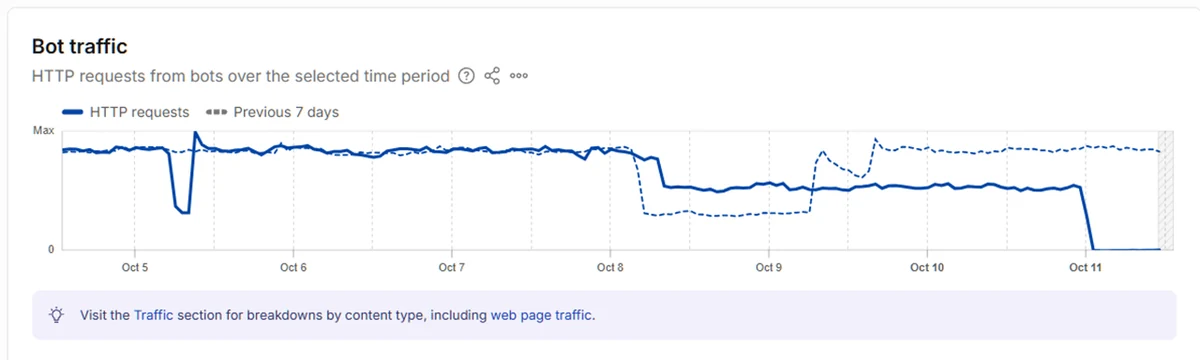
Russian bot traffic has dropped dramatically in the past few days after Ukraine knocked out Yandex’s biggest data centers. According to telemetry reported by Cloudflare, bot traffic originating from the Yandex network plummeted to a mere 0.4% of the maximum number of HTTP requests recorded over the preceding two weeks.
The operational collapse began when a Ukrainian strike hit a Yandex data center in Sasovo, Russia, located approximately 195 miles southeast of the Kremlin, which housed two critical supercomputers. This initial strike caused bot traffic metrics to drop to roughly 57% on October 8. A second, larger Yandex campus located in Kaluga—about 220 miles west of Sasovo—was subsequently knocked offline.
Disruption to Russian Cloud Services and Internet Access
Often described as 'Russia's Google,' Yandex and its associated cloud ecosystem experienced extensive outages. Status reports from Yandex Cloud indicate that at least 84 services went offline following the succession of drone attacks. Additional confirmation came from global internet monitoring firm NetBlocks, which stated that network traffic plunged to 30% for Yandex Cloud and 63% for Yandex LLC.
These infrastructural disruptions have resulted in significantly slower internet speeds or total service interruptions for average Russian users. Alternative high-speed satellite backup options remain severely constrained within the country, as Starlink does not operate in Russia, and the competing Rassvet satellite constellation has suffered high rates of failure, with many of its existing satellites falling back to Earth following launch.
Escalation in Infrastructure and Long-Range Drone Warfare
The targeted campaign against data centers represents a direct response by Ukraine to Moscow’s ongoing strikes against Kyiv's own data infrastructure. Some of those retaliatory or prior attacks have also led to outages affecting popular internet platforms and websites. Additional network collapses were recorded following subsequent morning drone strikes on data centers located in Vladimir.
These events follow a broader evolution in the ongoing conflict, which intensified significantly in 2022 after Russia’s initial attempt to capture Kyiv, though hostilities trace back further to 2014. The theater of war has increasingly relied on long-range technological warfare, with advanced drones capable of traveling over 1,500 miles to strike deep behind front lines.
Broader Regional Precedents for Data Center Attacks
While military installations and front-line infrastructure have routinely been designated as primary targets, attacks involving civilian data centers have grown more frequent across modern geopolitical conflicts. Moscow has defended its targeting of Ukrainian digital facilities by alleging they were utilized by military intelligence operations.
Similar vulnerabilities have appeared internationally. For instance, Amazon Web Services (AWS) facilities in Bahrain and the UAE faced multiple impacts amid regional military actions, prompting cloud providers to advise clients to migrate critical data workloads to safer geographic zones outside the impacted regions.
Media and Coverage Context
Detailed coverage and analysis of the hardware and technological implications of these infrastructure strikes have been tracked extensively by industry publications. Detailed reports on the technical aftermath of the Yandex network failures can be reviewed via reporting from Tom's Hardware.
Sources
- Tom's HardwareRussian disinformation bot traffic nearly eliminated overnight after Ukraine drone strikes cripple multiple of 'Russia's Google' data centers
Continue chronologically


Related entity coverage
Related stories
Ukrainian Drones Strike Russian Data Centers, Disrupting Apps
Ukrainian long-range drone strikes target Russian data centers, disrupting major digital services and apps while exposing infrastructure fragility.

Yandex Outage Shows Malicious Bots Migrated to Other Networks
Cloudflare data reveals that despite Yandex data center strikes and dropping search crawling, malicious bots simply migrated to other hosting providers.

Ukrainian Drones Strike Russian Finance Ministry Data Center
Ukrainian drone attacks have hit a Russian Ministry of Finance data center near Gorodets, threatening critical state registries and tax databases.
Ukrainian Drones Strike Russia's Largest Yandex Data Center
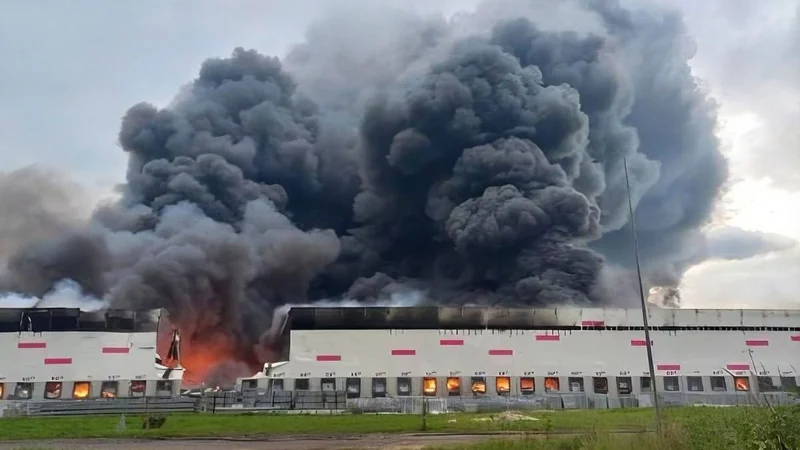
Ukrainian drones strike Russia's largest Yandex data center in Kaluga, taking multiple modules offline in a dramatic escalation of infrastructure attacks.