
Boost Your Home Surround Sound With These Simple Adjustments
Many home theater owners struggle with underwhelming audio quality simply due to outdated setups and poor room configuration. Improving your sound experience often requires nothing more than a few strategic adjustments to your existing equipment.
 Radwan AbdulhadiEditor and technology writer
Optimize Your Room Acoustics
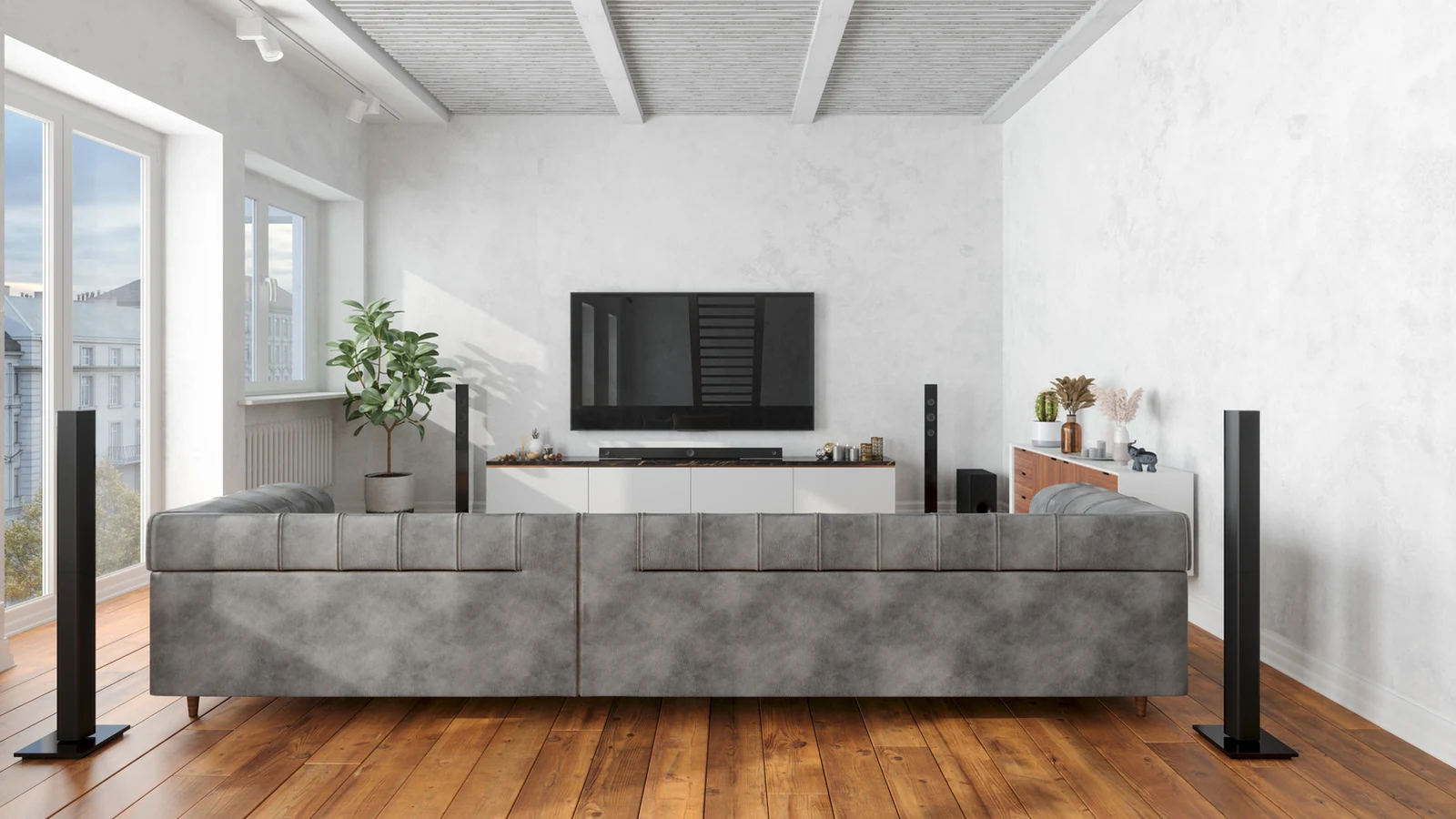
If your surround sound system is not performing as expected, the equipment itself is rarely the culprit. Often, the issue lies in a setup that has remained unchanged for years, failing to account for how a room's physical environment influences audio. According to research on how to improve the sound experience of your home theatre, more than half of what you hear is actually sound bouncing off hard surfaces, such as windows, tile floors, or bare ceilings.
Instead of investing in expensive acoustic foam or professional installations, you can address these reflections by introducing softer materials into your living space. Adding rugs, curtains, or even decorative items like framed photos can help absorb sound waves and reduce echo, leading to much clearer dialogue and more defined sound effects.
Mastering Speaker Placement
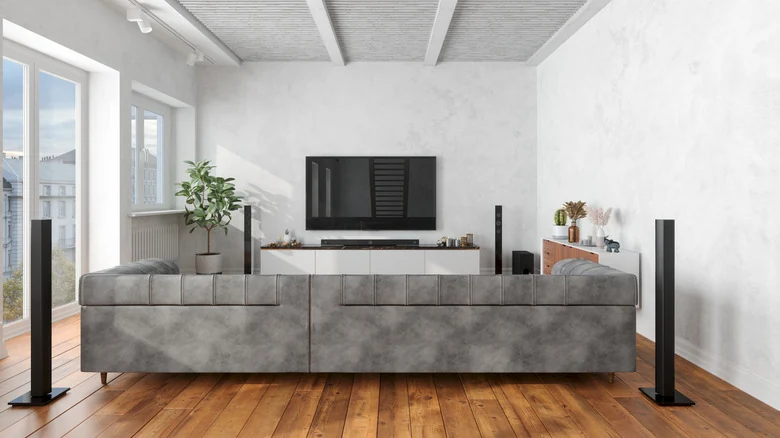
Achieving a premium audio experience depends heavily on how you position your speakers. For front channels, experts recommend keeping them about a foot away from back and side walls, while ensuring the distance between the speakers matches the distance to your primary seating area. Angling the speakers directly toward the listener is a crucial step that many users overlook, as documented in this guide on how to These Small Changes Can Improve Your Home Surround Sound In A Big Way.
For the center channel, which handles the majority of movie dialogue, the speaker should be placed directly above or below the television at ear level. In 5.1 systems, surround speakers should be positioned to the sides of the seating area, while 7.1 systems require additional speakers placed behind the seating position. Maintaining these specific alignments is vital for preventing sound quality degradation.
The Importance of Subwoofer Positioning
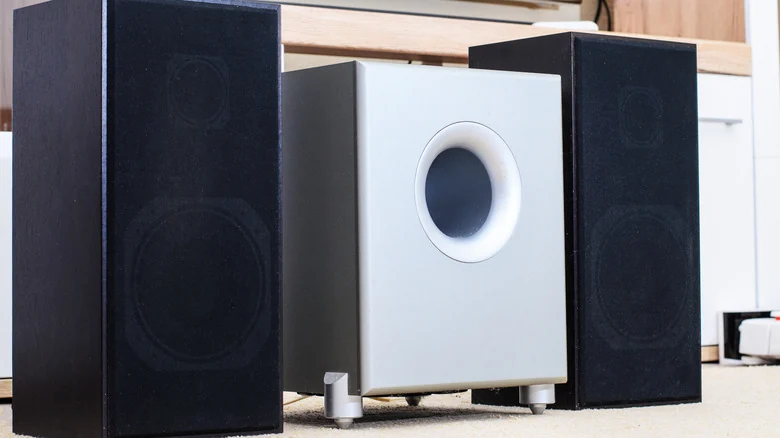
While speakers have specific directional requirements, subwoofer placement is more about where the unit sits within the room's architecture. Because subwoofers are omnidirectional, the physical angle of the unit matters less than its location. However, users must be cautious not to block the vents on ported subwoofers, as these need space to breathe to function correctly.
There is no universal solution for sub placement because every room features different dimensions and furniture layouts, which affect how bass frequencies travel. Testing the subwoofer in multiple spots is recommended to find the most balanced output. For those seeking more specific advice on this, there is additional information regarding the best direction to face subwoofer units.
Calibration and Software Settings
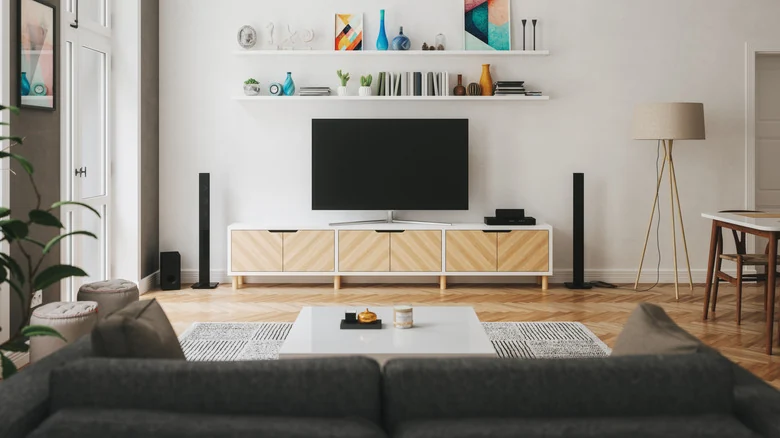
Calibration is frequently avoided because users assume it is a complex technical task. However, most modern AV receivers include automatic calibration software that uses test tones to measure room acoustics and apply corrective filters. For those who prefer a manual approach, sound level meter apps can be used to achieve similar results, ensuring the system is tuned to the specific constraints of the room.
Finally, users should verify their device settings. It is essential to check the audio decoding menu on connected sources to ensure the system is outputting high-quality formats like Dolby Digital or Atmos rather than defaulting to standard stereo, which does not utilize the full capabilities of a surround sound setup.
Sources
- EngadgetThese small changes can improve your home surround sound in a big way