Why the Mac Mini Costs Less Than a MacBook
A breakdown of the hardware factors, engineering choices, and component absences that keep the Mac mini's price tag lower than a MacBook.
 Radwan AbdulhadiEditor and technology writer
Base Configurations and Price Differences
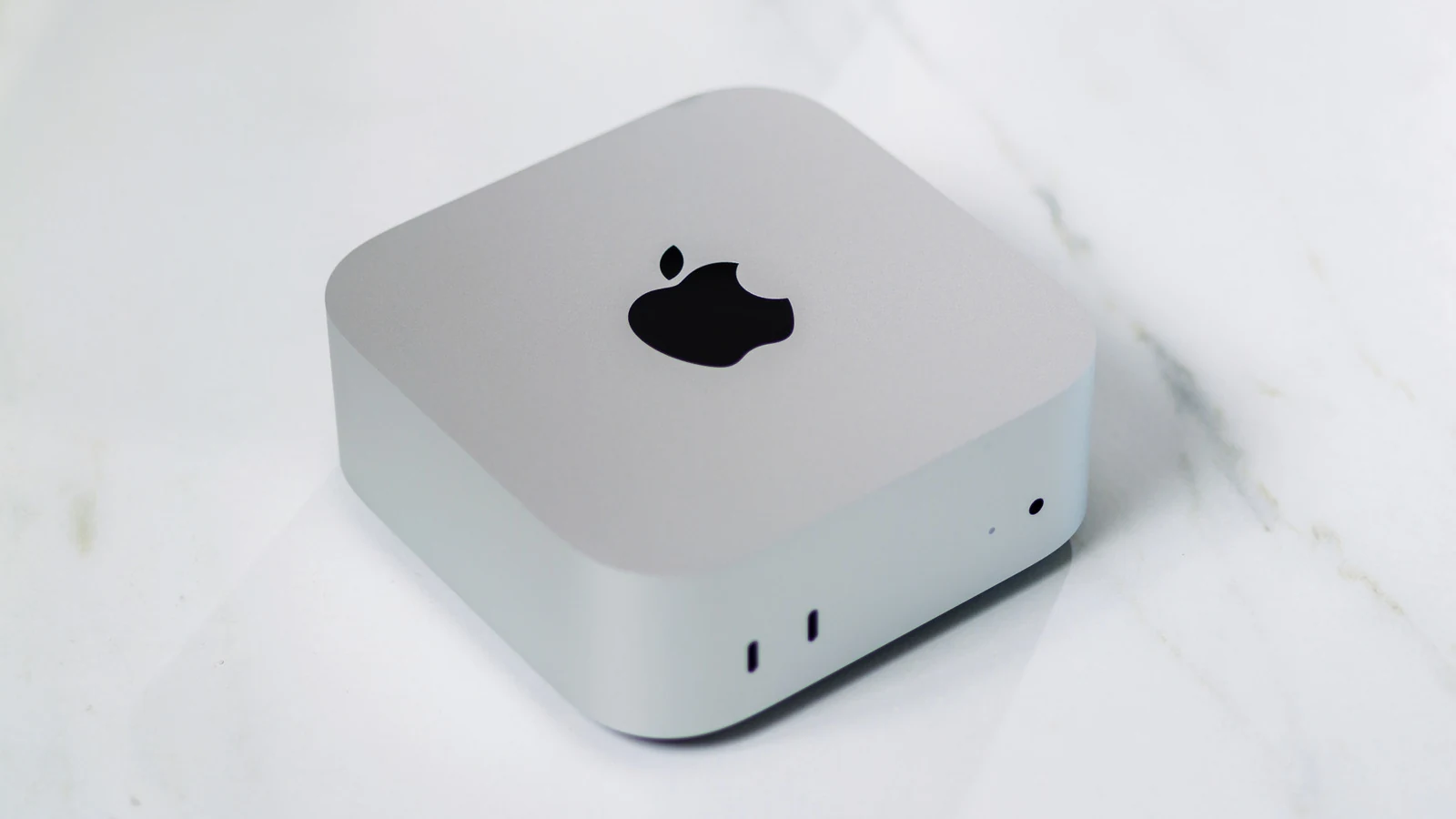
When comparing base configurations, the Mac mini has long been considered a notable deal in computing. For instance, consumers can purchase a Mac with Apple's new M6 processor for $900, offering processing power that far exceeds the demands of average daily applications like Safari or VLC, though heavier tasks like DaVinci Resolve or Resident Evil will push its capabilities further. Despite its strong performance value, the base mini's primary weak point is its 256GB of storage, which can fill up rapidly when syncing personal photo and video libraries.
In contrast, finding an affordable laptop within the ecosystem involves certain trade-offs. Shoppers can find a cheaper MacBook in the form of the Neo, though it comes with strict limitations such as 8GB of RAM and an A18 Pro processor. Meanwhile, moving up to the MacBook Air raises the price to $1,100 with an M5 chip and 16GB of RAM, while MacBook Pro models command much higher prices for those searching for budget-friendly alternatives.
The Impact of Omitted Hardware Components
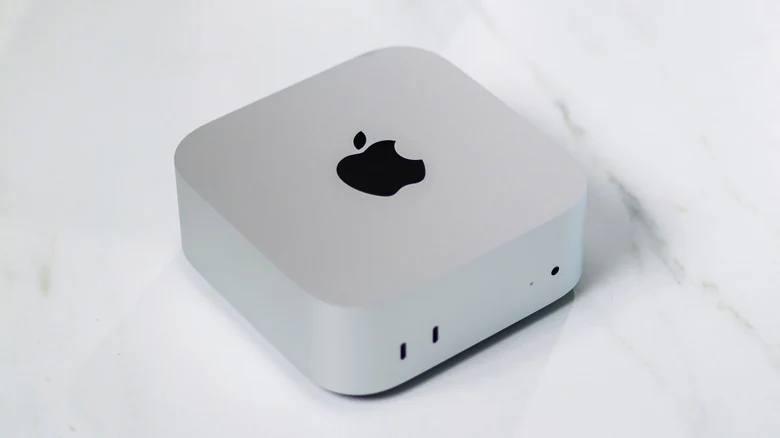
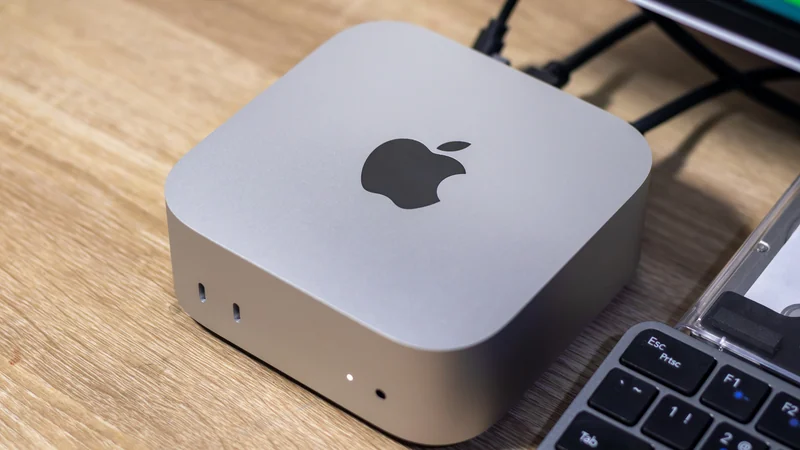
The price gap between the mini and MacBooks largely stems from what hardware is excluded from the desktop package. The most prominent cost-saving factor is the complete absence of a built-in display. While Apple does not publish official bills of materials, replacing a MacBook display can cost hundreds of dollars outside of AppleCare. Beyond the panel itself, manufacturing a laptop screen requires frames, hinges, and cabling. The Mac mini avoids these expenses entirely by shipping without a display or an embedded Center Stage camera.
Additionally, the mini ships without any input peripherals. There is no included keyboard, mouse, or trackpad. While these add-ons can be purchased relatively cheaply if users do not already own them, omitting them allows Apple to lower the device's manufacturing costs and sticker price. Furthermore, the desktop machine lacks a battery. Although lithium-ion battery packs are costly components—with MacBook battery service often priced between $150 and $250 including labor—the mini relies strictly on an AC power supply.
Fundamental Engineering and Desktop Advantages
Beyond missing peripherals, deeper engineering variations separate laptops from desktop hardware. Although the Mac mini incorporates some laptop-style components to maintain its compact form factor, it does not face the same strict requirements for extreme thinness, drop-resistance, or maximum power efficiency. Its cooling mechanism utilizes a large circular vent located at the base, an approach that would be impractical on a traditional laptop design. Because mobility and miniaturization are inherently expensive processes, desktop systems can achieve lower price points for equivalent internal computing power.
For users who already own a desktop monitor, keyboard, and mouse, or prefer working from a TV, the Mac mini represents a logical choice. It also holds a distinct connectivity advantage in a desktop setting by offering eight ports—including two USB-C and three Thunderbolt ports—whereas laptop users often need to purchase external docks to connect multiple accessories.
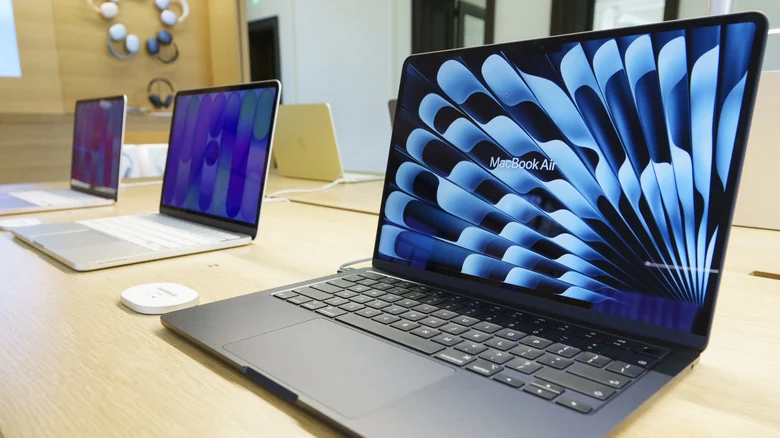
Weighing Value Between MacBooks and the Mini
For newcomers entering the ecosystem who require a complete mobile setup, a MacBook Air often provides superior practical value. Purchasing a laptop includes the display, keyboard, and trackpad directly out of the box, whereas buying separate high-end peripherals for a Mac mini can quickly match or exceed the total cost of a portable computer. Those who require high-end configurations for heavy workloads can also look into alternative desktop solutions such as a Mac Studio, which offers powerful M5 Max configurations starting at higher price brackets.
Sources
- EngadgetThe reason the Mac mini is cheaper than a MacBook
Continue chronologically

Related entity coverage
Related stories
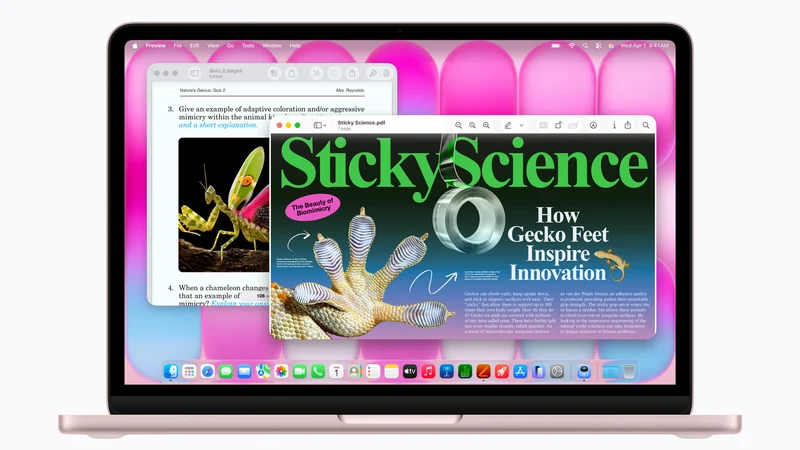
Why Is This the Only Pink MacBook Available Right Now?
Explore why Apple's vibrant color options remain scarce on higher-end laptops, leaving the MacBook Neo as the sole rosy hue in the lineup.
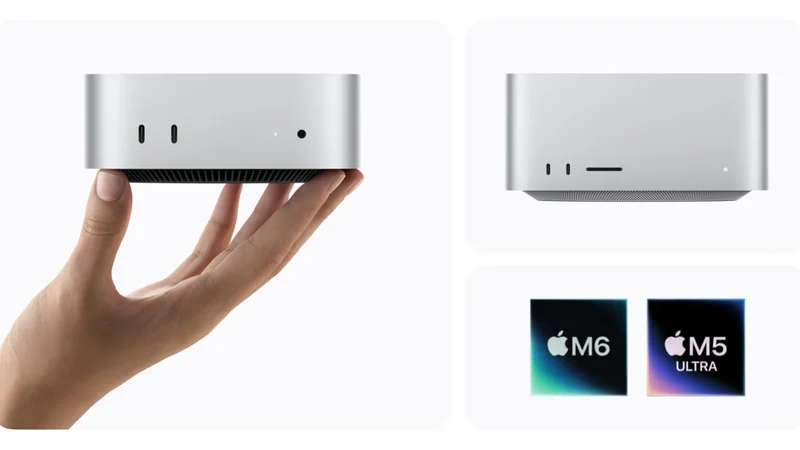
New Mac mini and Mac Studio Launch With M6 and M5 Chips
Apple has officially released the new Mac mini and Mac Studio, featuring powerful M6 and M5 silicon, advanced AI capabilities, and enhanced performance.
Apple Warns AI Agents Pose Risks with Full Disk Access
Apple is introducing new macOS safeguards after warning that AI agents requesting Full Disk Access expose user files, mail, messages, and browsing history.
Upcoming Touchscreen OLED MacBook Pro Will Be Lighter
The upcoming touchscreen OLED MacBook Pro is reportedly significantly lighter due to interior component redesigns and miniaturization.