Pope Leo Calls For AI Disarmament And Weapons Ban
In a recent address, Pope Leo XIV called for the disarmament of artificial intelligence systems and urged international cooperation to ban lethal autonomous weapons.
 Radwan AbdulhadiEditor and technology writer
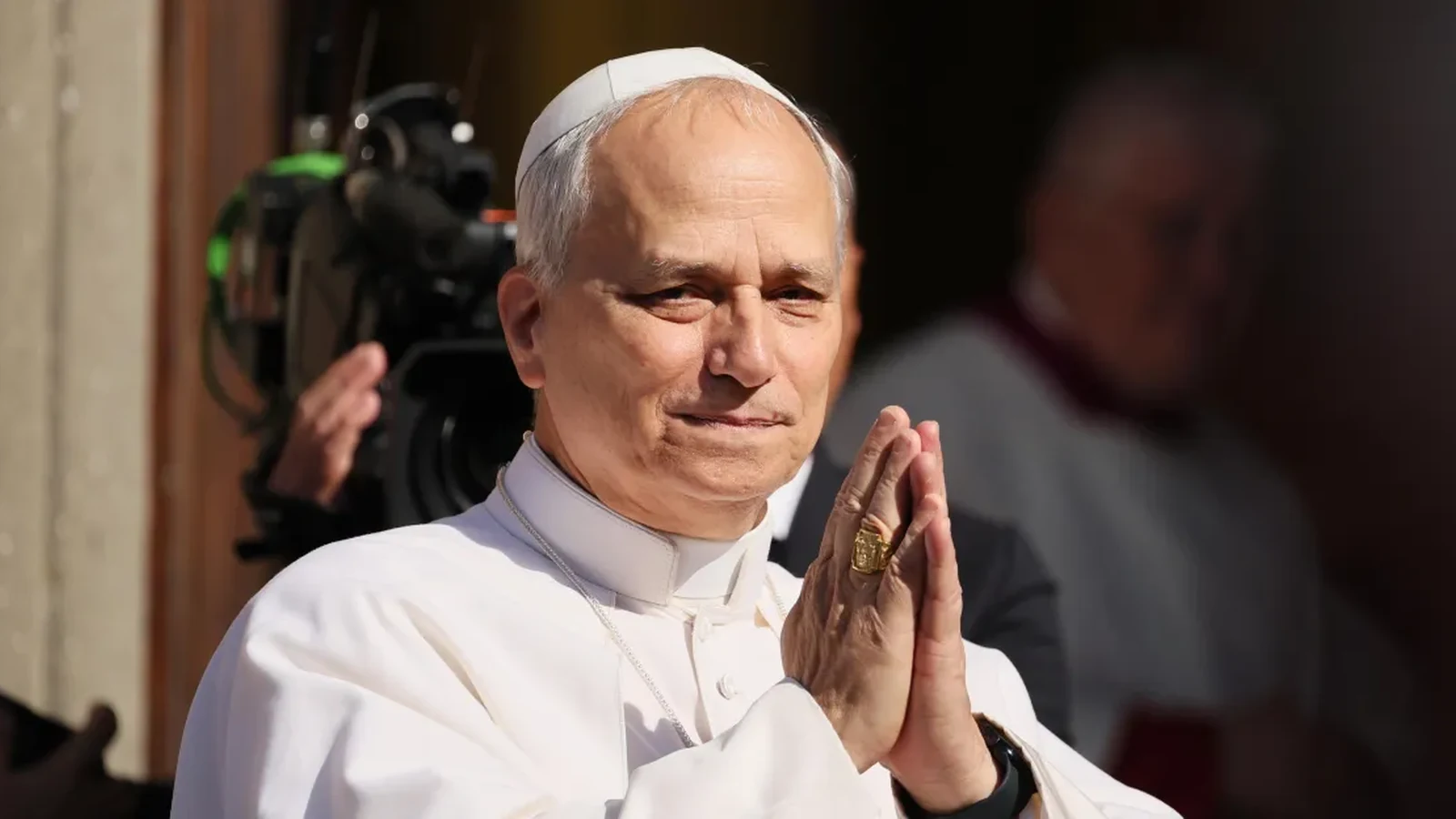
Pope Leo Calls for AI Disarmament
Pope Leo XIV has issued a strong call for the disarmament of artificial intelligence systems, emphasizing that human beings retain the ultimate responsibility to guide, modify, and reject technological applications when necessary. During his Friday address, the pontiff addressed the rapid evolution of digital intelligence and the profound ethical challenges it poses to global society.
The remarks build significantly upon foundational principles previously established by the Vatican. Detailed insights into these positions can be reviewed via reporting on [The Verge](https://www.theverge.com/ai-artificial-intelligence/1023188/pope-leo-disarm-ai), which outlines the comprehensive scope of the papal statements regarding modern technology and ethical governance.
Targeting Lethal Autonomous Weapons
A central focus of the recent address involves military applications of emerging technologies. Pope Leo explicitly encouraged United Nations member states to take concrete steps toward banning lethal autonomous weapons during their upcoming meeting in Geneva next month. The Vatican seeks proactive international frameworks to prevent automated systems from making unmonitored decisions regarding warfare and human survival.
This stance continues a sustained diplomatic and moral effort by the Holy See. Observers note that Pope Francis similarly called for a ban on autonomous weapons during his tenure, asserting that no machine should ever possess the authority to choose to take the life of a human being.
Machines Are Tools, Not Persons
Expanding on theological and philosophical boundaries, Pope Leo reminded participants that machines are tools, not persons. He issued clear warnings against granting artificial intelligence systems any form of legal rights or legal personhood. According to the pontiff, decisions that directly affect human life, fundamental freedoms, and the deployment of state force must remain subject to effective, informed, and responsible human oversight at all times.
The necessity of preserving human agency has been a prominent theme throughout his papacy. This perspective was previously articulated in detail when Pope Leo outlined his vision for maintaining authentic human values amidst automated transformation.
Echoes of Early Papal Documents
Friday's address directly reflects many of the foundational ideas Pope Leo laid out in his first major papal document released in May. That document heavily highlighted safeguarding the human person in the time of artificial intelligence, drawing considerable attention from technology industry leaders, labor advocates, and global policymakers alike.
The ongoing discussions surrounding automated intelligence have transformed the subject into a popular topic for the current pontiff. Commentators have observed interesting parallels regarding how the Vatican approaches industrial transformations across different centuries.
Historical Parallels and Industry Reactions
Industry analysts and Vatican watchers have frequently discussed the unique context surrounding the papal name. Observers noted that Pope Leo deliberately chose his name because he must confront unprecedented advances in technology—comparable to how Pope Leo XIII presided over the Catholic Church at the exact forefront of the Industrial Revolution.
While major tech corporations pursue advanced autonomous capabilities, industry reactions to papal encyclicals have varied widely. Analysts have observed that the Vatican's cautious approach contrasts sharply with the aggressive commercial timelines pushed by Silicon Valley developers.
International Safeguards and Accountability
To conclude his address, Pope Leo called upon international institutions to actively safeguard the common good from emerging artificial intelligence risks. He advocated for shared technical standards, independent oversight bodies, and clear mechanisms of accountability.
These measures are deemed necessary so that decisions concerning the development and deployment of digital systems can be rigorously examined, challenged when necessary, and accompanied by appropriate remedies for any harm caused to individuals or communities.
Sources
- The VergePope Leo calls for the disarmament of AI: ‘Machines are tools, not persons’
Continue chronologically


Related stories
How the 2026 Super El Niño and Climate Change Are Related
Explore how scientists are analyzing the unprecedented 2026 super El Niño event and its complex relationship with global climate change.

Google and UN launch searchable global data platform
Google and the UN system have launched an open platform that combines global statistics and lets users search trusted data in plain language.

Federal Judge Calls Flock Search Unconstitutional
A federal judge ruled a sheriff deputy's warrantless Flock search violated Fourth Amendment rights, describing it as mass surveillance.
Reddit Tests In-App Search Ads Amid Declining Google Traffic
Reddit is beginning to test in-app search ads to monetize high-purchase intent as search traffic declines due to Google's AI-powered search.