
Why Keeping Your Phone Apps Updated Matters For Security
While modern smartphones feature automatic updates, checking your apps manually every so often remains crucial for maintaining security and stability.
 Radwan AbdulhadiEditor and technology writer
The Limits of Automatic Updates
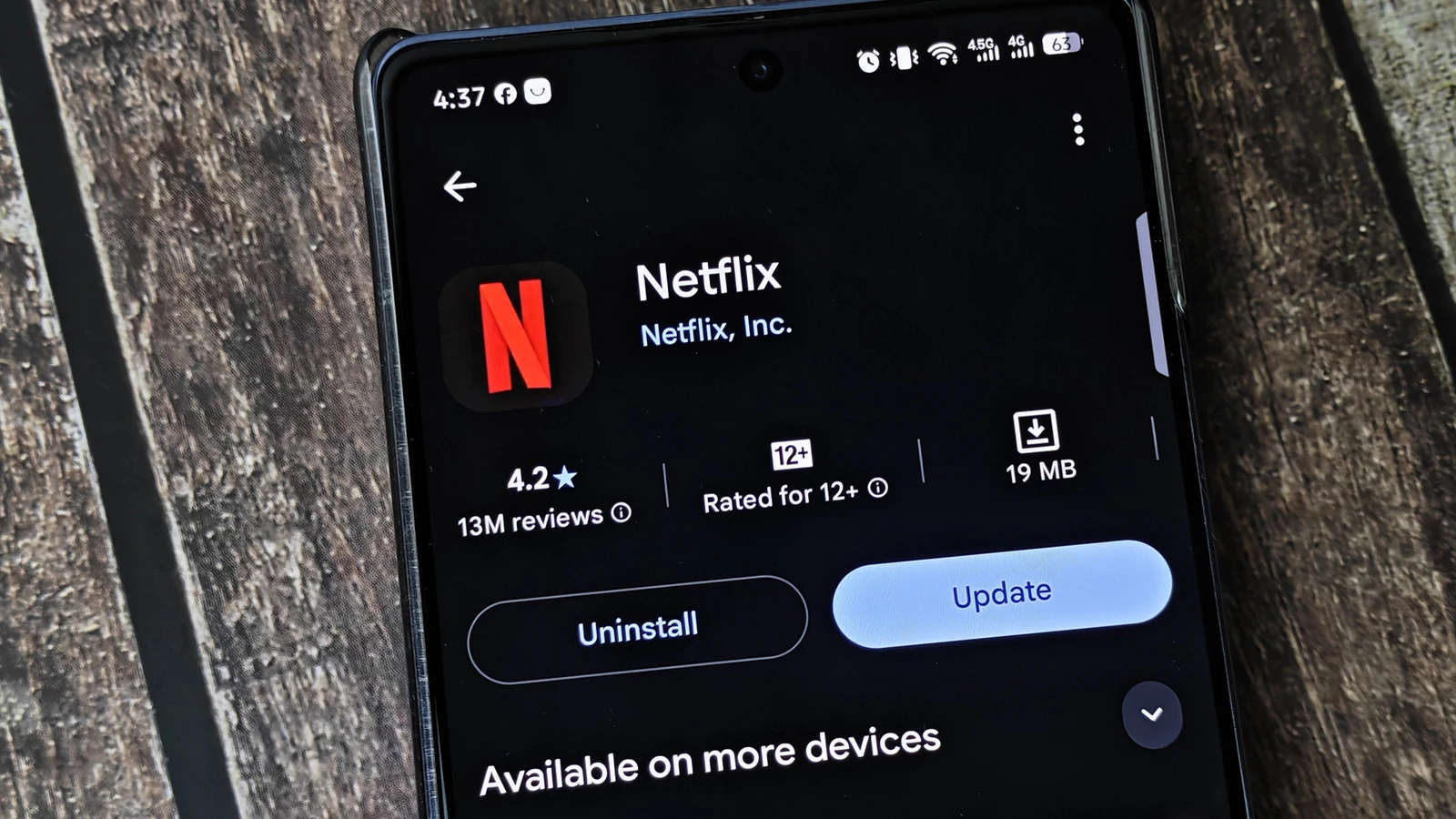
Modern smartphone operating systems are designed to automatically update your apps without you noticing. While you can configure automatic app updates directly through your device settings, you should not fully rely on them.
Updates can occasionally get stuck or fail. For instance, users sometimes encounter situations where they have to manually update Android Auto. Because auto-updates do not always reach your device the second they become available, pairing automatic updates with occasional manual checks ensures your software runs as it should.
New Features and Interface Changes
The most obvious change when you update an app involves new layouts, moved buttons, expanded libraries, or added features. While social media apps change constantly, shopping or utility applications might only change once or twice a year.
Skipping updates means missing out on newly released capabilities. Users who neglect updates will miss tools like leaving notes on Spotify songs, smarter playback options in podcast apps, fresh tracks in the Nintendo Music app, or new educational courses.
Although updates occasionally introduce drawbacks—such as taking away functionality or altering a preferred setup—developers of active apps typically fix widespread issues quickly.
Patching Security Vulnerabilities
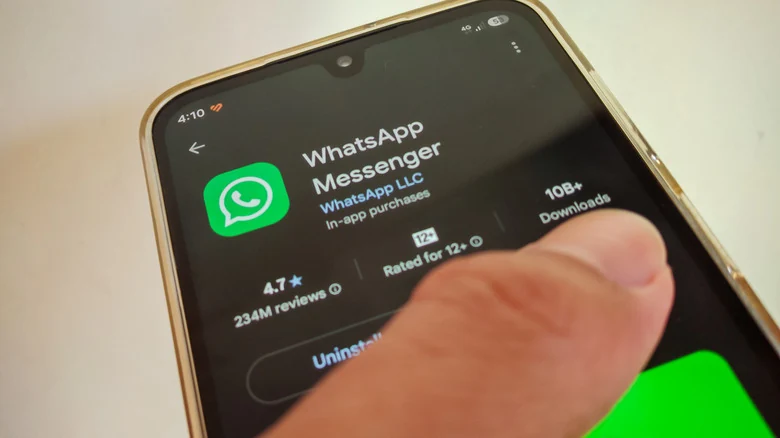
Patching security vulnerabilities serves as the most critical reason to update apps. Security flaws in applications can potentially open up your device or the information stored within the app to external attacks.
This security concern is often more prominent on Android devices, whereas iOS isolates apps more strictly. However, historical exploits have targeted iPhone apps, such as historical security flaws involving making calls without your permission.
Furthermore, an exploit was discovered in Zoom's apps that let individuals take full control of other people's devices during a call. Because attackers gain more time to craft exploitation plans the longer a security issue remains public, installing the latest patches prevents your device from becoming a target once bad actors figure out how to cause damage.
Compatibility, Bug Fixes, and Performance
Beyond brand-new functionality, updates frequently bring performance enhancements to existing apps. Developers regularly simplify codebases to streamline performance, fix bugs that cause crashes, and make applications easier on battery life.
Operating system compatibility is another major reason to maintain updated software. When a new version of Android or iOS rolls out, developers must ensure their apps run properly on the updated platform. For example, when Uber added Live Activities to its iOS app, those features were only accessible after installing the latest version.
Some applications may even refuse to run entirely until you install the latest version. Updating regularly prevents your favorite apps from failing unexpectedly when you are traveling or lacking an active internet connection.
Sources
- EngadgetHere's why it's important to keep your phone apps updated
Continue chronologically
Related entity coverage
Related stories
Google Confirms Android Auto Updates and Fixes for Media Apps
Google has recapped several recent Android Auto updates and fixes for media apps, confirming that the divisive squiggly line design is here to stay.

How to Join a FaceTime Call from Android or Windows Devices
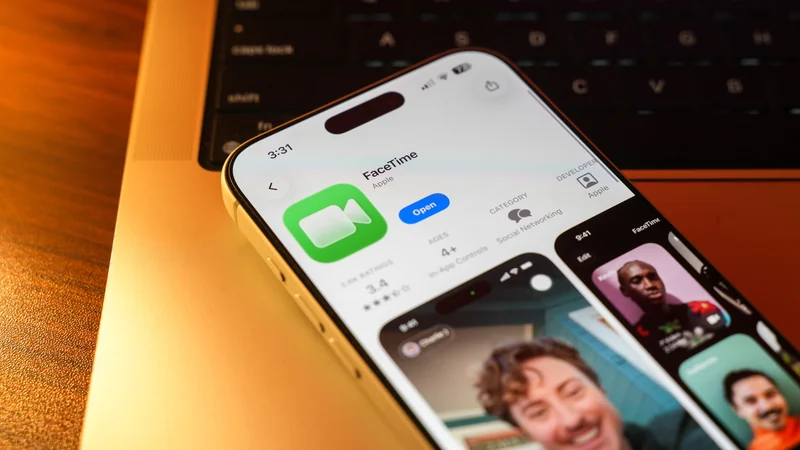
Learn how to join FaceTime calls on Android or Windows devices using a web browser, even without an Apple account or an Apple device of your own.
Google Confirms Fix for Missing Android Auto Signal Icon
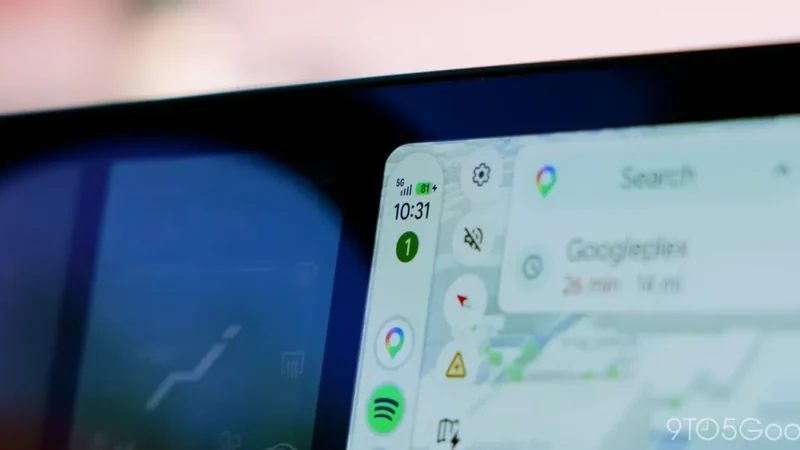
Google has officially confirmed that a fix is rolling out to address the missing cellular signal icon issue on Android Auto displays.
Google Launches Android Motion Assist to Combat Motion Sickness
Google has officially launched Motion Assist for Android, bringing moving shapes to screens to help passengers combat motion sickness while riding in cars.