A Guide to Starlink Dish Options for Every Setup
Starlink's expanded selection of satellite dishes caters to various applications, ranging from fixed residential locations to mobile off-grid setups.
 Radwan AbdulhadiEditor and technology writer
Understanding Starlink's Dish Selection
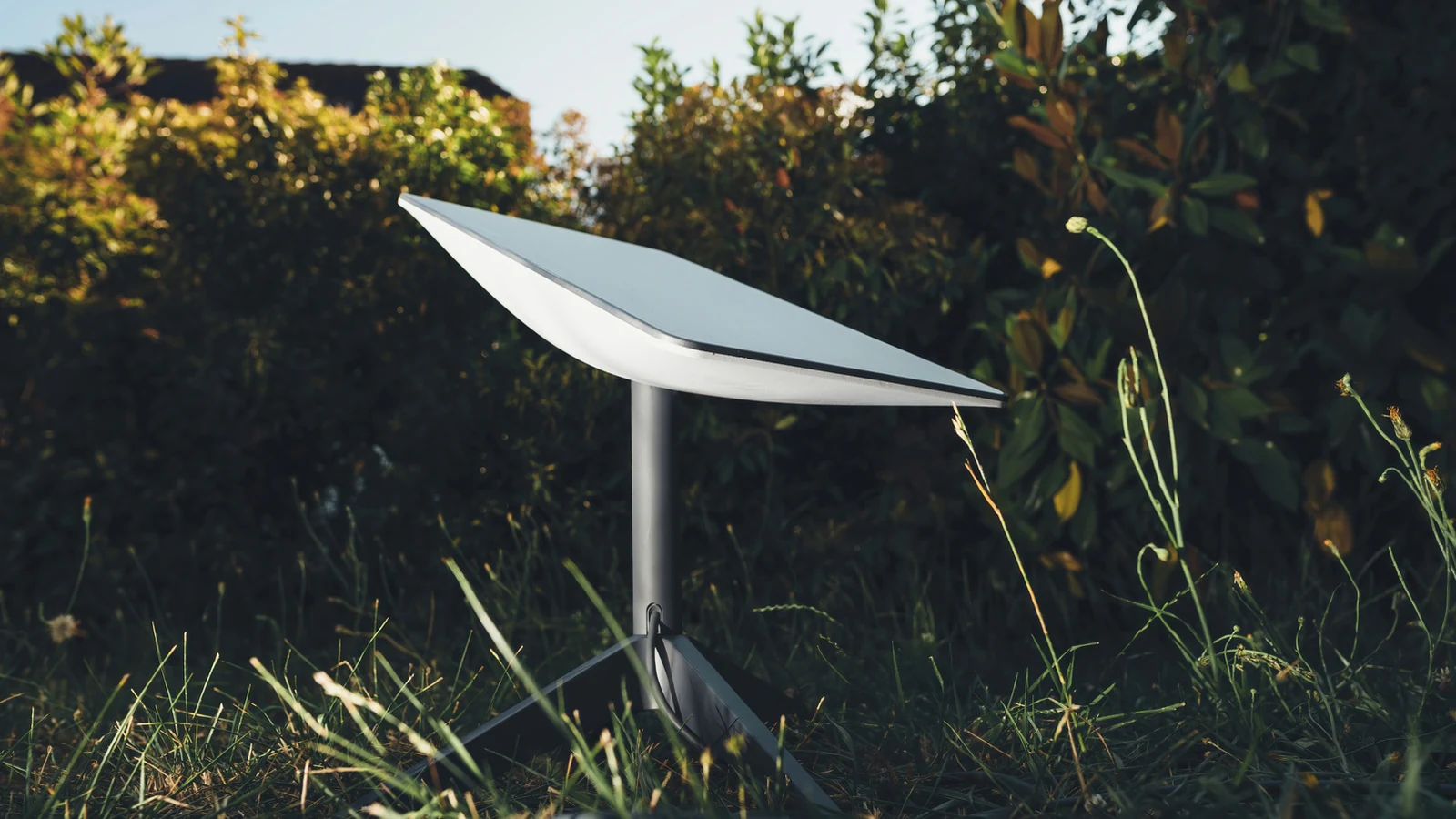
For years, getting Starlink meant purchasing whatever hardware the company happened to be selling at the time, regardless of specific user requirements. Today, that approach has shifted significantly. Starlink now offers a diverse lineup of satellite dishes designed to accommodate everything from a rural residential home to a moving RV, boat, or remote worksite.
Selecting the right dish involves balancing factors like portability, durability, performance, and whether internet connectivity is required at a fixed location or on the move. While the cheapest option might look appealing, it may not always fit every application, and the most expensive hardware can easily turn out to be unnecessary.
The Residential Standard: V4 Dish
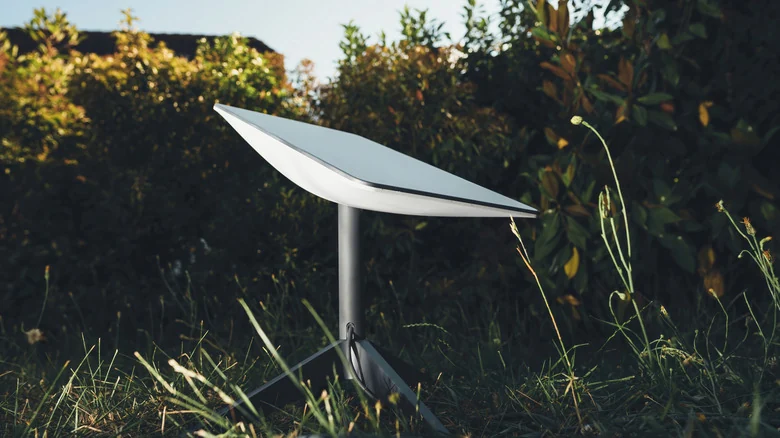
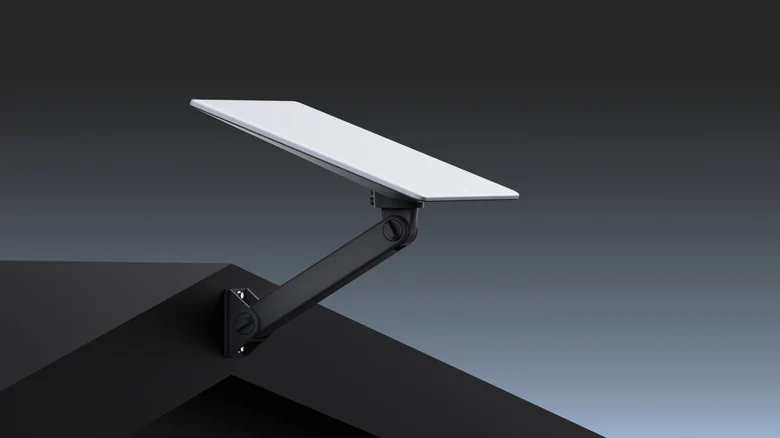
For most everyday residential needs, the V4 dish found in the Standard 4 and 4 X kits serves as the primary starting point. Positioned for routine activities like streaming, video calls, and online gaming, the hardware continues the company's design evolution away from older circular hardware, mirroring the form factor introduced when Starlink's rectangular satellite broadband dish first launched as a lighter alternative.
The V4 features a rectangular terminal measuring approximately 23.4 by 15 inches, weighing 6.4 pounds, and offering a 110-degree field of view. Because it lacks a built-in motor, it relies on software-assisted manual orientation. While the Standard 4 kit ships with the Router Mini, the Standard 4 X includes the newer and faster Router 3, alongside a kickstand, power supply, and connecting cables.
The Newer, Smaller Starlink V5 Home Dish
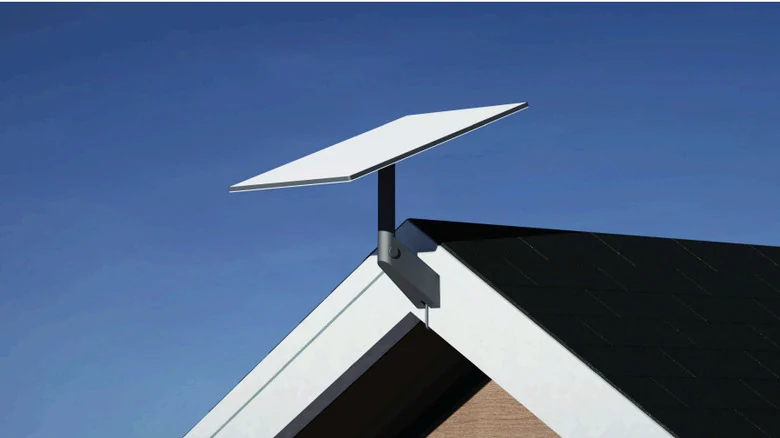
For users setting up fixed home internet in supported regions, the Starlink V5 introduces a more compact residential footprint. Although it does not offer a performance upgrade over the previous generation, Starlink's V5 home dish is smaller and more energy-efficient than its predecessor, measuring about 15.1 by 12 inches and weighing just 2.4 pounds.
The hardware reduction also brings lower power consumption, drawing an average of 35 to 50 watts compared to the 75 to 100 watts required by the V4. The primary tradeoff lies in peak download speeds, which reach up to 375 Mbps for the V5 versus 400+ Mbps for the V4. As production scales, it is currently shipping in select areas alongside a Router Mini, a kickstand, a pipe adapter mount, and a 15-meter cable.
Portability on the Go with the Starlink Mini
Users requiring internet access while traveling often look to the Starlink Mini as a compact, portable kit built for high-speed, low-latency connectivity. Measuring 11.75 by 10.2 inches and weighing roughly 2.4 pounds, the hardware features a built-in Wi-Fi router to eliminate the need for carrying a separate network box.
Operating on an average power consumption of 20 to 40 watts, the Mini can even be powered using a compatible USB-C power source via an optional cable. Offering download speeds of up to 300 Mbps, it operates independently of a fixed residential subscription, making it a popular choice for camping trips, road journeys, and off-grid environments.

Performance and Mobility Options
Beyond standard residential and portable kits, Starlink offers specialized hardware for demanding environments and moving vehicles. The Performance (Gen 2), formerly known as the Flat High Performance Kit, features a wider 140-degree field of view and enhanced GPS capabilities designed to maintain connectivity on moving RVs and rocking boats.
Meanwhile, the Starlink Performance (Gen 3) is engineered for extreme weather, remote areas, and challenging outdoor installations. Featuring an IP69K environmental rating, it withstands water, dust, and high-pressure cleaning while operating in temperatures ranging from minus 40 to 140 degrees Fahrenheit. With peak throughput reaching up to 475 Mbps for downloads and 75 Mbps for uploads, these heavy-duty dishes cater to specialized professional and mobile applications.
Sources
- EngadgetEvery Starlink Dish Available: How To Know Which Setup May Be Right For You
Continue chronologically


Related stories
Decluttering USB Gadgets and Dongles Can Fix Bad Wi-Fi
Struggling with slow wireless speeds? Discover how clearing out crowded USB devices, dongles, and peripherals can help improve your home network.

Ethernet Cables Can Do Much More Than Just Connect to a Router
Discover how category cables can transmit video, audio, and power when paired with the right adapters, offering more than just home internet.

Understanding Audio Amplifiers and Sound System Quality
Explore what audio amplifiers do, how they impact your sound system quality, and whether you actually need a separate unit for your home theater.

When is it worth getting a sound card for your PC?
Discover whether adding a dedicated sound card to your PC is still worth it for gaming, spatial audio, lossless formats, and professional production.