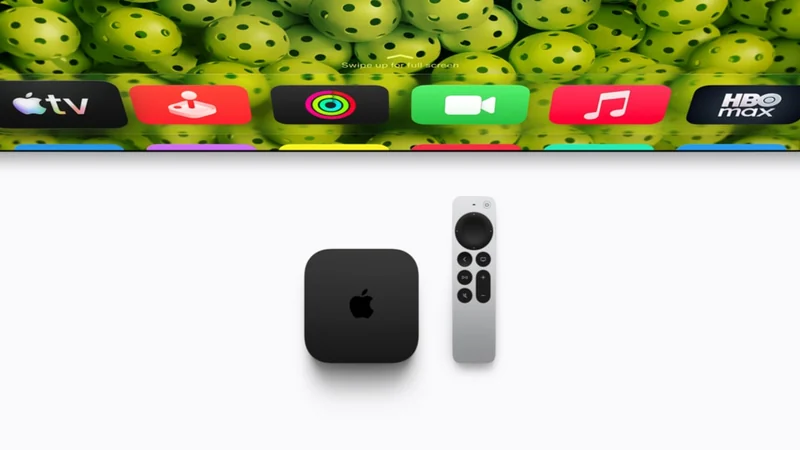
Apple Announces Fourth-Gen Apple TV 4K Priced at $300
Apple has announced the fourth-generation Apple TV 4K, bringing a hefty $300 price tag and a range of new hardware updates, while leaving out several requested home theater features.
 Radwan AbdulhadiEditor and technology writer
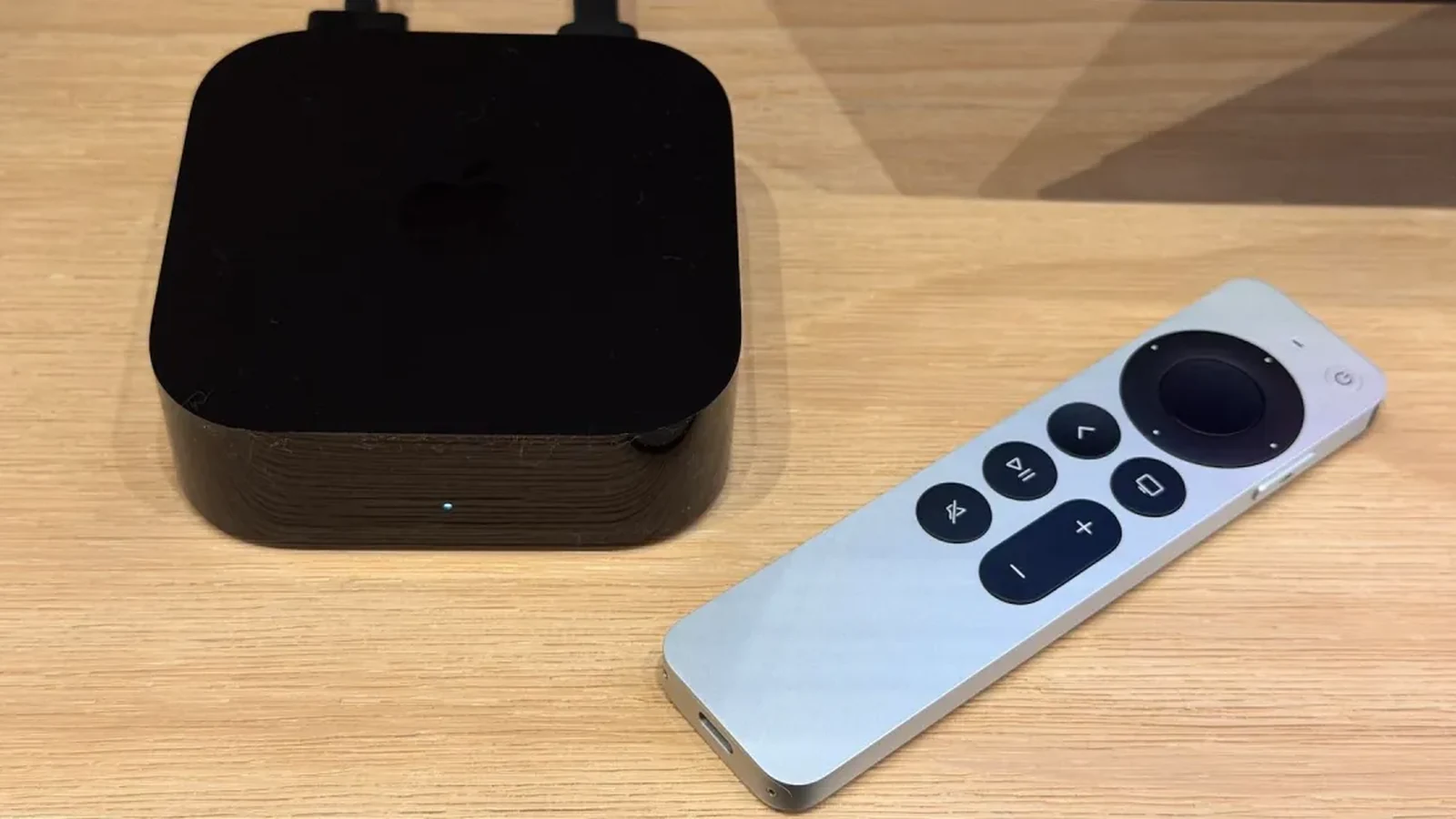
Fourth-Generation Apple TV 4K Launch
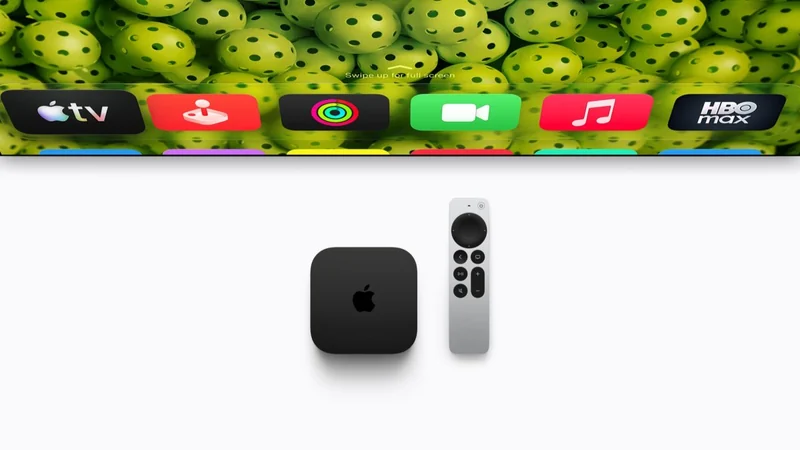
Apple has officially announced the fourth-gen Apple TV 4K, marking the first update to the streaming box lineup in four years. The new streaming device arrives with a very premium price tag, as Apple has eliminated the cheaper 64GB Wi-Fi-only model to leave just a single 128GB Wi-Fi and Ethernet configuration priced at $300. This hefty price positions the hardware well above major competing streamers on the market, which typically cost half as much or less.
The announcement was part of a broader set of company updates detailed during Apple's latest hardware showcase, as covered extensively in regional and industry reporting on All the news from Apple’s ‘Welcome Home’ event. While previous iterations like the 2022 Apple TV 4K established the box as a powerful media player, the new pricing strategy places increased scrutiny on what the upgraded hardware actually delivers.
New Hardware Features and Upgrades
The new streaming box includes several notable hardware additions designed to improve day-to-day usability. It features more processing power alongside Find My support, which helps locate the remote when it gets lost in furniture cushions. Additionally, the device incorporates built-in far-field microphones for interacting with Siri directly from the unit, provided the box is not stored inside an enclosed cabinet.
Another prominent upgrade is the inclusion of a dedicated AV1 decoder. This addition enables higher-quality video streaming from compatible applications such as Netflix, offering tangible improvements for streaming content over supported network connections.
Omission of Advanced Home Theater Features
Despite the high-end price tag, the fourth-generation model omits several features that home theater enthusiasts have requested for years. Chief among these is audio passthrough. Without audio passthrough, the streaming box handles decoding internally rather than allowing a separate audio/video receiver to process the raw audio stream, a limitation that can cause some playback issues.
Furthermore, the streaming device does not support 120fps video output. Such a feature could have benefited users who use Moonlight to stream games to it, setting the device apart from competitors that typically cap output at 60fps and potentially expanding Apple's footprint in TV gaming.
Audio Ecosystem Integration and Market Position
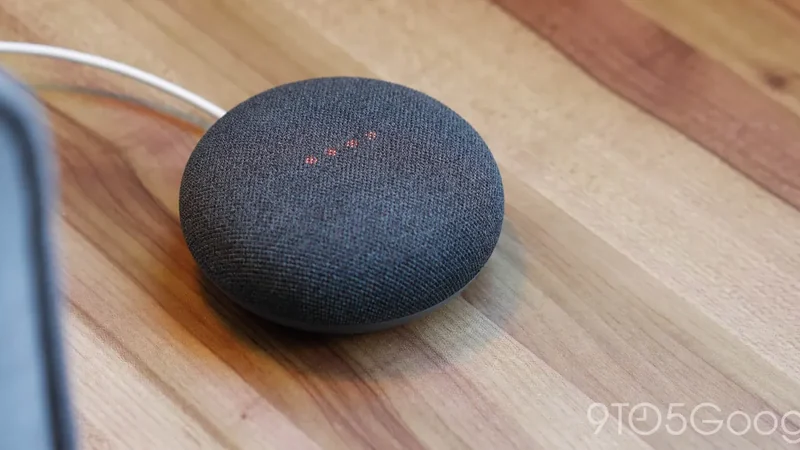
To build out immersive home audio, Apple has introduced the capability to create surround sound configurations using matching pairs of HomePod 2 and HomePod Mini 2 smart speakers. While this offers an ecosystem-integrated alternative to brands like Sonos or Bose, users who have already invested in dedicated traditional surround sound speaker setups may find little incentive to replace their existing hardware.
The absence of additional high-end ports, such as an HDMI input for passthrough or a digital optical out, leaves the device in a complex market position. While casual consumers may hesitate at the $300 price point when alternative streaming hardware is available for a fraction of the cost, enthusiasts weigh the premium price against the omission of niche home theater capabilities.
Sources
- The VergeAs a TV enthusiast, I was hoping for more from the Apple TV 4K
Continue chronologically
Related entity coverage
Related stories
Apple Launches $299 Apple TV 4K With Siri AI
Apple's new $299 Apple TV 4K adds Siri AI, hands-free voice commands, a speaker-equipped remote and support for four HomePod speakers.
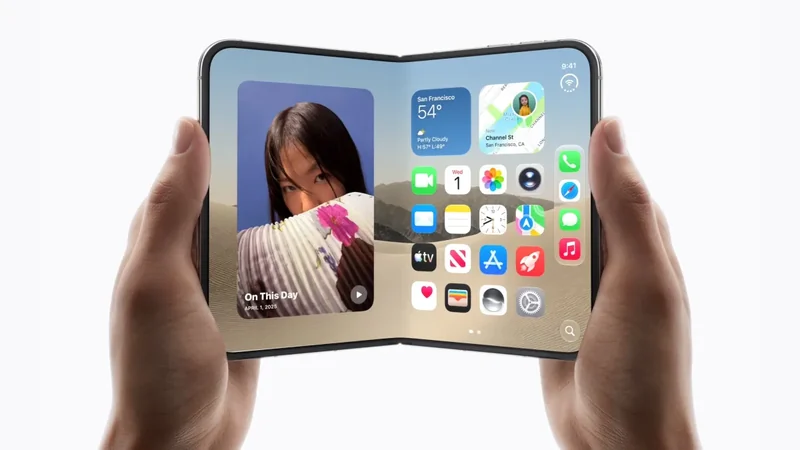
Clever Apps Highlight Apple’s iPhone Duo Potential
Explore how developers are leveraging Apple's first foldable device, the iPhone Duo, with creative applications designed for dual screens.
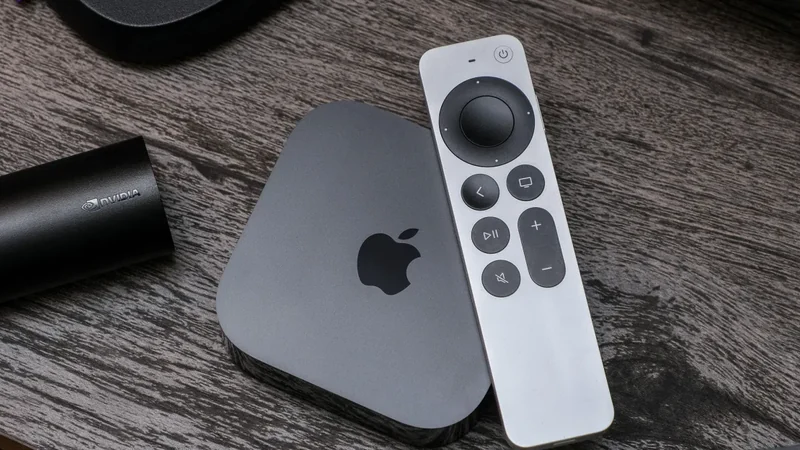
New Apple TV Refresh Rumored With Built-In Mic And Speaker Remote
According to the latest rumors, an overdue Apple TV refresh could feature a built-in microphone for Siri and an upgraded remote equipped with a speaker.
Apple Unveils New Apple TV 4K Powered by Siri AI
Apple has announced the next-generation Apple TV 4K featuring Siri AI, built-in far-field microphones, and expanded HomePod surround sound support.