Windows 11 Marks Five Years Since Official Release
As Windows 11 marks five years since its initial launch, the operating system continues to dominate the desktop landscape despite years of user friction and controversial updates.
 Radwan AbdulhadiEditor and technology writer
Five Years of the Operating System
Microsoft's latest operating system officially marked its fifth anniversary, having first arrived on <a href="https://www.tomshardware.com/news/windows-11-and-office-2021-release-together">October 5, 2021</a>. Over the past half-decade, the platform has generated numerous headlines, frequently concerning the friction and hurdles placed in front of users.
Following the relative success and stability of its predecessor, <a href="https://www.tomshardware.com/tag/windows-11">Windows 11</a> misstepped in several unexpected ways upon debut. Market observers noted that Microsoft's creative misreading of the market generated persistent challenges for consumers and enterprise environments alike.
Early Hardware and Account Controversies
At its initial release, the most prominent issue facing the operating system was its strict CPU and hardware requirements, which sought to force many capable machines into premature retirement. This issue churned for months as technical communities worked around system files to bypass minimum system requirements while Microsoft adjusted its policy stance.
Another early controversy involved Microsoft's insistence on forcing users to set up the operating system using an online Microsoft account, systematically cutting off avenues to avoid it. While Microsoft defended the online account requirement as a benefit providing OneDrive backups, cross-device synchronization, and enhanced security features, critics highlighted its role as a commercial vehicle for selling digital goods and services.
The AI Era and Copilot+ Push
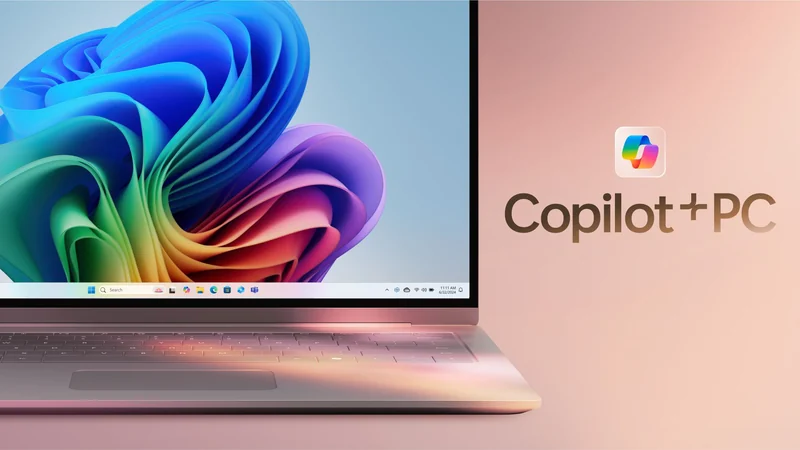
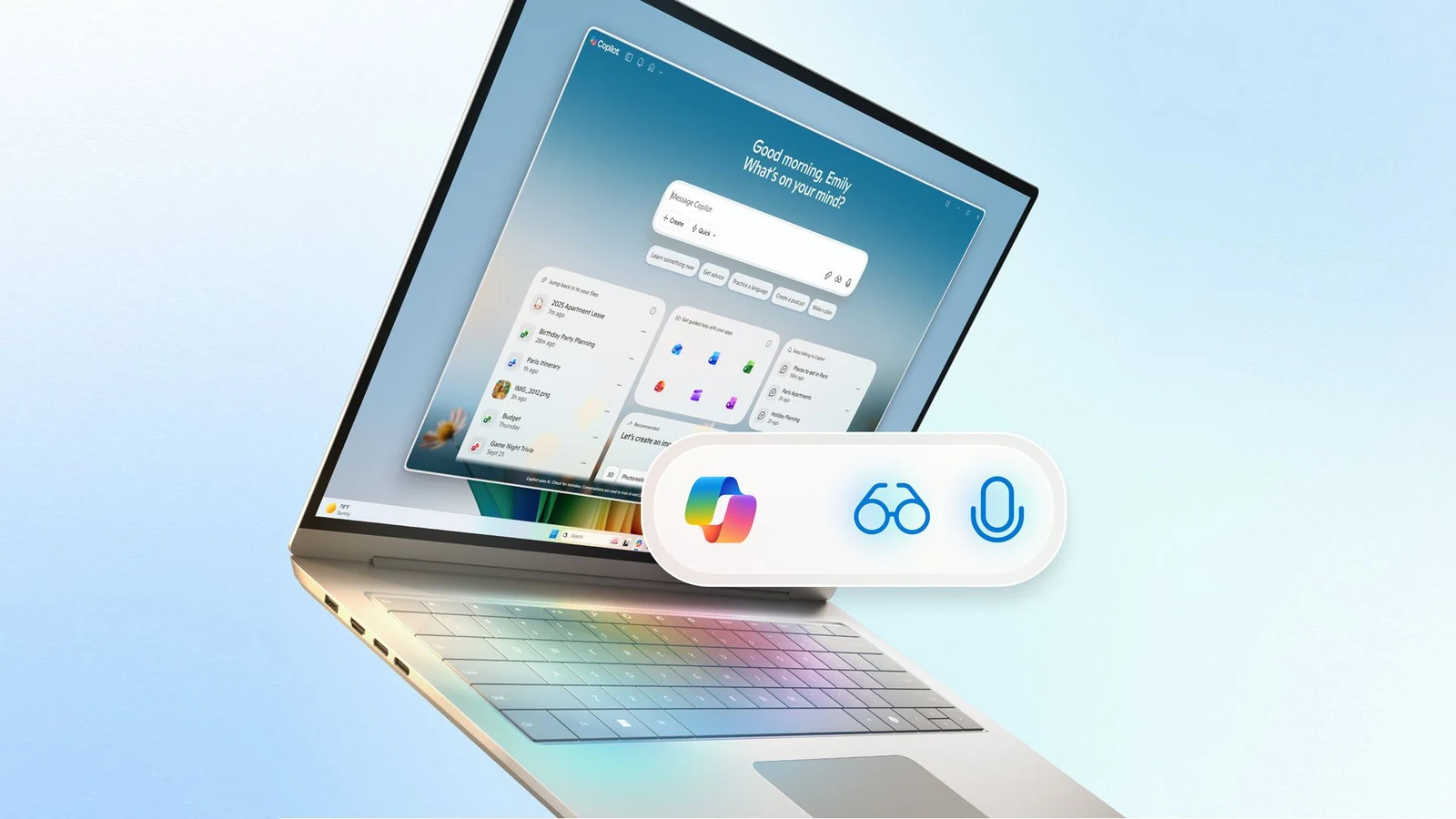
Although the software landscape had settled somewhat by 2024, Microsoft introduced fresh friction with the arrival of the Copilot+ PC era. While demonstrating foresight regarding the growing importance of artificial intelligence, the rollout included major missteps, most notably security and privacy scares surrounding the AI-centered Windows Recall application.
The challenges surrounding Copilot+ PCs culminated when Microsoft and its OEM partners quietly phased out the dedicated branding. Built-in AI features were subsequently de-emphasized in favor of cross-platform agentic models.
Shifting Focus to Foundational Productivity
During the spring, company executives publicly acknowledged that users rely on the operating system primarily as a foundational base for daily productivity and gaming rather than a standalone AI destination. Consequently, leadership pledged to optimize the platform for everyday utility.
Microsoft began dangling the prospect of faster built-in applications, reduced memory consumption, and other core resource optimizations to improve the standard user experience.
Current Market Position and Recent Updates
Amid these historical controversies and recurring bug fixes, adoption rates for the operating system remain exceptionally high. Industry tracking indicates that Windows commands roughly 76% of all desktop and laptop computers.
Looking at the distribution among Microsoft ecosystems specifically, the platform holds nearly 72% of the market share, while older versions continue to decline. Meanwhile, the recent deployment of the 26H2 update arrived with explicit promises from Microsoft to deliver a predictable and low-disruption upgrade path for consumers.
Sources
- Tom's HardwareWindows 11 was released five years ago today
Continue chronologically


Related entity coverage
Related stories
How to Set Up and Use Xbox Mode on Your Windows 11 PC
Learn how to activate and navigate Xbox mode on Windows 11 to create a controller-friendly, gaming-focused interface for your PC library.
Microsoft Windows KB5124010 Update Crashes Games and Apps
Microsoft confirms that the September 2026 Windows 11 preview update KB5124010 causes crashes in applications using AC-3 audio decoding.
Why Windows 11 Always Uses So Much RAM
Discover why Windows 11 uses a high percentage of your RAM, how memory management works, and when high usage actually signals a real computer issue.
Microsoft Quietly Drops Copilot+ PC Branding on New Laptops
Microsoft has quietly stepped away from using Copilot+ PC branding on its latest laptops, despite the new hardware meeting previous requirements.