
Cloudflare Launches Competition to Build the Next Git Platform
Cloudflare is hosting a competition challenging developers to design a new Git platform tailored for an era dominated by AI agents.
 Radwan AbdulhadiEditor and technology writer

Building the Foundation for AI Agents
GitHub was originally built for a world where human developers write code, organize it into repositories, and collaborate through manual branches, commits, issues, and pull requests. However, the next generation of software development is poised to look fundamentally different because code is increasingly being written by agents. AI agents are already fixing bugs, building features, writing tests, reviewing changes, and updating dependencies to keep applications running.
In a workflow where hundreds or thousands of agents work on the same codebase simultaneously, traditional foundations face new challenges. Developers need to understand how agents coordinate work, handle conflicting changes, review outputs, and track the reasoning behind each alteration. To help answer what the next GitHub looks like, Cloudflare is hosting a competition to see who can build the next platform using its programmable primitives.
Artifacts Open Beta and Core Capabilities
Earlier this year, Cloudflare launched Artifacts, a versioned filesystem that speaks Git and scales to millions of repositories. Designed as a set of programmable primitives, Artifacts provides the foundational repositories that can be created and forked programmatically, versioned storage for code and agent context, and standard Git operations that agents already know how to use.
Since the initial release, developers have used Artifacts in diverse scenarios. Vibe-coding platforms utilize it to store user-created projects, while other developers persist code and context from agent sessions or establish isolated repositories for concurrent multi-agent work. Artifacts is now officially in open beta for customers on the Workers Paid plan, with billing for usage scheduled to begin on October 15, 2026.
New Features Added to Artifacts
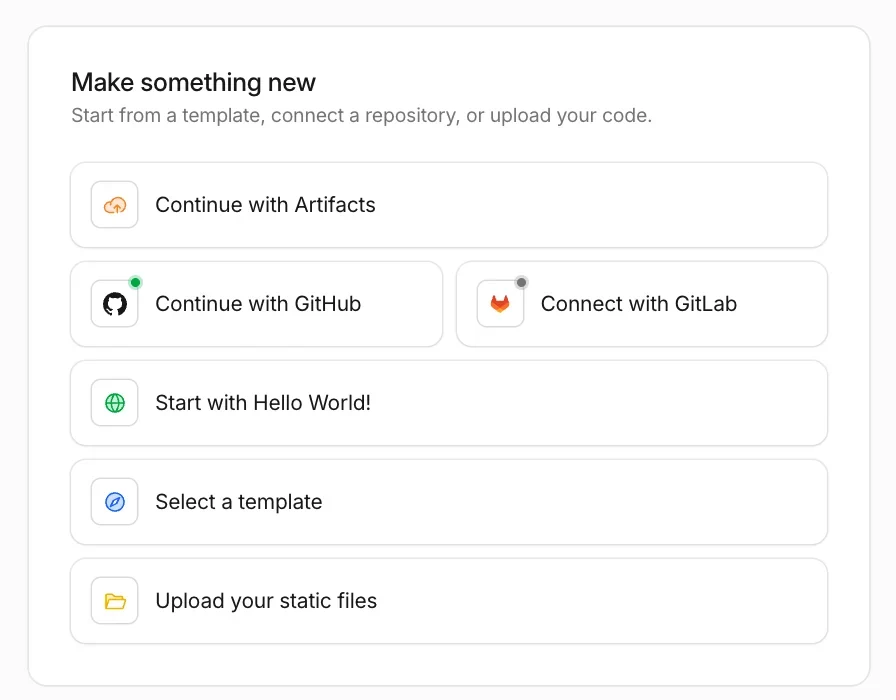
Cloudflare has introduced several capabilities to support agent-driven development workflows. Developers can now connect an Artifacts repository to a Worker through Workers Builds. When code is pushed to the repository, Cloudflare builds the project and deploys updated Workers on the production branch, while pushes to other branches automatically create or update isolated Workers Previews for testing changes before they go live.
Furthermore, an Artifacts binding enables direct interaction with repositories from a Worker to create or fork repos, inspect files and commits, and issue repo-scoped Git tokens. Event subscriptions allow systems to react automatically whenever a repository is created, imported, forked, deleted, pushed to, cloned, or fetched, allowing a Worker to trigger CI or code review workflows immediately.
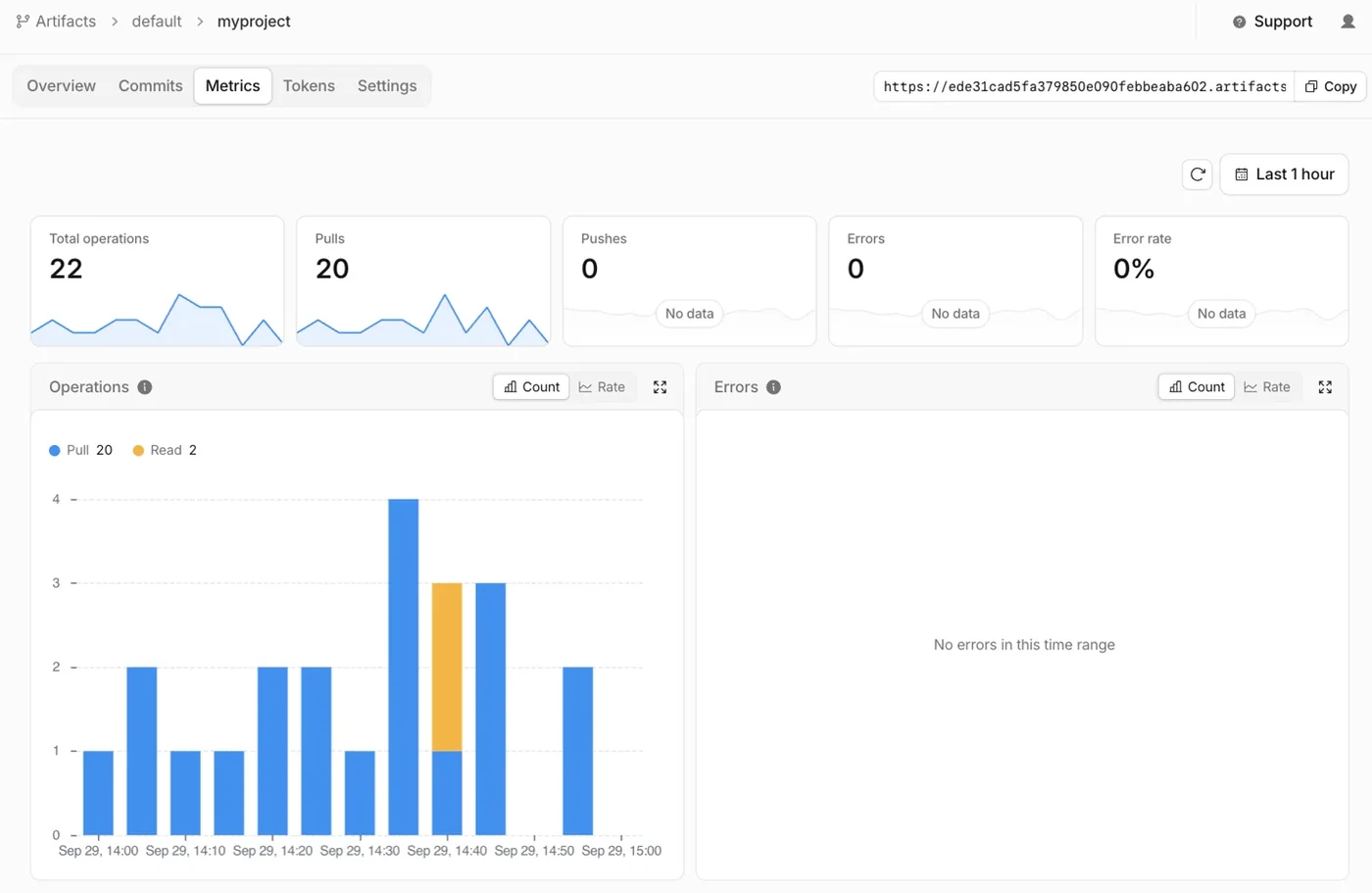
For enterprise requirements, users can choose where Artifacts stores and processes repository data by selecting a U.S. or EU jurisdiction when creating a namespace. Additionally, users can view operational metrics such as total operations, pulls, pushes, and error rates directly in the Cloudflare dashboard or query Artifacts metrics for custom monitoring.
Competition Details and Submissions
The competition challenges builders to rethink repositories, branches, pull requests, worktrees, code review, merge conflicts, and agent context preservation using Cloudflare Workers and Artifacts. Submissions must demonstrate multiple agents working concurrently on changes and should avoid merely adding agents on top of existing GitHub paradigms.
Participants must submit a five-to-ten-minute video demonstrating their project, along with source code provided under a permissive open-source license such as MIT, Apache, or BSD, alongside clear execution instructions. Submissions are open until October 14, 2026. Cloudflare will select the top three projects, fly up to two members from each team to San Francisco for Cloudflare Connect, and award the first-place team $25,000 in Cloudflare credits alongside VIP speaker dinner invitations.
Sources
- Cloudflare BlogWe want you to build the next Git platform on Cloudflare