
Cloudflare Python Workers Are Now Generally Available
Cloudflare has officially transitioned its Python Workers to general availability, positioning Python as a first-class language within its serverless ecosystem.
 Radwan AbdulhadiEditor and technology writer
A First-Class Language for the Cloudflare Platform
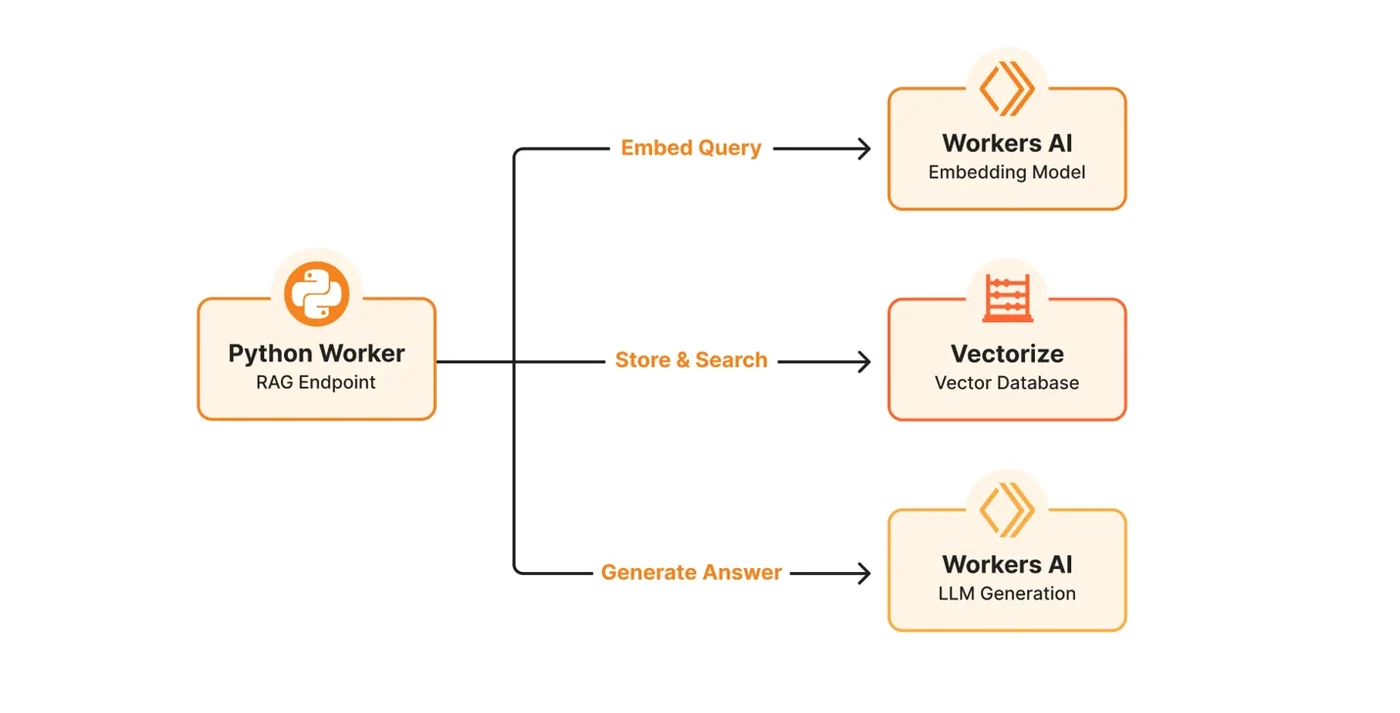
Cloudflare has announced that Python Workers are now generally available, marking a significant milestone in the company’s efforts to treat Python as a first-class citizen alongside TypeScript. By leveraging its infrastructure, Cloudflare aims to enable developers to run Python applications and AI orchestration libraries natively within the Workers runtime. This production-ready release allows for the deployment of scalable applications that integrate directly with the wider Cloudflare ecosystem, including R2, D1, and Workers AI, without the need for cumbersome JavaScript interoperability layers.
Seamless Integration and Type Conversion
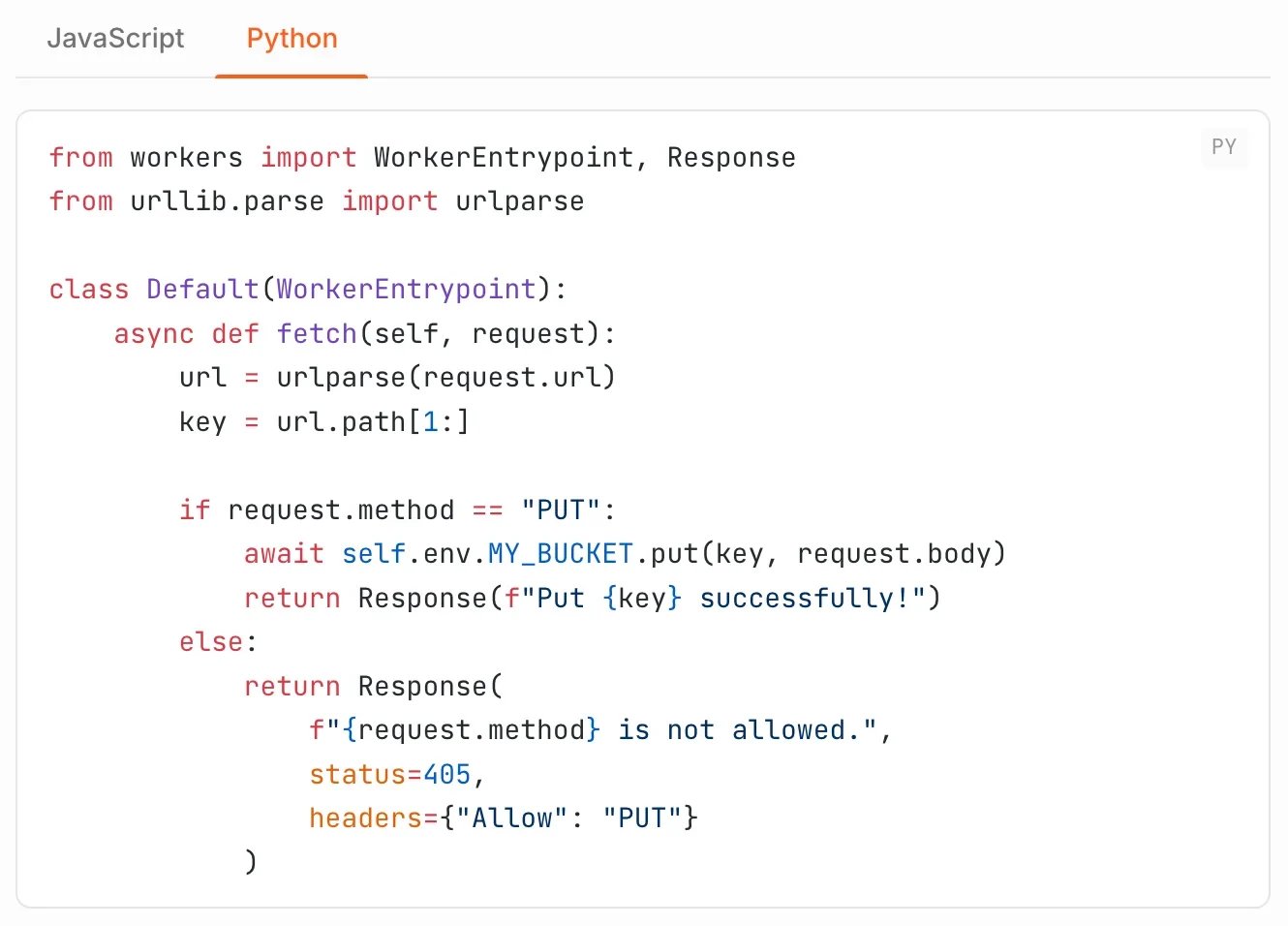
A primary focus of this release is removing the friction historically associated with integrating Python code into a JavaScript-centric runtime. Previously, developers were often required to manually convert Python objects into TypeScript objects to facilitate communication at the RPC boundary. Cloudflare has addressed this by having the platform effectively encapsulated the entire type conversion process within the Workers runtime and the Python SDK. This development allows developers to utilize platform bindings in a purely Pythonic manner, removing the requirement to maintain separate JavaScript glue code for standard tasks.
Support for Popular Web Frameworks
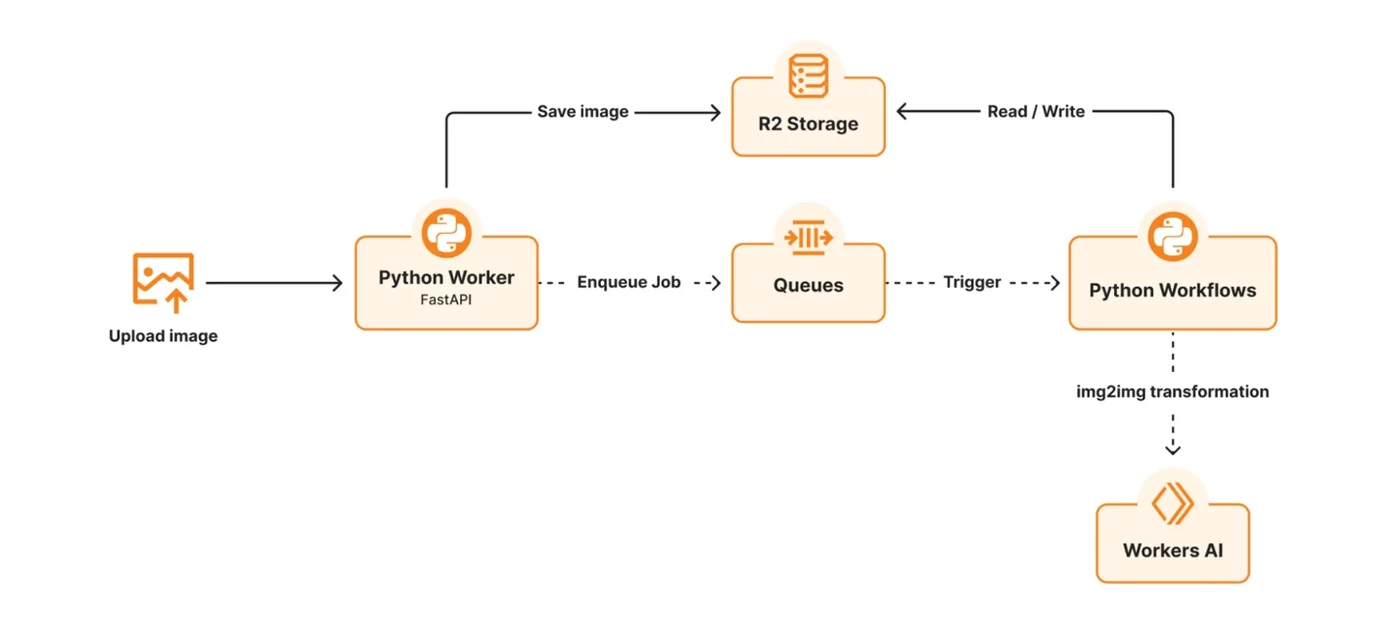
The general availability update brings native support for popular Python web frameworks, including FastAPI, Django, and Flask. Because Cloudflare’s global network manages load balancing and scaling, the need to manage individual web servers inside the worker is eliminated. Instead, Cloudflare provides specialized connectors that act as a bridge between the network and the application logic. By utilizing the WSGI and ASGI standards, developers can deploy applications that are essentially server-agnostic, allowing them to benefit from the platform's automatic scaling and global distribution without needing to configure a traditional server environment.
Database Connectivity and Hyperdrive Integration
Database interaction in a serverless environment has traditionally been difficult for Python due to the underlying constraints of WebAssembly, which usually prohibits standard POSIX networking system calls. To overcome this, Cloudflare implemented a specialized socket bridge that translates standard Python socket operations into the runtime's own connect API. This allows developers to use standard database drivers—such as those required for PostgreSQL or MySQL—to connect to their data stores. This innovation makes it possible to integrate Hyperdrive directly into Python Workers, providing a performant way to manage database connections globally.
Foundations in WebAssembly and Pyodide
The ability to execute Python within the Cloudflare environment is built upon the company’s long-standing support for WebAssembly, which has been integrated into Workers since 2018. By utilizing Pyodide, a project that brings the Python runtime to the browser and server-side via WebAssembly, Cloudflare is able to run a compiled interpreter directly within its sandbox. This architecture ensures that Python applications maintain high performance while adhering to the security and isolation requirements of the Workers platform. For developers looking to get started, comprehensive details regarding packages and configuration can be found in the official Python Workers documentation.
Sources
- Cloudflare BlogPython Workers are now generally available