Why Voice AI Hasn't Reached Its ChatGPT Moment Yet
Despite massive investments and the rollout of full-duplex models, industry leaders explain that voice AI still faces significant technological hurdles before achieving a breakthrough moment.
 Radwan AbdulhadiEditor and technology writer
The Current State of Voice AI
The theory of voice serving as the next major tech interface has generated substantial momentum across the industry. Investors have poured billions of dollars into startups specializing in model creation, enterprise customer service, meeting note-takers, and AI-powered dictation tools. Weekly releases frequently claim to deliver models that sound and converse like humans. Further details are available from TechCrunch in the original source material.
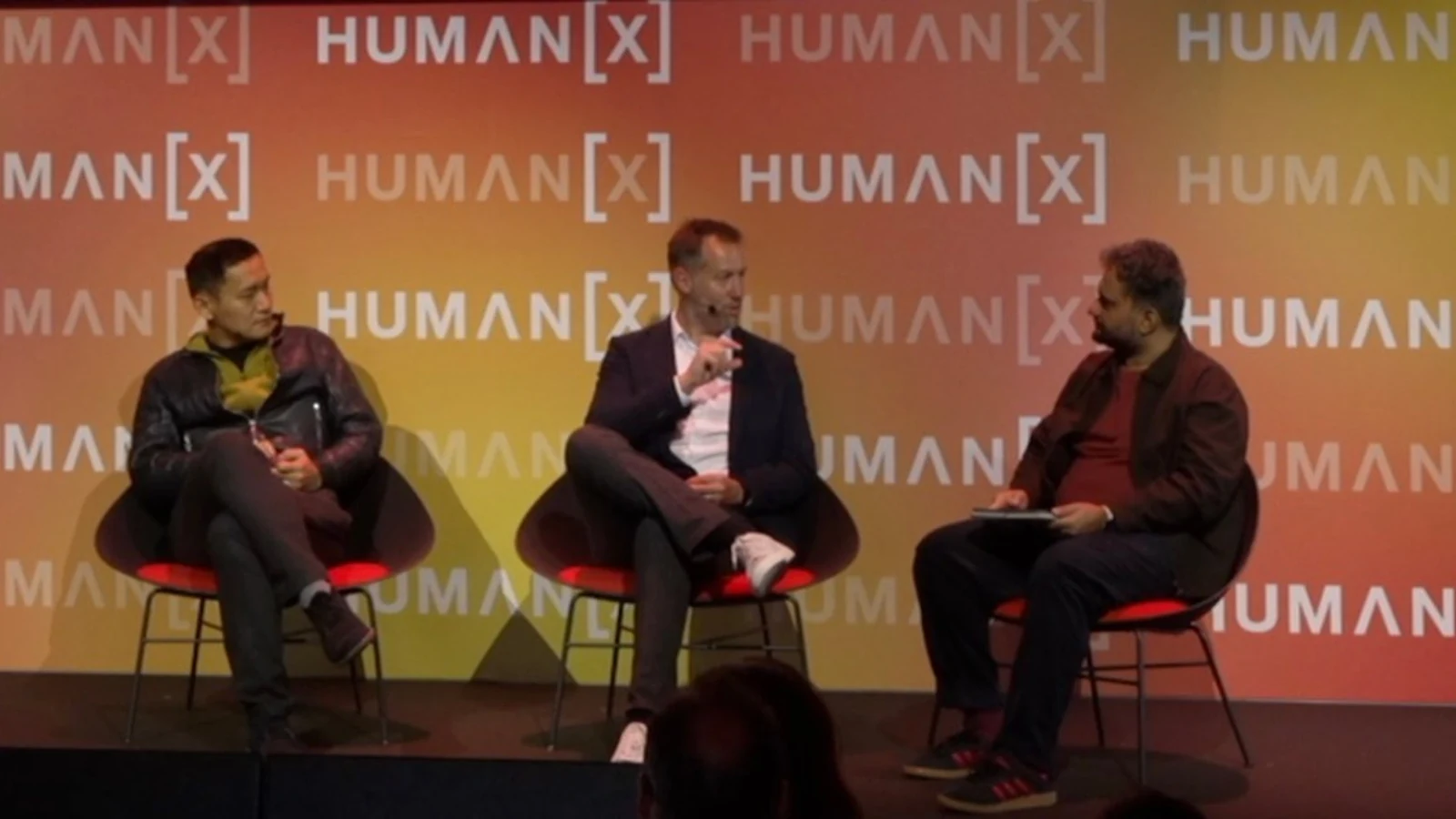
However, industry insiders argue that the technology has not yet delivered on its ultimate promise. PolyAI CTO Shawn Wen noted during an appearance at the HumanX conference that while developers have reached the milestone of creating full-duplex models—which can speak while actively listening—voice AI has not yet experienced its defining breakthrough.
Overcoming Reasoning and Speed Challenges
Addressing the current limitations requires more than just making a synthetic voice sound realistic. Shawn Wen explained that the next major challenge involves accelerating reasoning speeds so models can fetch answers rapidly and keep conversations flowing naturally.
Furthermore, Wen pointed out that customer service AI agents must avoid sounding robotic. By ensuring agents can solve problems reliably, companies can build caller confidence over time, potentially reducing the need for human intervention when customers interact with these automated systems.
Context and Transcription Accuracy
A persistent issue in current voice applications is the frequency with which assistants misunderstand users, generate incorrect transcripts, or produce flawed summaries. PolyAI's leadership attributes part of this failure to Automatic Speech Recognition (ASR) models missing essential keywords, which ultimately disrupts the entire contextual pipeline.
Echoing these concerns, Alex Gay from meeting notetaker Otter emphasized that transcription was never meant to be a final endpoint, but rather a foundational layer for productivity gains. When initial transcriptions lack necessary accuracy, subsequent automated actions become flawed, quickly eroding user trust in the platform.
Emotions, Avatars, and Transparency
As companies like Otter explore advanced concepts such as digital twins to represent people in meetings, capturing accurate intent and emotive expression becomes paramount. Alex Gay noted that productive conversations rely on relationship-building, debate, and strategic discussions rather than simple question-and-answer interactions.
Beyond technical capabilities, industry executives stressed the importance of transparency regarding AI usage and recording practices. Both Otter and PolyAI highlighted the necessity of clearly notifying users when they are interacting with an AI system or being recorded during enterprise calls and meetings.
Sources
- TechCrunchThese execs think voice AI hasn’t reached its ChatGPT moment yet
Continue chronologically


Related entity coverage
Related stories
Building Ultra-Low-Latency Voice AI on AWS
Discover how Cartesia utilizes State Space Models and AWS infrastructure to deliver sub-100ms voice AI experiences globally.

Nvidia Releases New Open Voice Transcription Model
Nvidia has launched Nemotron 3.5 Transcribe, a free, open-weight speech-to-text model supporting up to 40 languages for business and medical use.

Deepgram Optimizes Nova-3 Voice AI Scale with AWS Trainium
Deepgram collaborated with AWS to port its Nova-3 speech-to-text model to AWS Trainium2, boosting batch transcription throughput and efficiency.

Build a Voice Travel Concierge with Amazon Bedrock
Learn how to build a voice travel concierge for airline apps using Amazon Bedrock AgentCore, Managed Knowledge Bases, and real-time speech models.