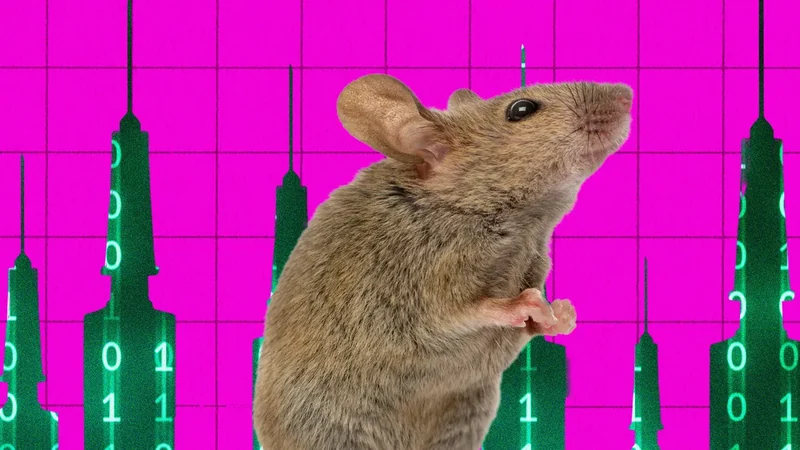
AI Agent Performs Brain Surgery on Mouse Using Anthropic Sonnet
Biotech startup Exin Therapeutics has reported that an AI agent successfully performed brain surgery on a mouse to treat epilepsy using a motorized surgery rig.
 Radwan AbdulhadiEditor and technology writer

Autonomous Mouse Brain Surgery Reported
Biotech startup Exin Therapeutics has claimed it successfully conducted brain surgery on a mouse using an autonomous AI agent. According to details shared by co-founder and CEO Gabriel Ocana-Santero, the procedure aimed to treat a mouse model of epilepsy by selecting a gene therapy vector, determining the proper dosage, and identifying the correct target brain region without direct human instruction on the treatment choice. Further details are available from Tom's Hardware in the original source material.
The startup detailed the experiment on social media, noting that the AI agent was given a spreadsheet containing 19 gene therapy vectors, a mouse model of epilepsy, and access to research papers to derive coordinates. The system then drove stereotaxic arms into the brain to inject 250 nanolitres of medication while monitoring the entry site through a rig camera. Further details are available from Terms & Conditions in the original source material.
Anthropic Sonnet Controls Surgery Rig
The operation was powered by Anthropic's mid-range Sonnet model, which was given control of the motorized surgery rig. The AI selected both the drug and the brain target before delivering the treatment into the living mammal.
Prior to using Sonnet, the team attempted to use other models. According to reports covered by Tom's Hardware, Opus 5.5 outright refused to run the biological experiment, while an older Opus 5 model warned that it could stop working in the middle of the operation, noting that starting something it could not finish on an anesthetized animal presented unacceptable risks.
Safety Protocols and Human Oversight
Despite the high degree of autonomy granted to the AI agent, several strict safety protocols and human oversight measures were maintained during the procedure. A licensed veterinarian on duty performed the initial craniotomy procedure to expose the brain, as the AI agent was restricted from performing that step for safety reasons.
Additionally, every irreversible step required explicit approval from the supervising veterinarian before the AI agent could proceed. The setup also included a physical kill switch capable of cutting power to every motor in the surgery rig instantly. Certain system safeguards were locked against AI overrides, requiring manual code adjustments by human operators during the operation.
Ethical Questions and Industry Reaction
While the mouse reportedly recovered well and was observed moving around in its enclosure, the experiment has raised significant ethical questions. Observers have highlighted concerns regarding accountability when an AI makes complex decisions in risky medical procedures, as well as ongoing discussions surrounding animal experimentation in medical research.
At the same time, the integration of advanced language models into experimental therapeutics has garnered varied reactions from the public and medical community, balancing concerns over autonomous medical agents with potential future applications for treatment-resistant conditions.
Sources
- Tom's HardwareStartup uses AI agent to perform controversial brain surgery on a mouse, Anthropic Sonnet controlled motorized surgery rig
Continue chronologically


Related entity coverage
Related stories
AI Agent Successfully Performs Brain Surgery on Live Mouse
A biotech startup connected an AI agent to laboratory equipment, allowing it to choose a gene therapy and execute a brain injection on a live mouse.
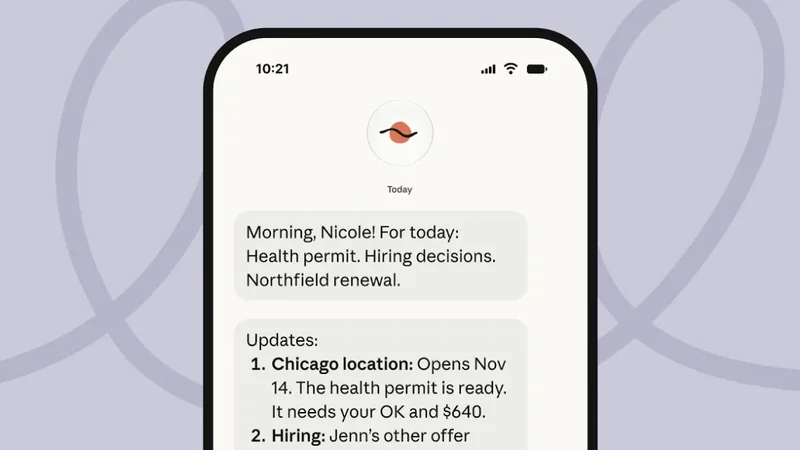
How to Use Anthropic's New Claude Duet Proactive AI Agent
Learn how to join the waitlist, access pricing details, and use Anthropic's new proactive personal AI agent, Claude Duet, during its preview phase.
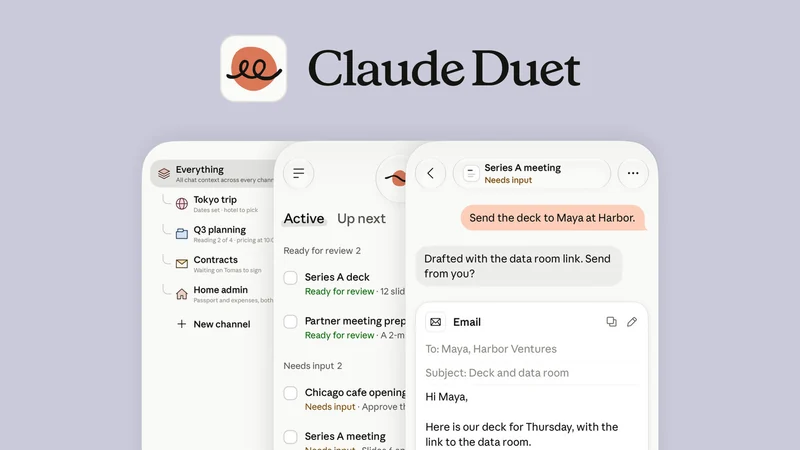
Anthropic Announces Claude Duet AI Agent for Professionals
Anthropic has introduced Claude Duet, a new AI agent designed for professionals and small business owners, launching as an early research preview.
Anthropic Reveals Claude Duet Proactive AI Agent
Anthropic has announced Claude Duet, a new proactive AI agent designed to rival Meta's Muse and OpenAI Dots for professionals and small businesses.