Anthropic's Claude AI Restricts Video Game Recreation
Anthropic's AI models are reportedly blocking video game recreation and general reverse-engineering tasks, drawing criticism from legitimate developers.
 Radwan AbdulhadiEditor and technology writer

New Restrictions on Game Recreation and Reverse Engineering
Anthropic's Claude AI model, including Claude Code and the Opus 5.5 version, is reportedly blocking attempts at video game recreation and general reverse-engineering tasks. According to user reports compiled by Tom's Hardware, the system has begun refusing requests involving tools like the Reverse Engineer Anything utility, which has become a hot topic as developers work on converting games between different systems. Further details are available from Tom's Hardware in the original source material.
The blocks are believed to be linked to a new internal text rule that instructs the model to avoid recreating specific existing games. While the exact wording remains unconfirmed officially, user reports indicate the model is instructed to avoid building recreations of existing titles, even if renamed.
Impact on Legitimate Developers and Basic Tasks
The sweeping restrictions have not only targeted potential cloning efforts but have also caught legitimate developers in the crossfire. GitHub repositories and developer forums have seen an influx of complaints detailing refusals to complete standard game work, replicate game mechanics, and patch tabletop-style projects midway through development.
Furthermore, users have reported that Claude is refusing basic troubleshooting and maintenance tasks. Incidents include refusals to analyze simple Windows crash dumps, clear junkware on Samsung TVs, or assist with anti-cheat development and security reviews.

Cybersecurity Controls and Corporate Motivations
The timing of these restrictions coincides with broader security updates from Anthropic. On October 6, the company introduced its Cyber Verification Program, restricting advanced cybersecurity capabilities to entities covered by Project Glasswing. Although these security rules took effect immediately, a gap of several weeks preceded the recent surge in bot refusal reports.
Industry observers suggest that the primary motivation behind the restrictions is preemptive legal protection. By limiting tools that facilitate software disassembly and recreation, AI companies aim to shield themselves from potential lawsuits brought by software studios and game publishers.
Industry Response and Alternative Options
Neither Anthropic nor other major AI providers have released official statements addressing the sudden surge in strict behavior. However, Anthropic is not alone in tightening its guidelines; reports indicate that other firms have also deactivated user accounts over similar software cleanup tasks.
In response to the restrictions, online communities have suggested turning to open-weight, local, or Chinese large language models as alternatives to Claude and OpenAI offerings. Critics have pointed out the irony of frontier AI companies restricting copyright-related tasks after training their models on vast quantities of public data and art.
Sources
- Tom's HardwareAnthropic's Claude AI blocks video game cloning and reverse-engineering — sweeping new restrictions also hit legitimate developers and basic troubleshooting tasks
Continue chronologically


Related entity coverage
Related stories
Anthropic's Claude Game Cloning Ban Won't Stop AI Copying Boom
Anthropic added new system prompt rules to Claude to block specific video game cloning, but the measure is unlikely to stem a massive wave of AI copying.

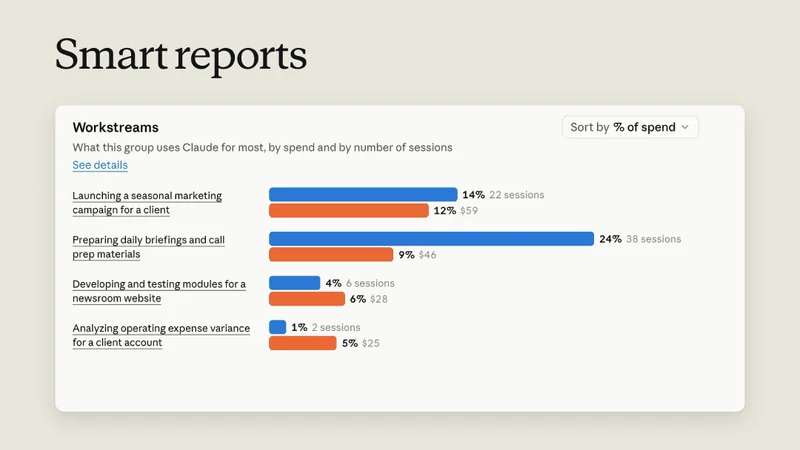
Anthropic Launches New Tools to Show ROI on AI Spending
Anthropic has rolled out a new suite of reporting tools to help enterprise customers understand and optimize their token spending and AI investments.
Anthropic Unveils 3-Tier Cyber Verification Program for AI Access
Anthropic has revamped its Cyber Verification Program, integrating CVP and Project Glasswing into a single three-tier offering for AI access.

Claude Code and Amazon Bedrock in AWS GovCloud
Discover how Anthropic Claude Opus 5.5 and Claude Sonnet 5.5 on Amazon Bedrock enable compliance-aligned, AI-assisted development for regulated workloads.