
Decoding Sony Digital Camera Model Numbers and Names
Navigating Sony's diverse ecosystem of mirrorless and compact cameras can be confusing, but the manufacturer's alphanumeric naming scheme follows a distinct structural logic.
 Radwan AbdulhadiEditor and technology writer
Understanding the Alpha Prefix and Sensor Sizes
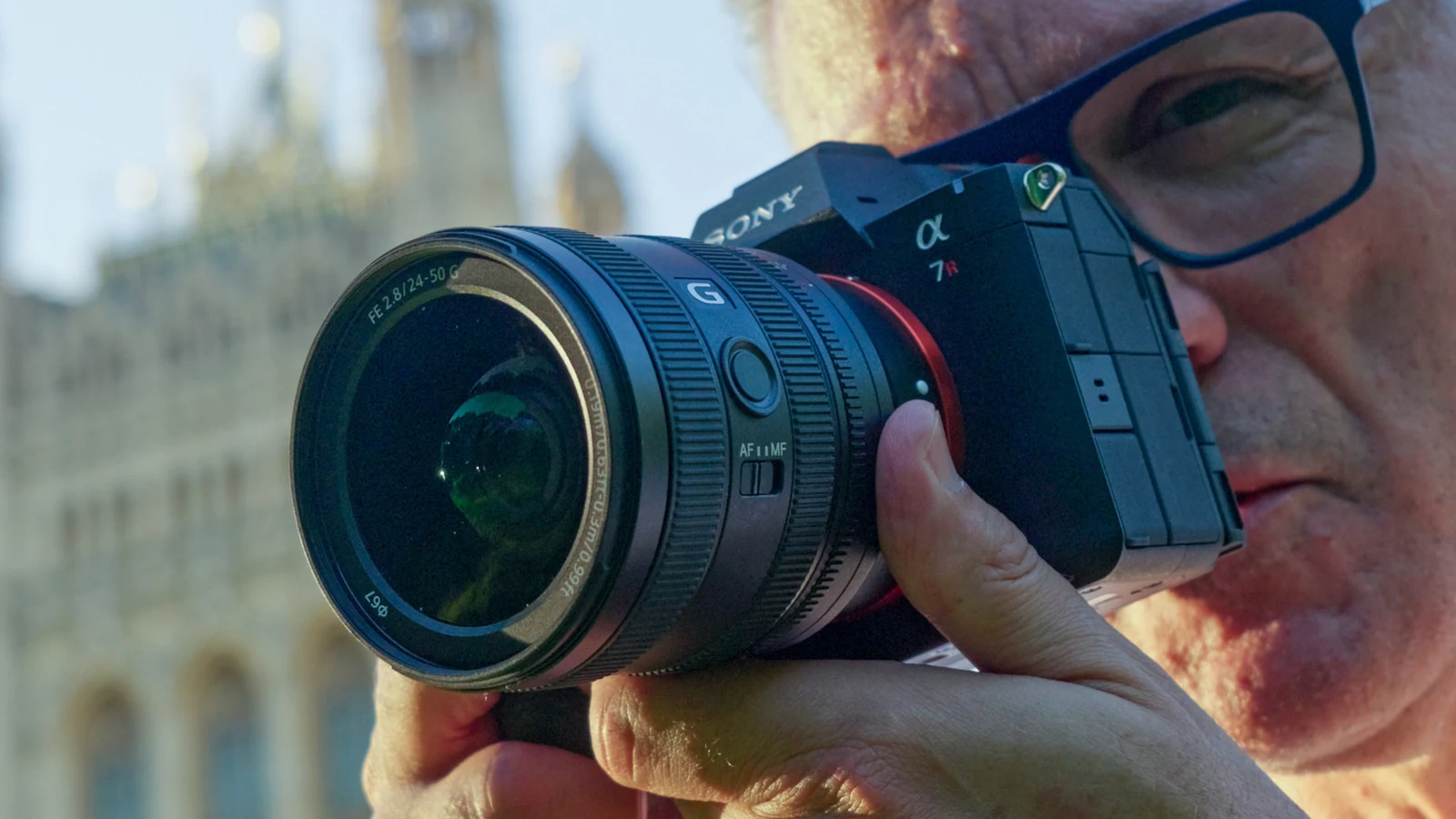
If you are looking to purchase a Sony camera for outstanding technology, ease of use and other good reasons, understanding the company's naming conventions is essential. Sony's mirrorless models all share the same prefix: α. While this symbol represents 'alpha'—the first letter of the Greek alphabet—most users simply say 'alpha' or use the uppercase letter 'A', sometimes referring to models like the Alpha A7 V.
Within this broad 'A' lineup, Sony divides its cameras into two primary categories: full-frame and cropped-frame, also known as APS-C. Full-frame cameras feature larger sensors equivalent to 35mm film, allowing for better background blur and clearer low-light photography. Generally, these models carry a higher price tag than Sony's APS-C offerings. Meanwhile, APS-C models retain removable lenses, manual controls, and solid video features while remaining more affordable and accessible for beginners.
Full-Frame Mirrorless: A1, A9, and the A7 Family
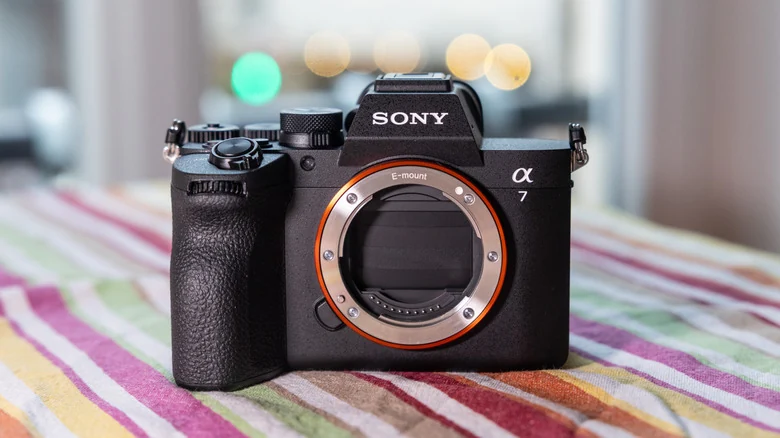
Sony's full-frame mirrorless models are designated by single numbers. The elite A1 series is aimed at professionals, utilizing a fast stacked sensor to capture 50-megapixel photos at up to 30 fps alongside advanced 8K video capabilities. A prominent example in this tier is the A1 II, representing the manufacturer's high-end powerhouse.
Similarly, the A9 series caters to professionals, particularly sports shooters and journalists. These cameras focus on speed over high resolution, highlighted by models like the A9 III, which features a groundbreaking global sensor for distortion-free shooting at 120 fps RAW speeds.
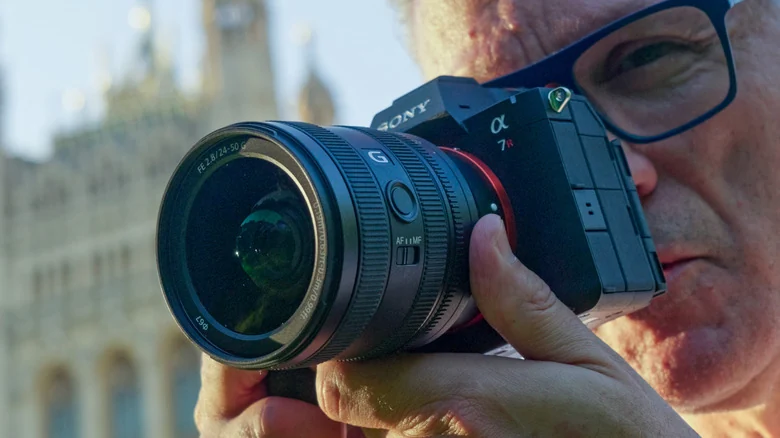
The mainstream mirrorless category is represented by the A7 designation, which branches into four distinct sub-categories. The base A7 series handles both photos and video efficiently at an accessible price point, exemplified by options like the A7 V. The pricier A7R lineup prioritizes high-resolution sensors for detailed landscapes and portraits, with models like the is the A7R VI leading the high-megapixel charge.
Other A7 variations include the video-centric A7S series, known for low-light sensitivity using larger pixels on lower-resolution sensors, and the compact A7C lineup. The A7C models pack the functionality of standard A7 and A7R cameras into stylish, space-saving bodies with side-shifted viewfinders and streamlined manual controls.
Cropped-Frame APS-C and Vlogging ZV Series
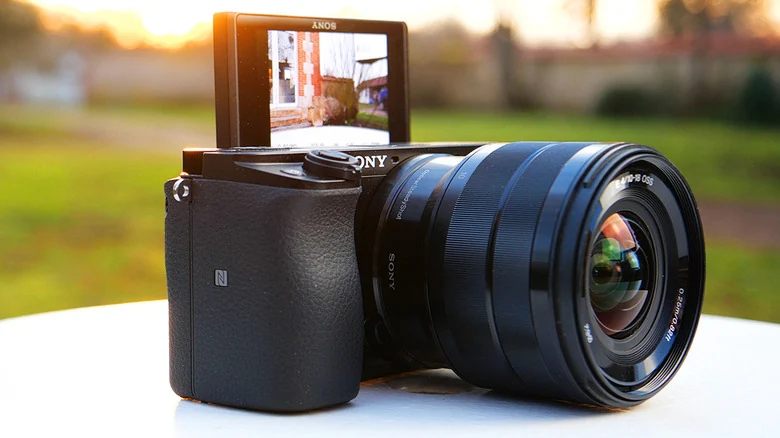
For its APS-C mirrorless cameras, Sony has standardized the A6x00 naming convention over the past decade, replacing older monikers like NEX, A3000, and A5000. In this numbering scheme, a higher number generally correlates with increased capability and price, spanning from the entry-level A6100 and A6400 up to the more advanced A6700, which includes in-body stabilization and improved video bit depths.
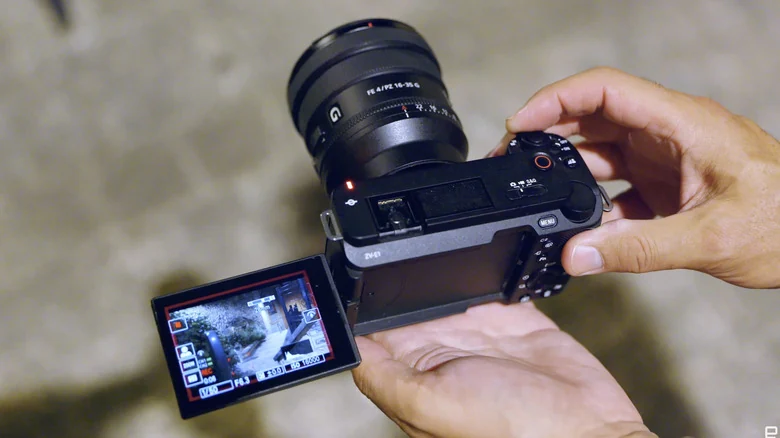
Addressing the content creator market, Sony introduced its ZV vlogging series in 2020. These cameras omit electronic viewfinders to reduce weight and cost while introducing creator-focused features like fast product-showcase autofocus and flip-out displays. The naming convention here uses the ZV prefix for compact fixed-lens models, while adding an 'E' designation denotes interchangeable-lens APS-C or full-frame mirrorless variations.
Fixed-Lens Compact Cameras with RX Suffix
Rounding out Sony's consumer camera ecosystem are traditional compact models featuring fixed, non-interchangeable lenses. These devices are identified by the 'RX' suffix and are separated into zoom, super-zoom, and large sensor categories. By understanding these prefixes, suffixes, and numerical hierarchies, buyers can effectively decode Sony's broad product catalog to find a camera that matches their specific photography and video requirements.
Sources
- EngadgetSony digital camera model numbers explained: Bigger isn't always better
Continue chronologically


Related stories
The Rise, Fall, and Resurgence of Portable MP3 Players
Explore the history of portable MP3 players, from early devices like the MPMan and iPod to the modern resurgence of retro audio technology.

Original PlayStation 2 Security Chip Reverse Engineered
More than 25 years after the fat PlayStation 2 launched, developers have successfully reverse engineered and dumped its stubborn SPC970 security chip.

Kojima Productions Rebuts Financial Difficulty Rumors
Kojima Productions has officially addressed reports regarding its financial health following the transition of its latest title, Physint, to Xbox.

Nvidia Shield TV Pro Gets $100 Price Hike Due to AI
The 7-year-old Nvidia Shield TV Pro has received a $100 price increase to $299.99, as soaring component and memory costs tied to generative AI hit hardware.