Senate Investigation Alleges AI Data Center Claims Mislead Public
A year-long U.S. Senate investigation has concluded that certain AI data center developers have provided misleading claims regarding the economic benefits and costs of their projects.
 Radwan AbdulhadiEditor and technology writer
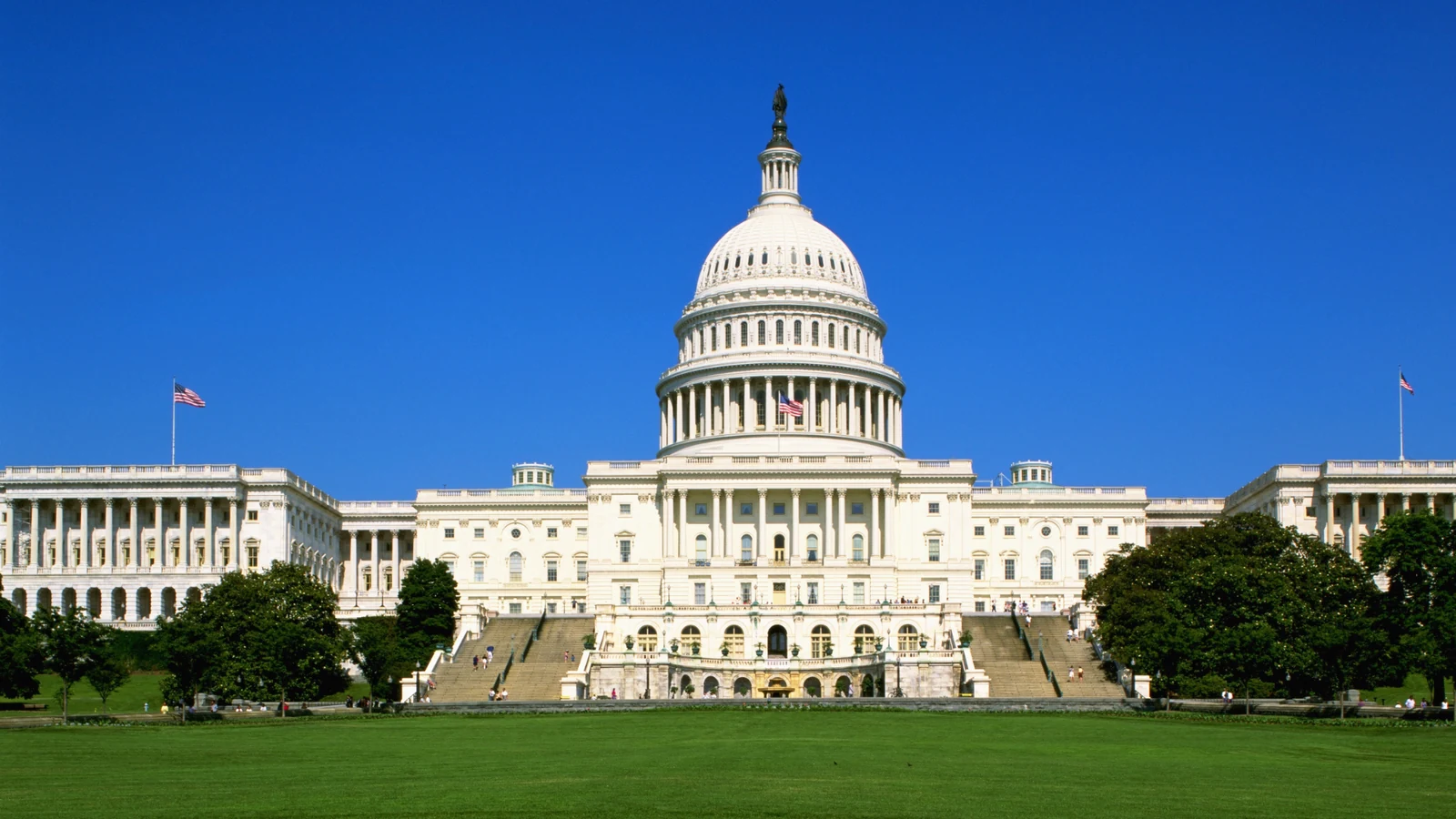
Senate Investigation Focuses on AI Data Center Claims
A comprehensive year-long investigation conducted by the U.S. Senate has raised serious questions about the costs and benefits that AI data center developers present when applying for project permits. According to reporting detailed by [Tom's Hardware](https://www.tomshardware.com/tech-industry/data-centers/senate-investigation-says-that-some-ai-data-center-claims-are-misleading-senators-question-number-of-permanent-jobs-projects-bring-to-communities-but-companies-refuse-to-divulge-data), the findings indicate that these claims are misleading and fail to accurately reflect the true economic impact these massive sites have on local communities. Further details are available from Tom's Hardware in the original source material.
The probe examined how developers market their facilities to local neighborhoods and municipalities. Lawmakers noted that while companies frequently emphasize the temporary construction jobs generated by building these facilities, they allegedly refuse to share data regarding the number of permanent operational positions established once the projects are completed.
Employment Figures and Energy Demands
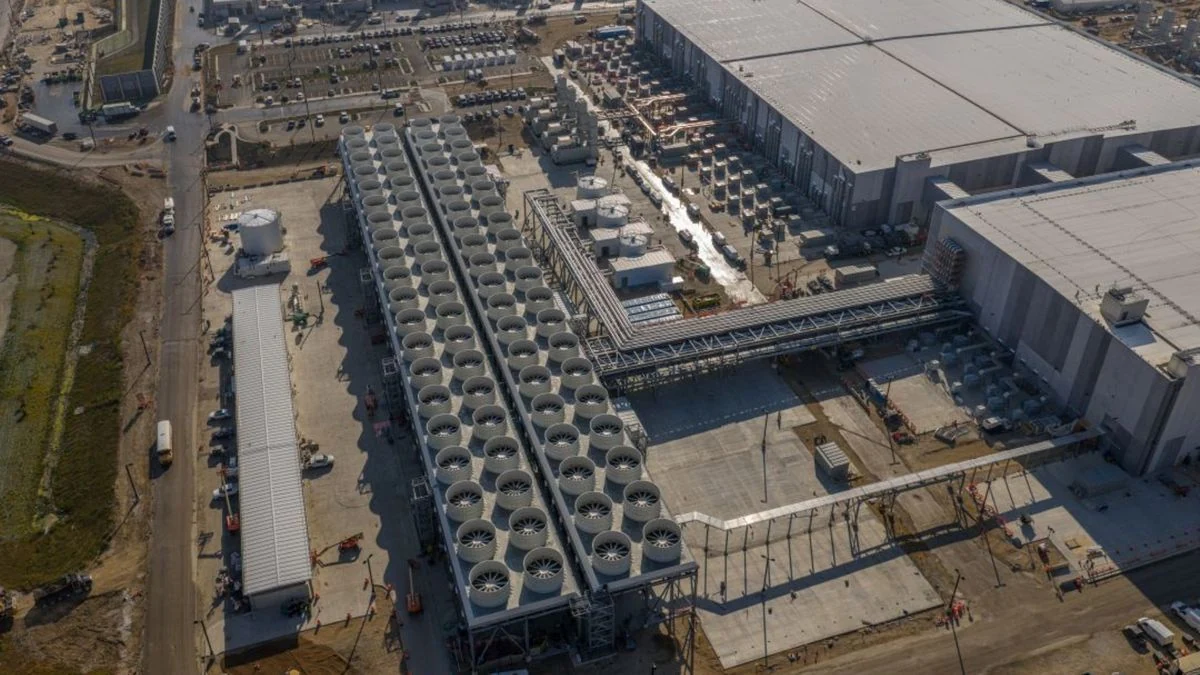
When a small number of companies did provide employment figures, the resulting ratio indicated roughly one permanent position for every megawatt of capacity. Under this ratio, a massive 100-megawatt data center—which consumes electricity comparable to around 100,000 homes—would create only approximately 100 permanent jobs for the local community.
Senator Elizabeth Warren (D-Mass.) emphasized the need for accountability regarding these projects, stating that Congress must ensure large technology companies pay their fair share. Furthermore, Senator Chris Van Hollen (D-Md.) pointed out that working Americans and local communities are effectively footing the bill for data center expansion while companies operate without adequate transparency.
Tax Exemptions and Financial Incentives
Beyond employment concerns, the investigation evaluated the extensive tax incentives granted by local and state governments to AI infrastructure projects. Although property-tax breaks often capture the attention of critics during initial public hearings, the Senate probe revealed that sales-tax exemptions on computer equipment can be far more lucrative over time.
As data centers continuously maintain, replace, and upgrade their hardware, these exemptions play a massive financial role. The report estimates that about 39% of a 1GW data center's total spending goes directly toward expensive graphics processing units. Lawmakers warn that if these sites fail to deliver promised economic benefits, local states lose out on significant public revenue.
Infrastructure Costs and Corporate Resistance
The investigation also reviewed practices among several surveyed industry leaders, including Amazon, Google, Meta, Microsoft, CoreWeave, Digital Realty, and Equinix. According to the findings, these companies have been reluctant to cover the costs of additional infrastructure required to support their facilities, despite previous assurances that they would pay their own way.
While surveyed companies maintained willingness to cover direct costs, they argued they should not bear financial responsibility for larger secondary investments. Upgrades such as new power plants and transmission lines—primarily driven by the massive power demands of AI computing—would theoretically benefit other customers, leading to a dispute over funding responsibilities.
Broader Regulatory Efforts in Congress
Earlier legislative efforts aimed at codifying ratepayer protection pledges signed by data center developers ultimately failed because senators viewed them as toothless. Nevertheless, this latest Senate investigation demonstrates that lawmakers are pursuing a broader regulatory framework for AI infrastructure.
With residents increasingly protesting against massive power consumption, grid strain, and environmental impacts surrounding these developments, federal oversight of data center claims and obligations remains a prominent congressional priority.
Sources
- Tom's HardwareSenate investigation says that some AI data center claims are misleading
Continue chronologically


Related entity coverage
Related stories
Rural Data Centers Face New Federal Tax Breaks
Rural data centers could soon qualify for major federal tax benefits under the One Big Beautiful Bill Act, though major tech firms distance themselves.

U.S. Suspends Green Card Path for H-1B Workers at Major Tech Giants
The U.S. government has blocked Microsoft, Adobe, and several IT outsourcing firms from the PERM program due to alleged fraud.

Websites Move to Block Autonomous AI Agents
Major websites, airlines, and financial institutions are blocking AI agents from OpenAI, Meta, and Google, undermining their utility.

Google's TPUs Run AI Workloads in Meta's Data Centers
Google's custom AI tensor processing units now serve AI workloads in production at Meta via new open-source PyTorch-native inference engines.