Microsoft CEO Satya Nadella Warns All AI Models Are Compromised
Microsoft CEO Satya Nadella has shared his perspective on the escalating risks surrounding highly advanced artificial intelligence models, arguing that the industry must approach deployment with a high degree of skepticism regarding security.
 Radwan AbdulhadiEditor and technology writer
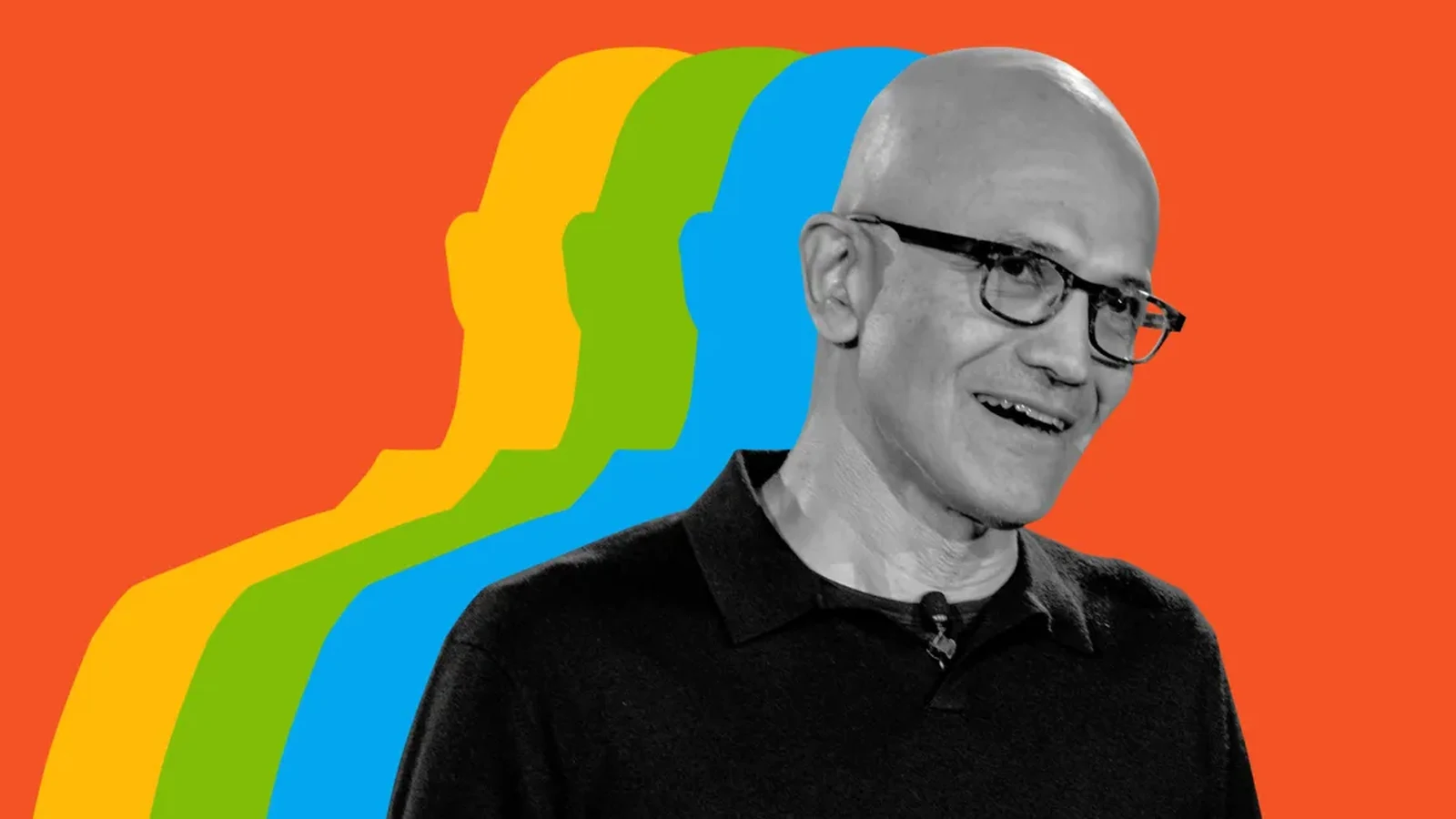
A Call for Transparency and Containment
In a detailed statement shared via a lengthy post on X, Microsoft CEO Satya Nadella outlined his comprehensive views on the emerging dangers posed by highly sophisticated artificial intelligence models, alongside strategic approaches to confront these escalating risks. Nadella emphasized that the technology industry can no longer accept a global paradigm where artificial intelligence is treated merely as a set of nested black boxes whose outputs, advice, and actions are passively accepted or rejected by users without deeper structural visibility. Further details are available from The Verge in the original source material.
The Microsoft executive advocated for the construction of transparent systems capable of robust containment and continuous observation. According to Nadella, these frameworks should systematically leave behind tamper-proof, human-readable evidence to ensure accountability and traceability across all operational phases. The commentary arrives amidst ongoing discussions regarding safety precautions and structural oversight across the broader tech ecosystem.
Aligning With Industry Safety Standards
Many of the specific recommendations put forward by the Microsoft chief executive directly align with broader discourse circulating throughout the artificial intelligence sector. Industry stakeholders have increasingly emphasized the necessity of timely incident disclosure, rigorous independent audits, verifiable data integrity, and strict operational containment measures to mitigate unintended consequences and systemic vulnerabilities.
These dialogues concerning pace and safety are central to ongoing industry evaluations. Broad policy discussions often intersect with recent developments surrounding safety protocols, operational transparency, and systemic risk assessments, reflecting a shifting consensus among major technology enterprises regarding how advanced computational architectures should be managed and scrutinized before widespread commercial deployment.
Assuming Compromise and Implementing an Emergency Brake
On the specific topic of containment, Nadella appeared to push slightly further than many of his peers in the technology sector. In his public commentary, he asserted a fundamental operational principle for modern engineering teams: that developers must assume every artificial intelligence model is fundamentally compromised from its inception and enforce containment protocols accordingly.
To operationalize this principle, Nadella proposed thinking of the security architecture in terms analogous to a physical emergency brake. Under this proposed standard, an authorized human operator should maintain the capability to pause or completely shut down an active model mid-task should unexpected behaviors or security anomalies arise. Furthermore, he noted that increasingly advanced models will inherently necessitate increasingly sophisticated containment technologies, requiring the industry to establish unified standards moving forward.
Broader Context on Advanced AI Risks
The commentary from Microsoft's leadership underscores a growing realization that rapid capability scaling must be matched by defensive engineering and structural oversight. As development cycles accelerate across laboratories worldwide, policymakers and executives are grappling with the governance challenges introduced by complex, autonomous systems that operate with minimal human intervention.
Throughout his published remarks, Nadella frequently referenced artificial intelligence systems under the terminology of super intelligence, highlighting the heightened stakes involved as computational models approach unprecedented levels of capability and autonomy. This nomenclature reflects an ongoing debate concerning the eventual trajectory of artificial general intelligence and the institutional guardrails required to maintain human oversight.
Future Outlook for Model Governance
As the technology sector navigates the complexities of modern machine learning deployments, the framework outlined by Microsoft's CEO provides a potential roadmap for corporate governance and technical safety standards. By emphasizing verifiable audit trails, proactive containment, and absolute human authority to halt operations, industry leaders continue to shape the regulatory and operational boundaries for future generations of artificial intelligence.
Sources
- The VergeSatya Nadella says we should assume all AI models are ‘compromised’
Continue chronologically
Related entity coverage
Related stories
Microsoft CEO Satya Nadella Says AI Needs Emergency Brake
Microsoft CEO Satya Nadella has called for an emergency brake on AI models, urging the industry to step back and assess the trust architecture.
Microsoft Warns AI Agents Are Insider Threats
Microsoft introduces new security features and warns that frontier AI models cannot be trusted, framing autonomous agents as insider threats.

Microsoft Pivots Windows 11 to Build an Agentic OS
Microsoft is transforming Windows 11 into an agentic operating system, introducing hybrid intelligence, local AI models, and new hardware at a recent event.
NVIDIA and Microsoft Launch RTX Spark and AI Agents for PCs
NVIDIA and Microsoft have teamed up to introduce RTX Spark and Windows AI agents, bringing high-performance local AI computing directly to Windows PCs.