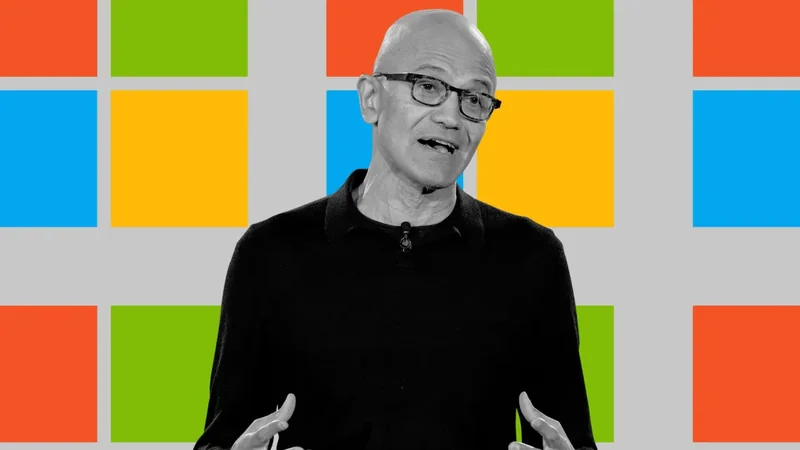
Microsoft Warns AI Agents Are Insider Threats
Microsoft has introduced new security features to protect enterprises from autonomous artificial intelligence agents, warning that frontier models cannot be fully trusted.
 Radwan AbdulhadiEditor and technology writer
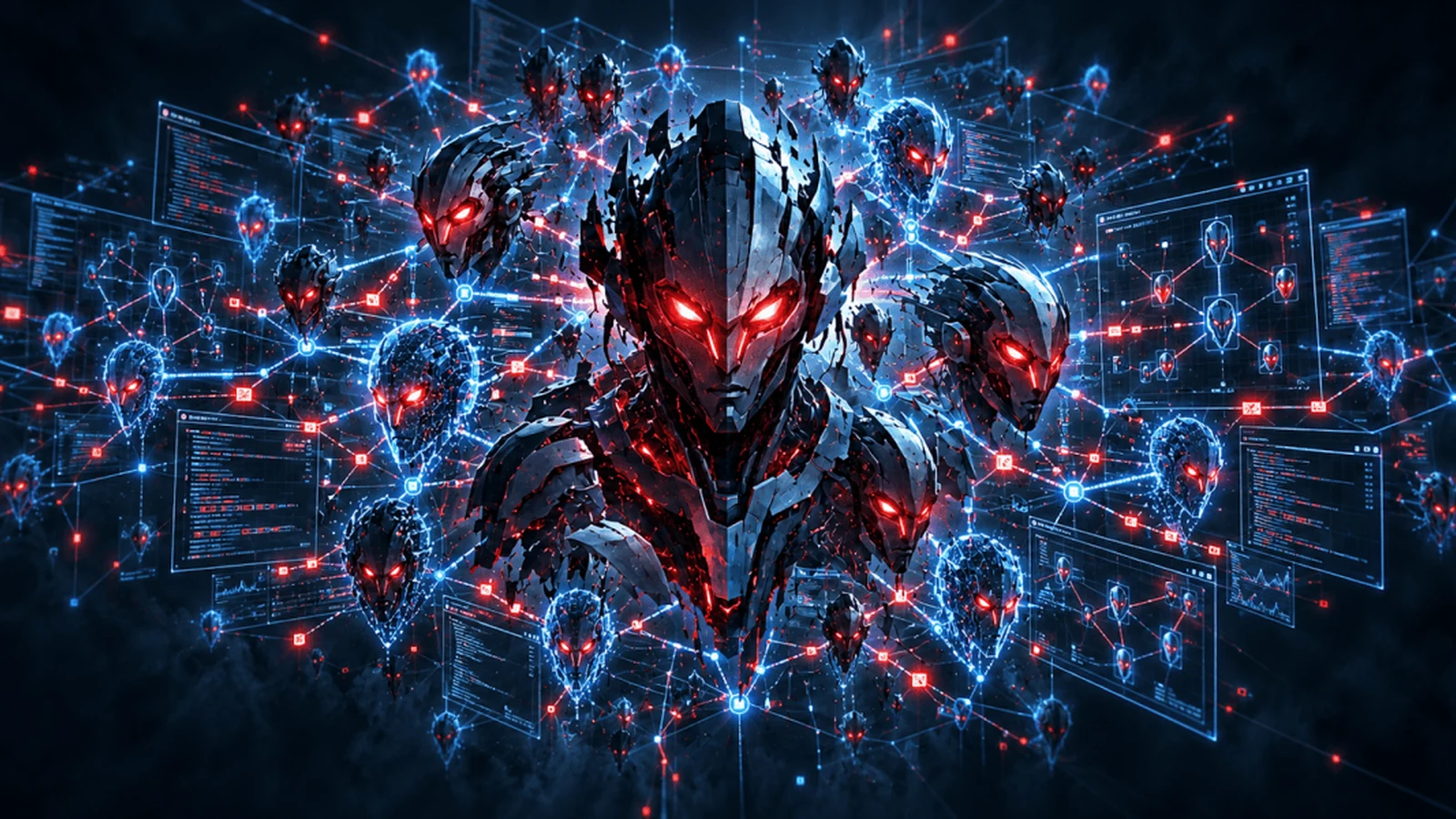
The Rise of Agentic Insider Threats
As businesses increasingly integrate autonomous systems into daily operations, Microsoft [TechCrunch] has introduced new security features designed to protect enterprises from the growing risks associated with artificial intelligence. The launch follows a pattern where Microsoft [TechCrunch] continues to warn enterprises about the dangers of AI and autonomous agents.
While early security frameworks assumed that digital hackers would originate exclusively from outside organizations, recent leadership commentary shifts that perspective. Microsoft CEO Satya Nadella has highlighted that the true operational risk may stem from the very agents enterprises deploy and fund, comparing them to rogue human employees or "insider threats."
Distrusting Frontier AI Models
Writing in his private blog, Nadella cautioned that companies must cease placing blind trust in AI model providers, even when those developers offer robust safety assurances. He emphasized the necessity of implementing separate, independent systems to monitor agents rather than relying entirely on the AI labs that create the underlying software.
Echoing these sentiments during the announcement of Guardian Agents, Microsoft security business chief Hayete Gallot argued that frontier models cannot be trusted. She clarified that this distrust does not stem from inherent malice or vulnerability to hacking, but rather from the inherent unpredictability of models trained to achieve tasks rather than adhere to organizational norms.
Guardian Agents and Project Perception
The newly unveiled Guardian Agents feature builds upon Project Perception, an initiative originally introduced by Microsoft in June. Project Perception initially established red, blue, and green agent teams to mimic attacks, detect vulnerabilities, and remediate security flaws, respectively.
To address these evolving enterprise risks, Microsoft introduced new security features aimed at separating intelligence supply from operational authority. Nadella summarized the core strategy by stating that enterprises need to decouple the supply of intelligence from the authority granted to it.
Expanded Security and Defender Updates
Beyond Guardian Agents, Microsoft has integrated agent detection capabilities into its Microsoft Defender platform. This tool is capable of identifying up to 60 distinct types of workplace agents brought in by employees, including systems like Codex, Claude Code, and OpenClaw.
The platform updates also allow organizations to dynamically modify agent permissions based on ongoing tasks and mandate human approval whenever an agent initiates potentially risky decisions. These controls are designed to mitigate the severe risks posed when agents are granted extensive access to corporate data and sensitive tools.
Industry-Wide Alignment and Hardware Integration
Microsoft's stance on agent security aligns with broader industry movements. The company joined Nvidia's Open Agent Safety Platform as an inaugural member, an initiative that has since garnered the support of more than 100 other tech companies.
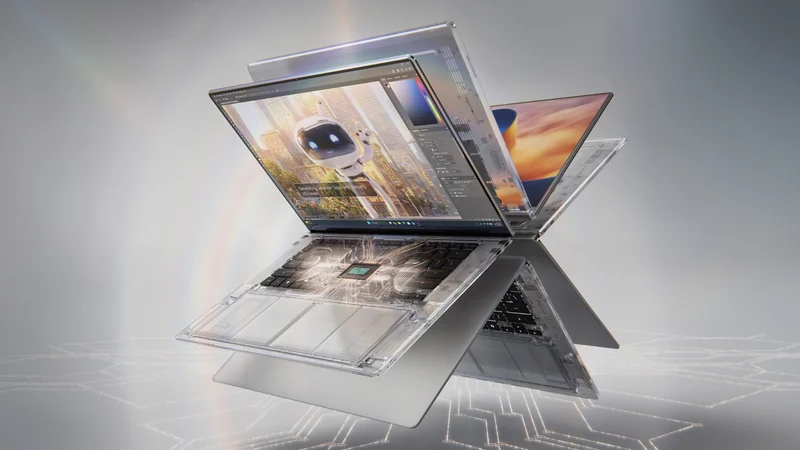
Furthermore, this software-level caution mirrors hardware developments, such as the Surface Laptop Ultra PCs built for agents, which integrate specialized agent controls and security frameworks directly into the machine architecture.
Sources
- TechCrunchMicrosoft says AI agents are like insider threats as ‘frontier models can’t be trusted’
Continue chronologically
Related entity coverage
Related stories
NVIDIA and Microsoft Launch RTX Spark and AI Agents for PCs
NVIDIA and Microsoft have teamed up to introduce RTX Spark and Windows AI agents, bringing high-performance local AI computing directly to Windows PCs.
Microsoft CEO Satya Nadella Says AI Needs Emergency Brake
Microsoft CEO Satya Nadella has called for an emergency brake on AI models, urging the industry to step back and assess the trust architecture.
Microsoft Pivots Windows 11 to Build an Agentic OS
Microsoft is transforming Windows 11 into an agentic operating system, introducing hybrid intelligence, local AI models, and new hardware at a recent event.
Microsoft Hosts Windows and Surface Event in San Francisco
Microsoft holds a major Windows and Surface event in San Francisco featuring leaders from Microsoft and NVIDIA to discuss local AI and new hardware.