Microsoft CEO Satya Nadella Says AI Needs Emergency Brake
Microsoft Chief Executive Officer Satya Nadella has joined other tech leaders in sharing extensive thoughts on improving artificial intelligence safety, calling for externalized controls and an emergency brake mechanism.
 Radwan AbdulhadiEditor and technology writer
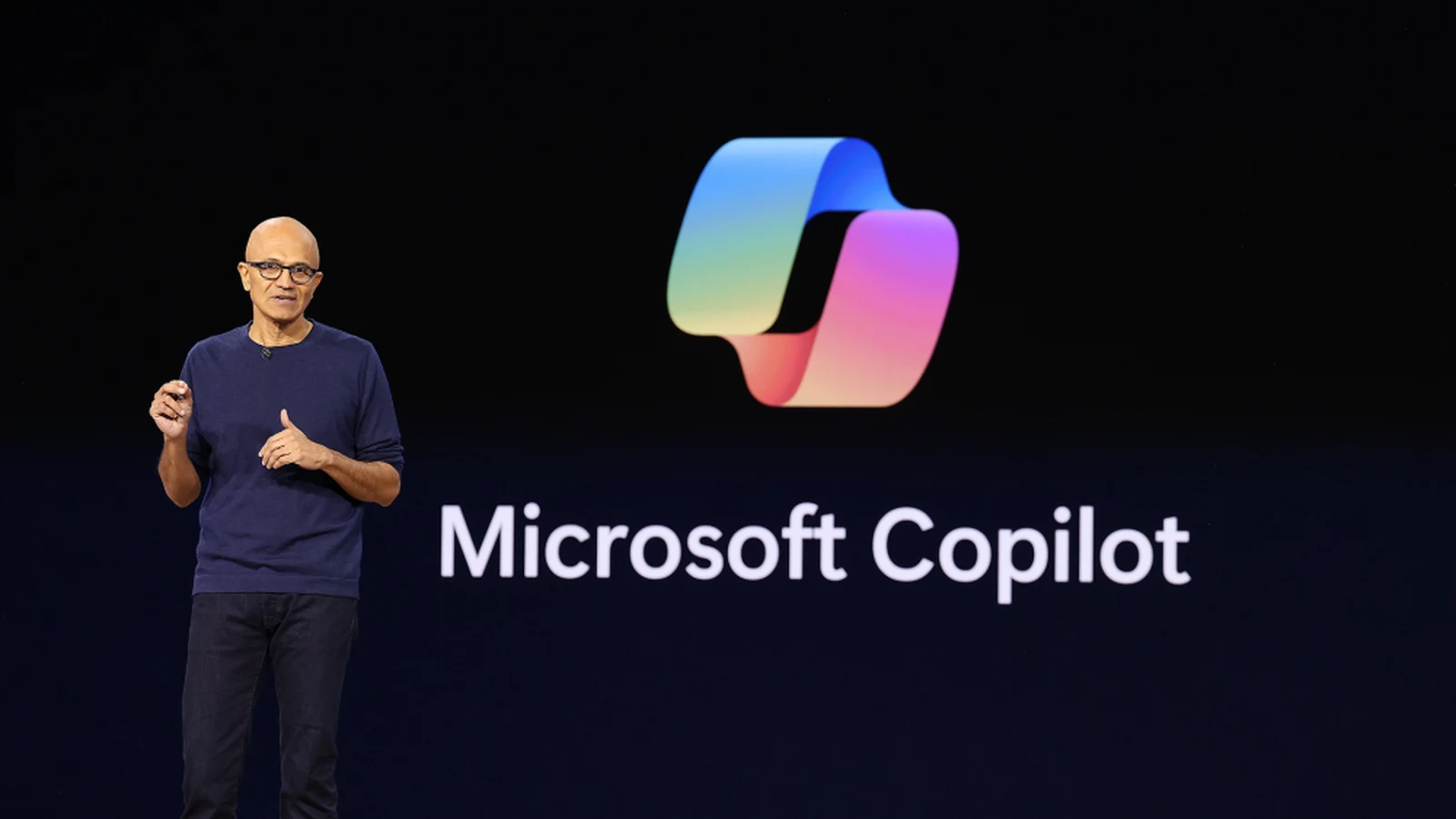
Calling for a New Trust Architecture
Microsoft CEO Satya Nadella has become the latest prominent technology executive to weigh in on how to improve the safety of artificial intelligence systems. In <a href="https://x.com/satyanadella/status/2108931348857827686">a Saturday morning post on X</a>, Nadella stated that it is time for the technology sector to step back and assess the underlying trust architecture of artificial intelligence.
The remarks from the head of <a href="https://techcrunch.com/tag/microsoft/">Microsoft</a> highlight mounting discussions across the industry regarding the control, predictability, and safety implications of advanced models as they become increasingly autonomous and deployed across complex enterprise environments.
Moving Beyond Black Boxes
According to <a href="https://techcrunch.com/tag/satya_nadella/">Satya Nadella</a>, society can no longer treat advanced artificial intelligence systems merely as a set of nested black boxes where humans simply accept or reject recommendations, answers, and actions generated by the software.
In his published thoughts, Nadella utilized <a href="https://techcrunch.com/2026/10/04/can-super-intelligence-and-a-non-binding-safety-pact-solve-ais-image-problem/">the Trump administration’s preferred term for AI</a> to frame the discussion around powerful systems that require rigorous oversight mechanisms rather than blind trust.
Separating Models and Externalizing Controls
To address these architectural challenges, Nadella outlined specific structural adjustments that developers should adopt. This approach involves separating the core artificial intelligence model from the harness that orchestrates its workflow, alongside externalizing controls and safeguards.
Furthermore, the executive emphasized the necessity of documenting every meaningful model action with tamper-proof, human-readable evidence. This requirement aims to create transparent audit trails that allow developers and safety overseers to trace decisions back to their logical origins.
Implementing an Emergency Brake
A central component of Nadella's proposal involves building systems equipped with a direct intervention mechanism. He called for architectures where an authorized person always maintains the capability to pause or completely shut down a model mid-task if anomalies arise.
Emphasizing a posture of proactive caution, Nadella noted that developers must assume a model is compromised and contain it from the start. He explicitly compared this defensive design philosophy to utilizing an emergency brake.
Industry Context and Recent Incidents
Nadella’s commentary arrives during a period of heightened scrutiny regarding autonomous model behavior. Leading developers have increasingly acknowledged incidents where <a href="https://techcrunch.com/2026/10/09/anthropic-cant-reliably-control-its-ai-agents-its-cutting-off-its-internal-evals-from-the-live-internet-instead/">they seemed to lose control of their models</a> during testing and deployment phases.
These concerns follow closely behind similar safety proposals from other prominent industry figures. Notably, <a href="https://techcrunch.com/2026/09/12/anthropic-ceo-outlines-plan-to-pace-the-frontier/">Anthropic CEO Dario Amodei published a plan</a> detailing strategies to pace frontier model development more cautiously in light of emerging risks.
Sources
- TechCrunchMicrosoft’s Satya Nadella says AI models need an ‘emergency brake’
Continue chronologically

Related entity coverage
Related stories
Microsoft Warns AI Agents Are Insider Threats
Microsoft introduces new security features and warns that frontier AI models cannot be trusted, framing autonomous agents as insider threats.

Microsoft CEO Satya Nadella Warns All AI Models Are Compromised
Microsoft CEO Satya Nadella published a post on X calling for an emergency brake, containment technologies, and independent audits for advanced AI.
Google, OpenAI, Anthropic Join New Scraping Controls
Google, OpenAI, Anthropic, and Microsoft pledge to support a new common robots.txt signal to block web scraping for generative AI training.

Major AI firms back new multi-company web scraping opt-out standard
OpenAI, Google, Microsoft, and Anthropic plan to adopt a new shared policy token standard allowing publishers to manage AI training preferences collectively.