Why Robotics Is Still in Its Lego Era, According to an Ex-Nvidia VC
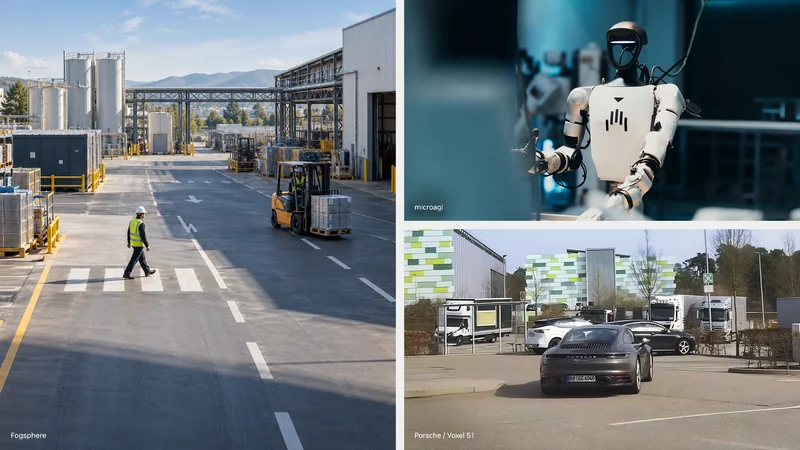
Former Nvidia robotics marketing leader and current venture capitalist Amulya Vishwanath argues that the robotics sector is currently in a fundamental "Lego era," countering beliefs that a ChatGPT-style breakthrough is imminent.
 Radwan AbdulhadiEditor and technology writer
The Current State of Robotics Development
The robotics industry is frequently discussed in terms of an imminent breakthrough, with many anticipating a watershed moment similar to the late 2022 launch of conversational AI tools. However, industry perspectives vary significantly regarding how close the sector actually is to that milestone. According to insights shared on an episode of the [Equity](https://techcrunch.com/podcasts/equity/) podcast, the reality on the ground involves foundational groundwork rather than immediate general intelligence breakthroughs.
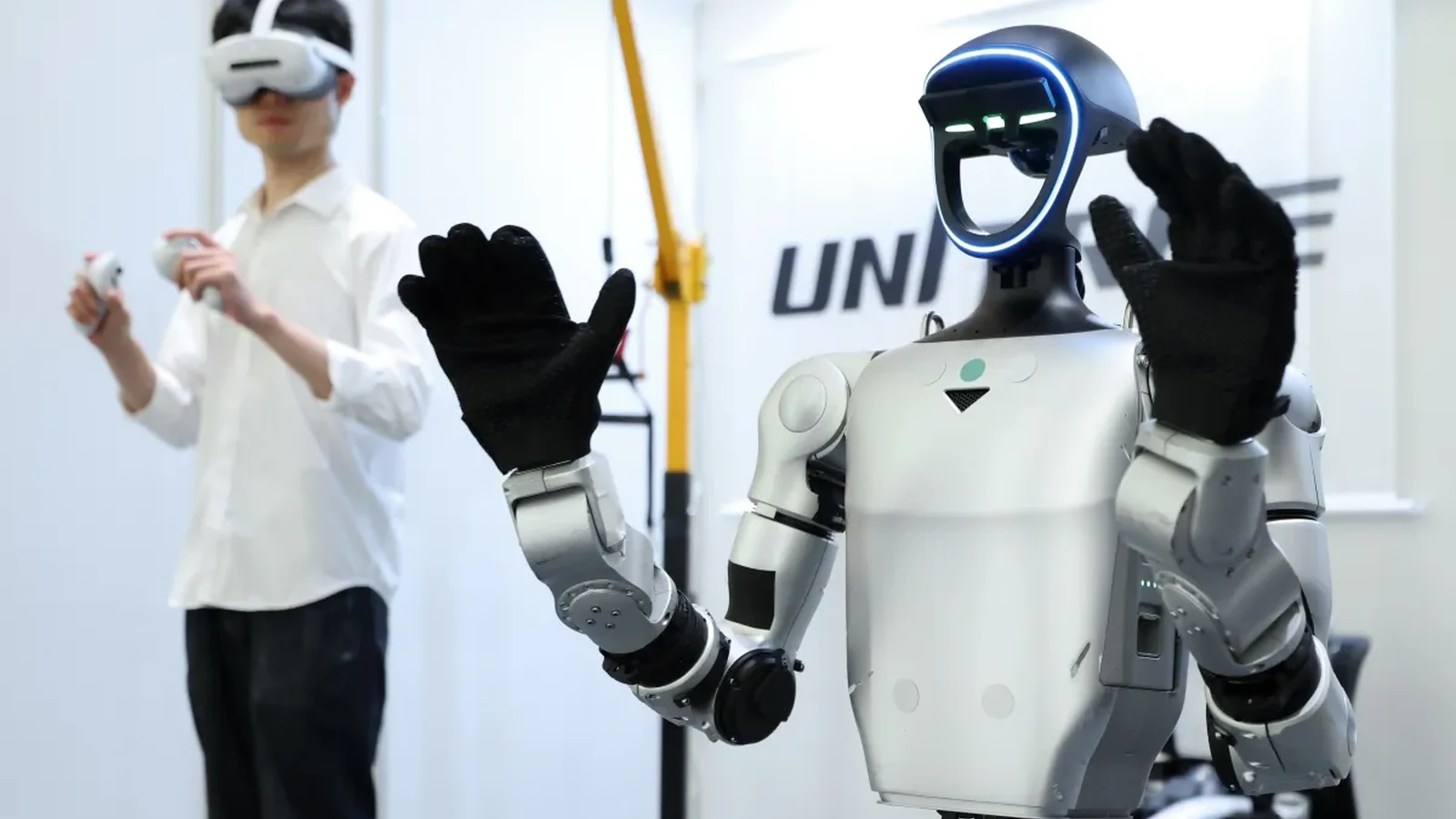
Amulya Vishwanath, who spent seven years leading product marketing for NVIDIA’s robotics platforms, has a different perspective on the timeline. Rather than standing on the precipice of a sudden revolution driven purely by software, Vishwanath views robotics as currently residing firmly within its "Lego era." This foundational phase means that essential hardware and software components are still being actively re-evaluated and reconstructed.
Rebuilding the Basic Building Blocks
The notion of a "Lego era" implies that the fundamental modular elements required for advanced robotics are still works in progress. This viewpoint, detailed in coverage by [TechCrunch](https://techcrunch.com/video/a-nvidia-insider-turned-vc-on-why-robotics-hasnt-hit-its-chatgpt-moment-yet/), emphasizes that before general foundation models can truly dominate everyday applications, the physical and lower-level architectural elements must first mature.
Among the foundational elements still undergoing major rebuilding efforts are actuators, robotic hands, complex software stacks, and standardized safety protocols. Without fully optimized building blocks in these categories, achieving widespread, reliable automation remains an engineering challenge that requires iterative development rather than a single software miracle.
Contrasting Views on Foundation Models
The debate over when robotics will experience its defining inflection point highlights a philosophical split within the technology sector. Some industry leaders argue that advanced general foundation models will swiftly make specialized robotics applications redundant, bringing about a massive paradigm shift in how autonomous machines are deployed and utilized.
For instance, General Intuition CEO Pim de Witte previously [told Equity](https://techcrunch.com/video/why-this-ceo-thinks-video-games-make-better-training-data-than-the-internet/) that a single general foundation model would alter the sector significantly. In contrast, veterans coming from hardware and platform backgrounds point to the stubborn physical constraints of the real world, where hardware reliability, mechanical dexterity, and physical safety standards cannot be solved by software updates alone.
Investing in the Physical AI Frontier
Following her extensive tenure at Nvidia, Vishwanath transitioned to the venture capital ecosystem, establishing [Techable VC.](https://techable.vc/) as a founder and managing partner. In this new capacity, she is writing initial investment checks aimed at backing early-stage startups working across the broad intersection of physical AI, robotics, materials science, and the life sciences.
As one of the prominent early women executives to spin out of Nvidia and launch an independent early-stage venture firm, Vishwanath's investment thesis focuses heavily on supporting teams that are building out the vital technological infrastructure required for the future of physical intelligence.
Sources
- TechCrunchA Nvidia insider-turned-VC on why robotics hasn’t hit its ChatGPT moment, yet
Continue chronologically

Related entity coverage
Related stories
U.S. Investigated Chinese Spy Plot Aimed at Nvidia CEO
U.S. intelligence agencies investigated a top executive at a Singapore cloud firm over a potential Chinese spy plot targeting Nvidia CEO Jensen Huang.
TechCrunch Disrupt 2026 Opens in San Francisco in 48 Hours
TechCrunch Disrupt 2026 is less than 48 hours away at Moscone West in San Francisco, bringing together founders, investors, and industry leaders.
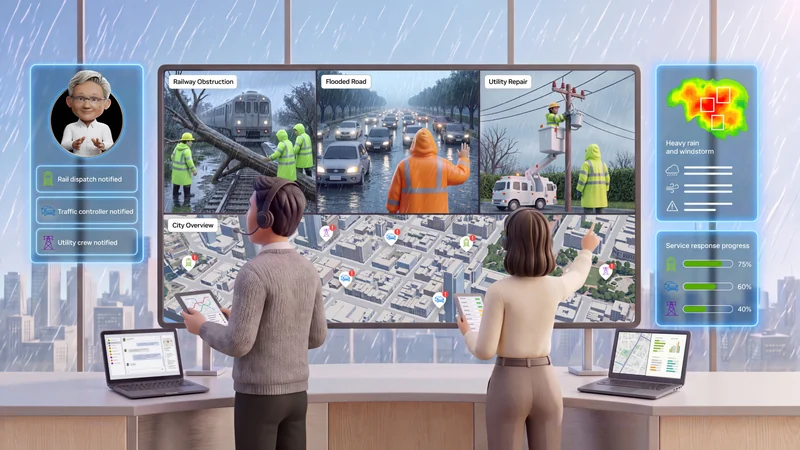
Cities Scale Physical and Agentic AI Services With NVIDIA
Cities worldwide are building and scaling physical and agentic AI services using NVIDIA platforms to improve infrastructure planning and public operations.
NVIDIA Expands Cosmos Platform With New Training and Simulation Tools
NVIDIA has expanded its Cosmos platform with new training tools, simulation checkpoints, and Cosmos Data Factory blueprints for physical AI development.