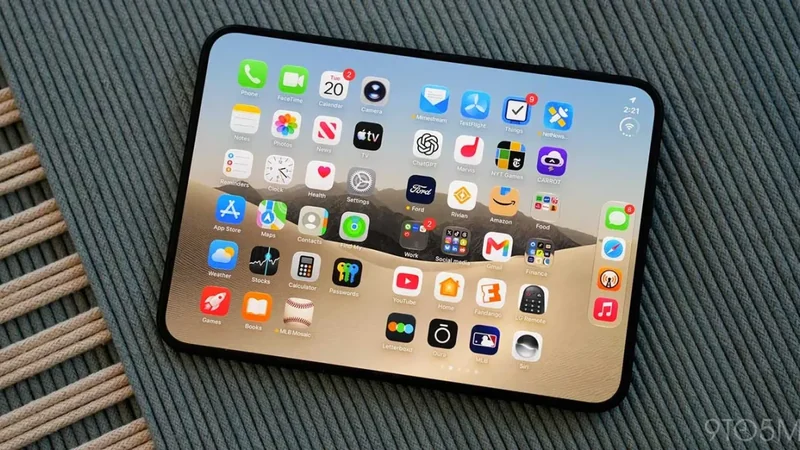
iPhone Duo Teardown Reveals Cause of Screen Crack Issues
As early buyers of Apple's $1,999 iPhone Duo report inner display cracking upon opening, a detailed teardown by iFixit highlights the complex engineering and delicate components inside the foldable device.
 Radwan AbdulhadiEditor and technology writer
Early Reports of Screen Cracks Hit Apple's Foldable
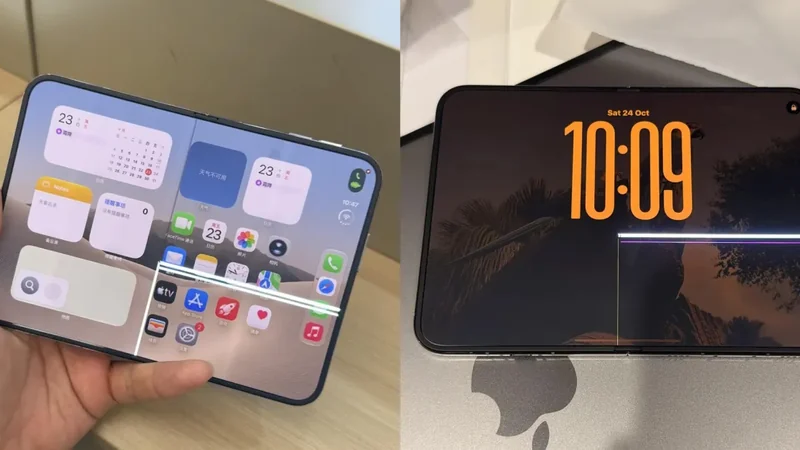
Apple’s entry into the foldable smartphone market with the $1,999 iPhone Duo has encountered early reports of display damage from initial buyers. Multiple users opening their new devices have observed fractures forming across the flexible internal screen. The situation, dubbed crackgate by affected owners across social media platforms and online discussion boards, has raised immediate questions regarding the long-term physical durability of Apple’s first folding phone.
Setup Failures and Scope of the Display Defect
A notable portion of the early user reports indicates that display damage occurred almost immediately following unboxing. Some customers reported that the internal flexible display fractured as early as initial device setup, prior to finishing normal system configuration. While stress tests performed by tech creators such as YouTuber JerryRigEverything pushed the folding screen to physical extremes, standard consumer handling has also resulted in visible cracking.
The full extent of the issue remains unclear, as it is uncertain whether the defect is widespread or limited to a small batch of hardware. In hands-on testing conducted by WIRED, a review unit operated without any display or hinge defects across more than two weeks of daily use. Apple did not respond to WIRED's request for comment regarding the screen issue reports.
iFixit Teardown Exposes Inner Display Challenges
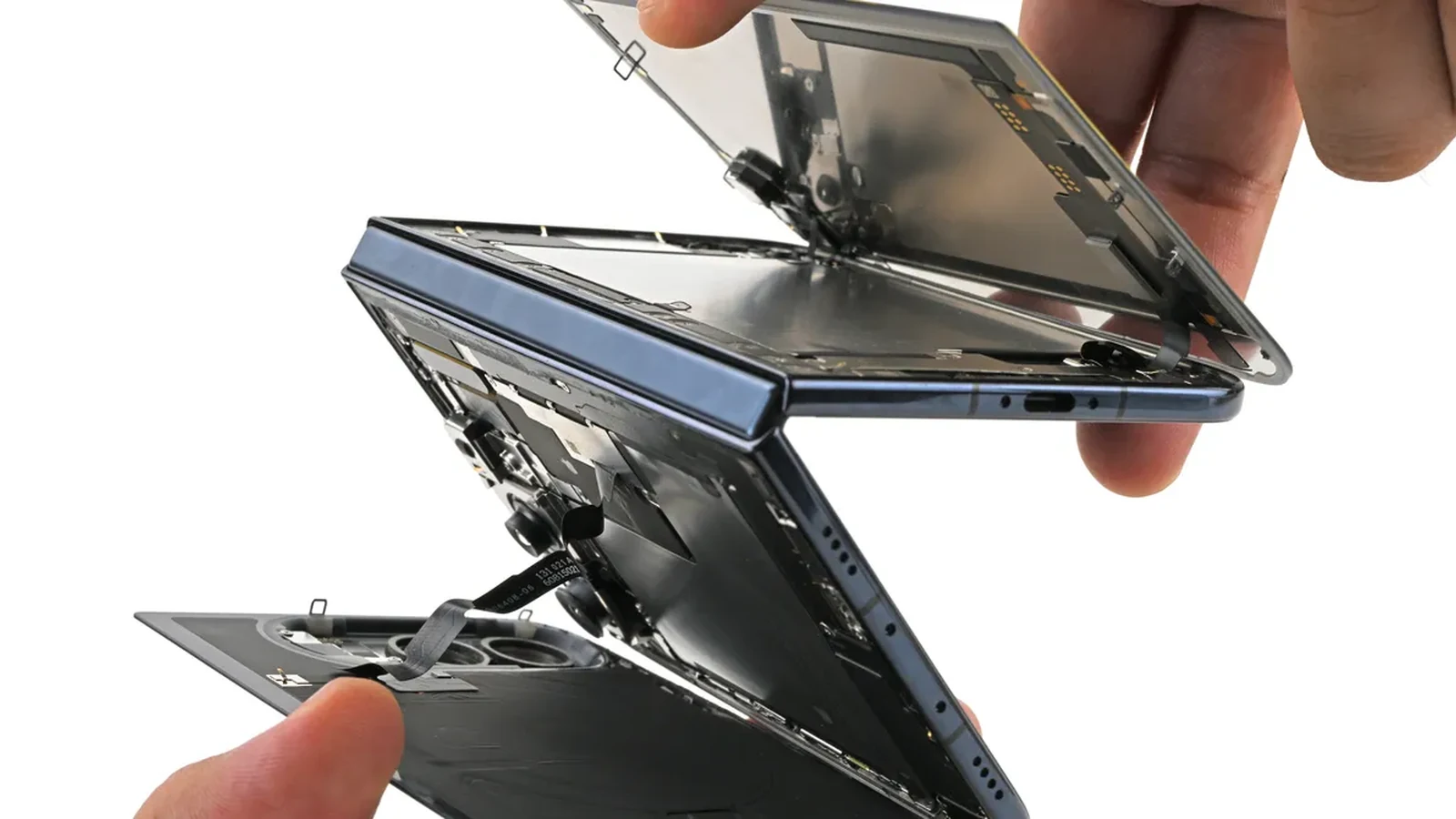
Providing clear technical insight into the construction of the $1,999 device, repair site iFixit published a comprehensive teardown detailing the component layout and physical structure of the smartphone. Their teardown analysis confirmed that the inner display is both the most fragile component and the most difficult to replace. The primary OLED panel is layered beneath a thin matte nano-texture finish, a coating that Apple explicitly advises users not to remove on an official support page.
According to the repair firm, extracting the internal display requires softening strong adhesive with a heat gun and applying significant physical effort to pull the screen clear of the chassis. Due to this fragility, replacing the inner panel is particularly challenging for independent repairs, while Apple's official out-of-warranty inner display repair service carries a cost of $999.
Hinge Mechanics and Dust Accumulation Risks
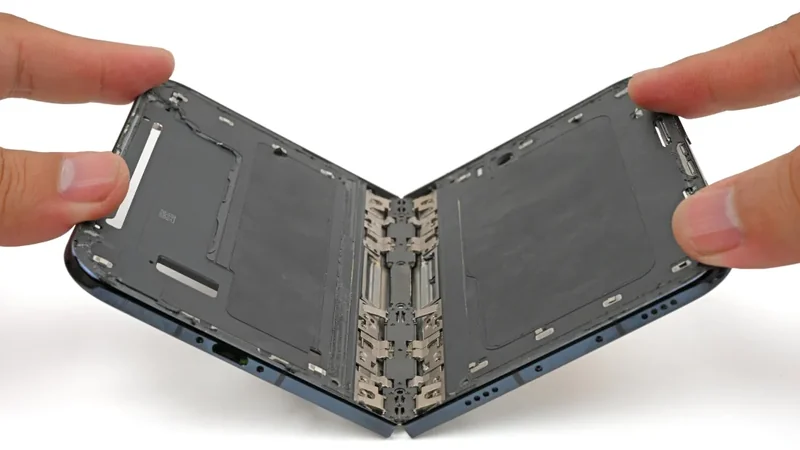
Beyond display sensitivity, folding form factors introduce structural trade-offs due to moving parts. The hinge mechanism on the iPhone Duo creates constant physical strain on internal display layers and electrical ribbon cables during routine opening and closing actions. Additionally, the hinge opening creates a path where environmental dust and small particles can enter the interior of the phone.
The teardown revealed that while the Duo accumulates debris in standard openings like the USB-C port, speaker grilles, and outer frame edges, dust also collects along the central hinge mechanism. When foreign particles enter this space, opening the foldable display produces a crunchy sound similar to behavior seen in rival folding mobile devices.
Modular Exterior Components and Repairability Score
Despite the structural difficulty of the inner screen, iFixit assigned the iPhone Duo a provisional repairability rating of 5 out of 10. Though moderate, this score represents the highest repairability rating iFixit has ever awarded to a foldable smartphone. The score remains provisional and could be adjusted depending on how Apple distributes replacement parts and diagnostic tools to technicians.
The teardown highlighted several repair-friendly construction choices on the exterior frame. The battery and glass back panels are straightforward to detach and replace, while the outer trim comes off in one complete piece. Additionally, the 5.4-inch outer front display detaches easily, and most internal components are held in place using removable, reusable brackets and standard screws rather than heavy adhesive.
Material Engineering and Evolving Industry Standards
Early component failures on foldable phones mirror historical challenges experienced by competitors during the introduction of flexible displays. When Samsung released its original Galaxy Fold in 2019, screen failures and particle intrusion forced the company to delay retail availability and refine its hinge engineering. Although hardware durability across the category has improved over time, flexible screens remain technically challenging to build and protect.
Highlighting these structural challenges, iFixit Chief Executive Officer Kyle Wiens noted the significant engineering hurdles involved in foldable hardware. Speaking at an event prior to Apple's device reveal in September, Wiens noted, “The state of foldables today is one of the hardest engineering challenges across a number of disciplines out there in the market today. It is the pinnacle of material engineering and materials science. It is ludicrously difficult to accomplish this.”
Apple's approach to consumer repairability has expanded since introducing its initial self-repair initiatives in 2021 following regulatory shifts in the United States and the European Union. Unlike previous device debuts, Apple made a complete repair manual publicly accessible on the official launch day of the iPhone Duo, offering users and independent technicians official service documentation from day one.
Sources
- WIREDSome iPhone Duo Models Are Breaking. iFixit’s Teardown Might Explain Why
Continue chronologically


Related entity coverage
Related stories
iPhone Duo Screens Crack as First Foldable Faces Scrutiny
Apple's first foldable device faces screen durability issues as early iPhone Duo units show displays breaking in the middle.
Why iPhone Duo Hinges Might Be Cracking Foldable Screens
Discover why some iPhone Duo foldable screens cracked shortly after launch, according to iFixit teardown technicians and early user reports.
Finding the Android Equivalent to the New iPhone Duo
Explore how the iPhone Duo compares to major Android foldables from Samsung, Google, and Motorola in display size, cameras, durability, and price.
iPhone Duo Software Restricts Display Unlike Galaxy Z Fold 8
Apple’s first wide foldable, the iPhone Duo, faces software criticism over a restricted small display, contrasting with the Samsung Galaxy Z Fold 8.