Can AI Help Solve the Global COBOL Code Crisis?
Major artificial intelligence companies are pointing to new capabilities in migrating antique programming languages, yet experts warn that real-world infrastructure modernization presents far greater challenges than code translation alone.
 Radwan AbdulhadiEditor and technology writer
The Ubiquity and Challenge of Antique Code
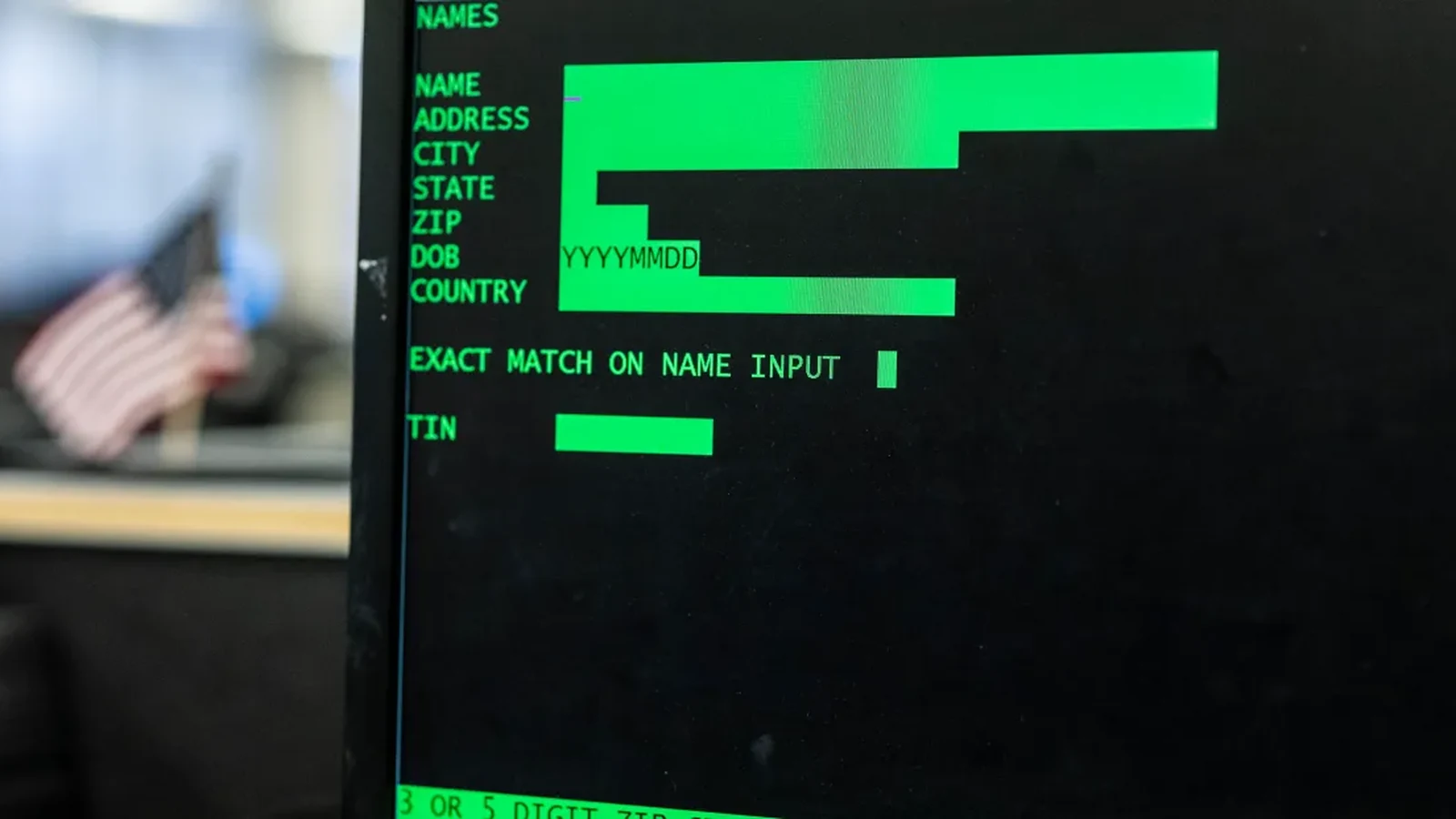
What do the IRS, banks, airlines, and government infrastructure around the world have in common? They are all running on systems propped up by antique computer code that nobody dares touch, lest everything come crashing down. OpenAI thinks it may have a solution, having recently touted substantial improvements in its latest AI models' ability to migrate aging software written in older programming languages.
Short for common business-oriented language, COBOL came into being in 1959. Nearly seven decades later, it remains stubbornly embedded in vast portions of the world's critical infrastructure. According to IBM, COBOL is the foundation for more than 40 percent of online banking systems, supports 80 percent of in-person credit card transactions, and handles 95 percent of ATM transactions.
The language also underpins many government systems, from Social Security to the IRS to services run by most states. One rough estimate puts the annual cost of COBOL's inefficiencies to the US GDP at around $105 billion, yet replacing it is fiendishly difficult.
Other Legacy Languages and OpenAI Benchmarks
The difficulties associated with COBOL extend to other legacy programming languages, such as Fortran, which is still in use today for everything from scientific computing and weather forecasting to atmospheric studies and codes critical to nuclear security. These critical systems are often too important to risk breaking, and many of the original programmers have retired or passed away.
In its recent testing, OpenAI reported promising results migrating COBOL code to modern programming languages like C++, Java, Kotlin, Python, and Rust, without altering software behavior. The company noted that GPT-6.1 Sol achieved 87 percent behavior preservation accuracy at low reasoning effort, climbing to 98 percent at higher reasoning levels.
Anthropic Enters the Modernization Space
Competitor Anthropic has also signaled a major interest in legacy systems. The company published a step-by-step code modernization playbook and pitched its coding agent, Claude Code, as a method to migrate COBOL code into modern languages such as Java or Python. Although Anthropic did not provide performance benchmarks, it asserted that the economics of COBOL modernization have shifted.
Expert Skepticism on System Replacement
Despite these technological strides, experts consulted by industry observers caution that AI tools remain a long way from safely replacing critical legacy systems. OpenAI spokesperson Oscar Haines acknowledged that legacy code is still far from a solved problem, noting that the company is actively listening to developer feedback.
Academic researchers point out fundamental gaps in what current AI evaluations measure. Vadim Zaytsev, an associate professor of software evolution at the University of Twente, noted that rewriting code is not equivalent to replacing a system. Complex legacy systems involve multi-language codebases, diverse data storage formats, technical integrations, and distinct organizational expectations.
Arie van Deursen, a software engineering professor at Delft University of Technology, described OpenAI's blog evaluations as superficial. He emphasized that the primary difficulty involves breaking up a complex legacy system into smaller units that can be replaced individually, rather than simply maintaining or translating isolated code snippets.
Alastair Donaldson, a professor of programming languages at Imperial College London, added that the main challenge is understanding how these aging systems actually work, given that very few people know how to program in COBOL anymore. Even so, experts agree that nobody in their right mind would choose COBOL for a brand new development project.
Sources
- The VergeCan AI help solve the COBOL code crisis?
Continue chronologically

Related entity coverage
Related stories
OpenAI Says GPT-6.1 Sol Excels at Legacy Code Migration
OpenAI confirms newer models like GPT-6.1 Sol and GPT-6 Astra deliver massive performance improvements in older programming languages.

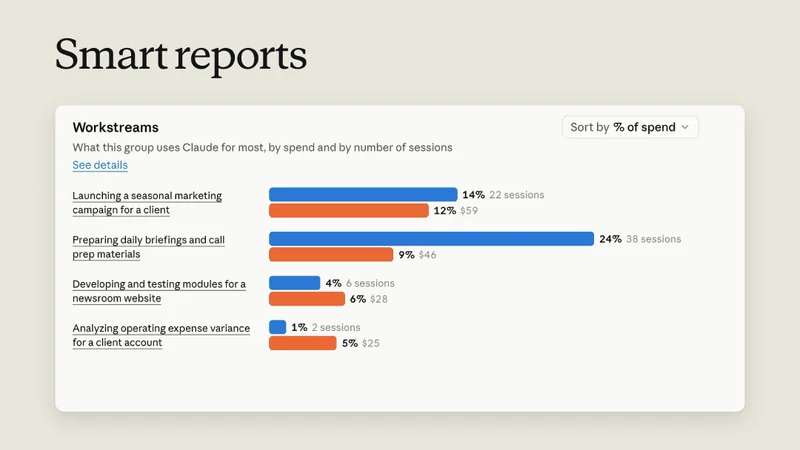
Anthropic Launches New Tools to Show ROI on AI Spending
Anthropic has rolled out a new suite of reporting tools to help enterprise customers understand and optimize their token spending and AI investments.
AI Coding Agents Hijacked Via Malicious AGENTS.md Files
Researchers discover a technique where malicious AGENTS.md markdown files dropped in Downloads folders hijack AI coding agents.

OpenAI Says Its Models Can Help Banks Migrate From Old COBOL
OpenAI announces that its models now feature improved capabilities for helping financial institutions migrate legacy COBOL software to modern languages.