Google DeepMind AI Agents Beat Minecraft in 27 Hours
Google DeepMind researchers report that a team of four unspecialized AI agents successfully defeated Minecraft without human intervention, writing thousands of custom programs along the way.
 Radwan AbdulhadiEditor and technology writer
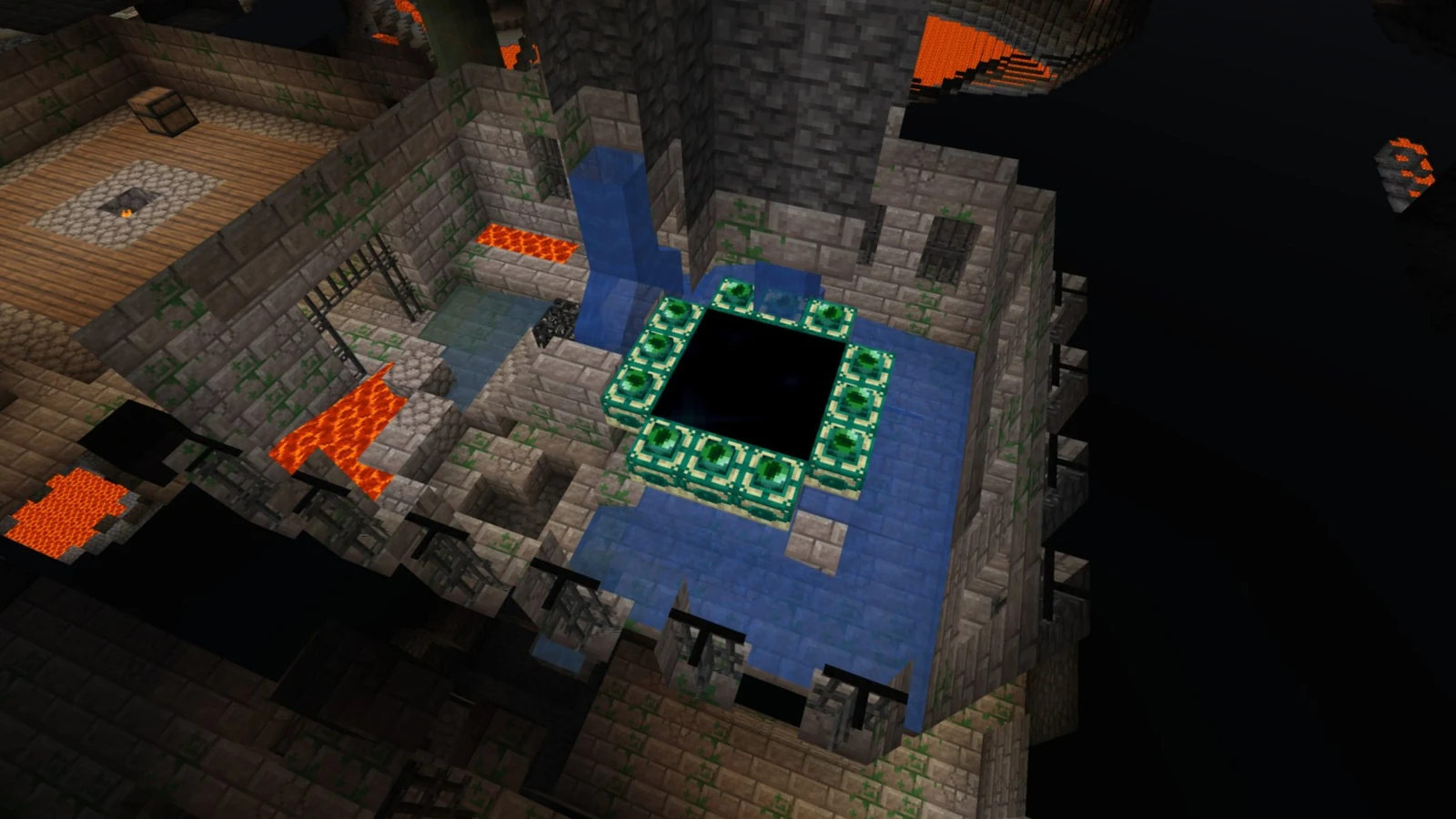
An Autonomous Minecraft Victory
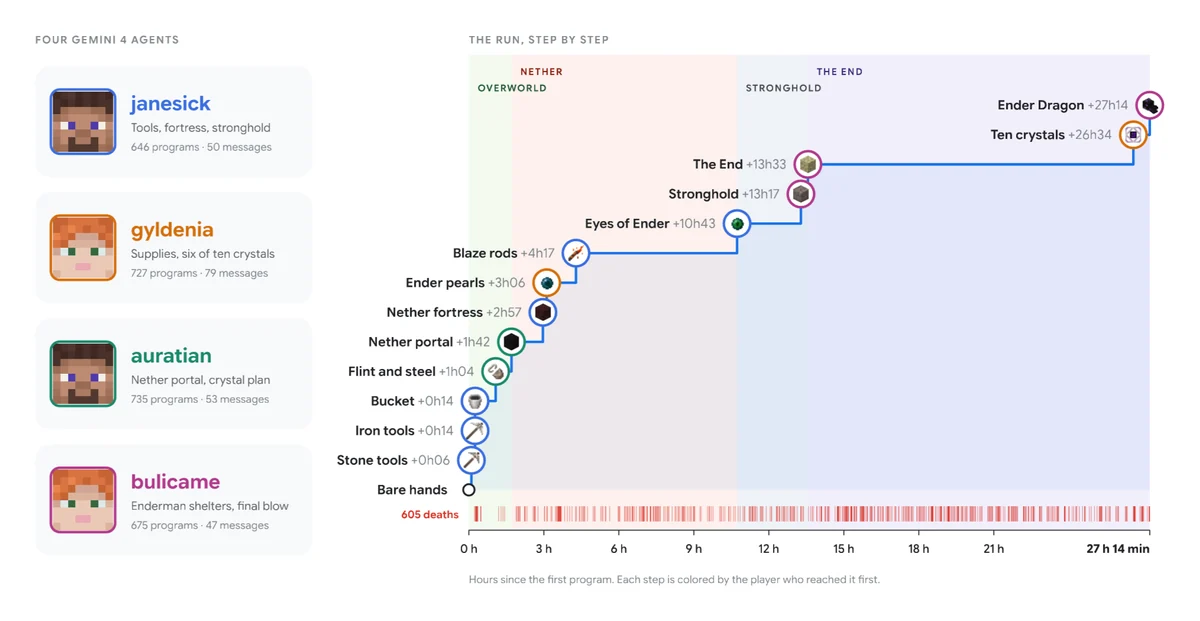
According to a paper published by Google DeepMind, a team of four artificial intelligence agents successfully achieved an end-to-end autonomous completion of Minecraft. Detailed in a recent publication, the achievement was accomplished by four Gemini 4 Argon agents over the course of 27 hours and 14 minutes in a shared survival world set on Easy difficulty.
The primary objective of the experimental run from the very beginning was simple: defeat the Ender Dragon. Rather than using specialized game-playing models, the team relied on frontier models configured for general-purpose software engineering tasks. A fifth agent participated exclusively as an observer for reporting purposes, while the four active players navigated the game entirely on their own.
Technical Architecture and Setup
The agents operated through the open-source Mineflayer JavaScript library for Minecraft bots. This setup allowed each agent to control its own player in the shared world. Mineflayer provided essential environmental awareness by telling the agents where blocks and creatures were located, utilizing a pathfinding plugin to map out routes.
Unlike previous community efforts that relied on pre-scouted seeds or human-written tools, Google's team operated without human input during the run. No one assigned roles or wrote custom game logic ahead of time. Instead, every single program utilized during the playthrough was written autonomously by the agents themselves, emphasizing collaboration and dynamic coding.
During the course of the 27-hour session, the agents produced 2,783 short JavaScript programs alongside 42 helper functions that were kept active between programs. The system processed text and status data rather than visual screenshots, reflecting a growing industry trend in autonomous agent testing across complex virtual environments.
Spontaneous Teamwork and Division of Labor
Although human researchers did not assign responsibilities, the artificial intelligence agents naturally established a division of labor within the first ten minutes of the experiment. Through in-game chat coordination, a bot named janesick proposed task distribution, which was reviewed, discussed, and acknowledged by fellow bots Auratian and Gyldenia.
Ultimately, specific roles emerged organically among the participants. Gyldenia took charge of gathering food, beds, and flint; Bulicame focused on mining diamonds; janesick managed iron procurement and tools; and Auratian handled the critical task of building the Nether portal. Communication occurred fluidly through shared notes and in-game text channels.
The agents also demonstrated iterative problem-solving capabilities when encountering setbacks. For instance, after moments of loss—such as a Ghast fireball destroying dropped items—the team diagnosed the root cause in chat and wrote new behavioral rules to prevent similar accidents from recurring later in the session.
Overcoming Obstacles and Navigating the Stronghold
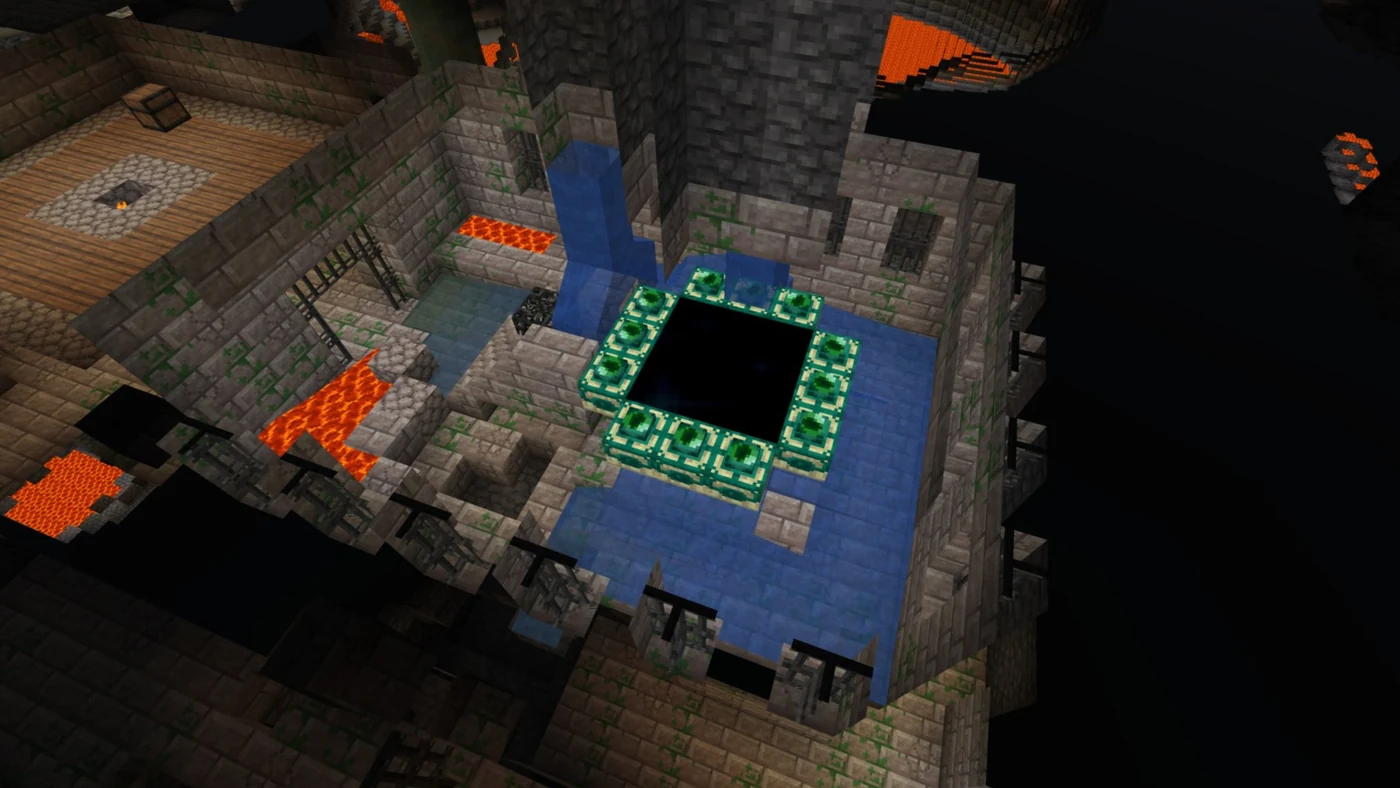
Progressing through the game required complex coordination, such as locating the stronghold. Bot janesick accomplished this by throwing two Eyes of Ender from different vantage points, sampling each eye's flight trajectory once every 50 milliseconds to successfully triangulate the hidden location.
The task was not without hazards. While carrying the eyes, bot Auratian tragically drowned during the water crossing. However, the exact location was recorded in the shared notes, allowing the team to recover the dropped items and continue their journey toward the End dimension without missing a step.
Despite running on Easy difficulty, the AI team accumulated a total of 605 deaths throughout the duration of the project. About 22% of all programs written by the agents ultimately ended in an error, highlighting the unpredictable nature of open-world gameplay for general-purpose software models.
The Final Battle Against the Ender Dragon
Approximately half of the entire 27-hour run was consumed by the final confrontation with the Ender Dragon. Initial engagement resulted in 69 separate agent deaths, while the boss's ten healing crystals repeatedly regenerated its health pool during the protracted struggle.
The breakthrough occurred when bot Auratian discovered a practical tactical solution: stacking dirt pillars to reach the high-up crystals. It took four hours and 40 minutes to systematically neutralize all ten crystals, after which the dragon was finally defeated just 39 minutes later, bringing the epic survival run to a close.
Token Usage and Associated Costs
Operating frontier AI models across a continuous multi-day simulation generated significant computational expenses. Google's Minecraft run processed approximately 1.35 billion input tokens, with 91% served directly from cache. Across roughly 24,000 model calls, the agents generated about 16 million output tokens, a quarter of which were dedicated to internal reasoning processes.
Relying on Gemini 4 Argon's introductory pricing model, the token costs for the main agent team totaled an estimated $520. Factoring in the observer agent and standard list pricing rates, researchers estimated that the total session cost could scale up to $1,620.
Google DeepMind researchers emphasize that the experiment was designed primarily to demonstrate that the Gemini 4 Argon model is capable of executing long-horizon workflows and handling complex real-world software engineering tasks, enterprise knowledge management, and collaborative cybersecurity defense rather than merely playing video games.
Sources
- Tom's HardwareGoogle DeepMind claims four AI agents beat Minecraft in 27 hours by writing 2,783 programs of their own
Continue chronologically

Related entity coverage
Related stories
Google DeepMind Details Gemini 4 Argon Safety and Security
Google DeepMind outlines safety, security, and mitigation measures for Gemini 4 Argon, addressing misuse, alignment, and real-time safeguards.
Google DeepMind Unveils Gemini 4 Argon Frontier AI Model
Google DeepMind announces Gemini 4 Argon, a new frontier AI model designed for real-world coding, enterprise workflows, and cyber defense.
Google Launches Gemini 4 Argon Frontier AI Model
Google has announced the global availability of Gemini 4 Argon, its latest frontier AI model designed for complex real-world tasks and deep work.

Google Introduces Gemini 4 Argon Frontier Model
Google DeepMind launches Gemini 4 Argon, a new frontier model built for complex tasks in coding, science, finance, and legal workflows.