Fitbit Air vs. Whoop: Screenless Fitness Trackers Compared
A comprehensive look at how Google's Fitbit Air stacks up against Whoop in the popular market of screenless fitness tracking wearables.
 Radwan AbdulhadiEditor and technology writer

The Rise of Screenless Trackers
Screenless trackers are all the rage right now, driving renewed interest across the health technology sector. While these devices have existed for decades—with Whoop launching its first tracker in 2015 as an early pioneer of the category—market competition has intensified significantly. For instance, Whoop raised $575 million, garnering itself a $10 billion valuation, signaling major financial backing and growing mainstream demand for screenless wearables.
Amid this rising momentum, traditional players and tech giants alike are entering the space. Companies like Garmin, Luna, Hume, and Amazfit now compete alongside Google, which introduced its own take on the category with the Fitbit Air. Google had previously teased its intentions around the same time as Whoop's major funding announcement, establishing a direct rivalry in the screenless health tracker market.

Hardware, Design, and Battery Life
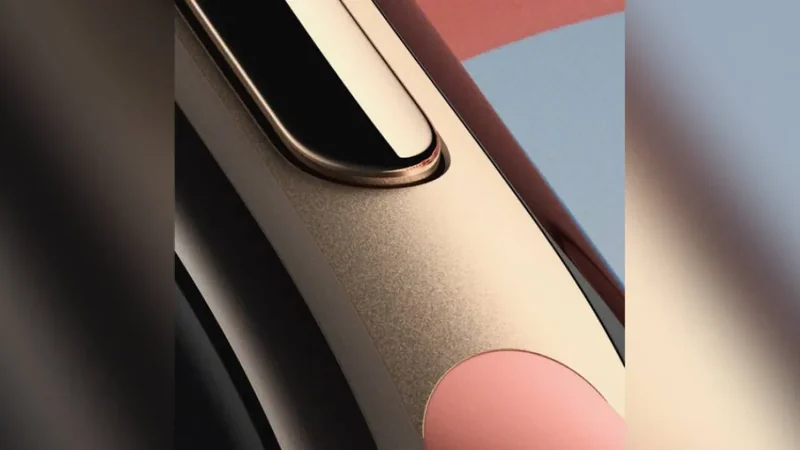
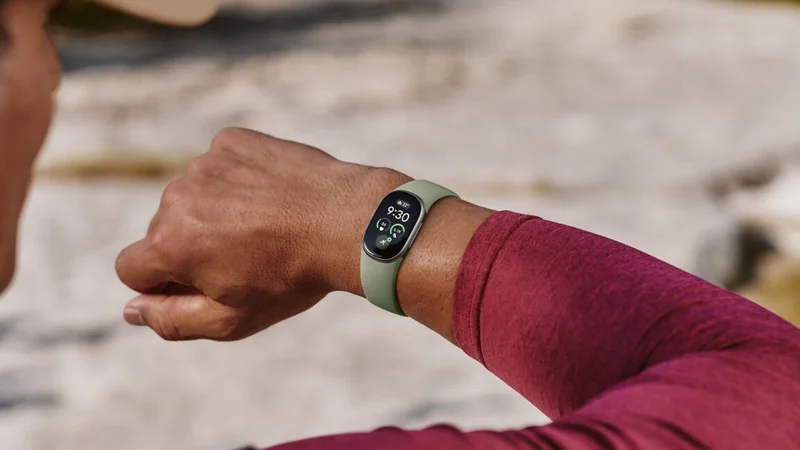
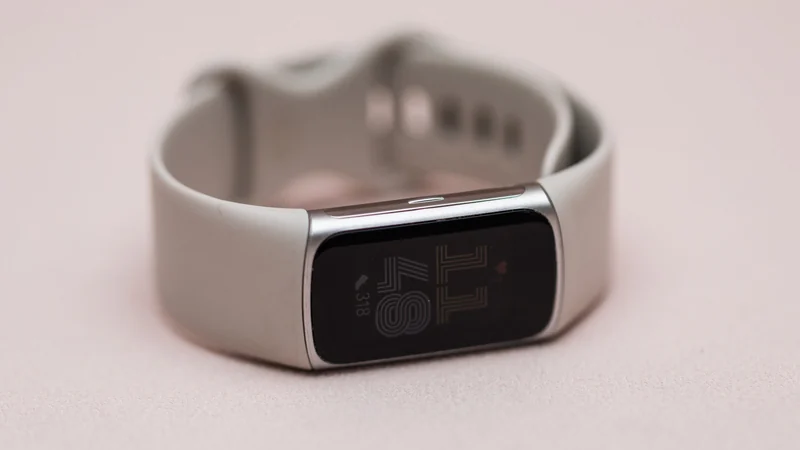
When comparing physical designs, the Fitbit Air is slimmer than competing bands from Whoop, a design choice that directly impacts device longevity and power efficiency. Newer Whoop models, such as the Whoop 5.0 and the Whoop MG, are rated to last 14 days or more on a single charge. In contrast, Google reports that the Fitbit Air lasts up to seven days.
To counter its shorter baseline battery life, Whoop users can utilize a convenient wireless battery pack that slides directly onto the band for on-the-go charging. This allows users to keep the band on their wrists continuously without ever needing to remove it for power replenishment, provided the auxiliary battery pack remains topped up.
App Ecosystems and AI Capabilities
The companion apps for both ecosystems offer extensive data collection regarding daily activities, sleep patterns, and vital signs. Each platform also features an integrated AI assistant designed to log meals, offer personalized guidance, and help build customized wellness and workout plans. However, the Whoop app can feel overwhelming at first glance and is tailored specifically for serious fitness enthusiasts who closely monitor strain and recovery metrics, capturing heart rate data at a higher sampling frequency.
On the other hand, the Fitbit Air utilizes the Google Health app, which provides a more user-friendly interface for the average consumer. For those who opt for Google Health Premium, the AI Coach offers a conversational and engaging experience. While Whoop also provides AI support, Google's version delivers a more natural interaction when logging morning meals or requesting training adjustments for minor injuries.
Furthermore, Whoop excels in automatic activity detection, which benefits users engaging in intense cardio or strength training who prefer not to manually start and stop tracking sessions. Meanwhile, Whoop has also outlined plans to introduce in-app video consultations with licensed clinicians in participating regions.
Subscription Models and Pricing Structures
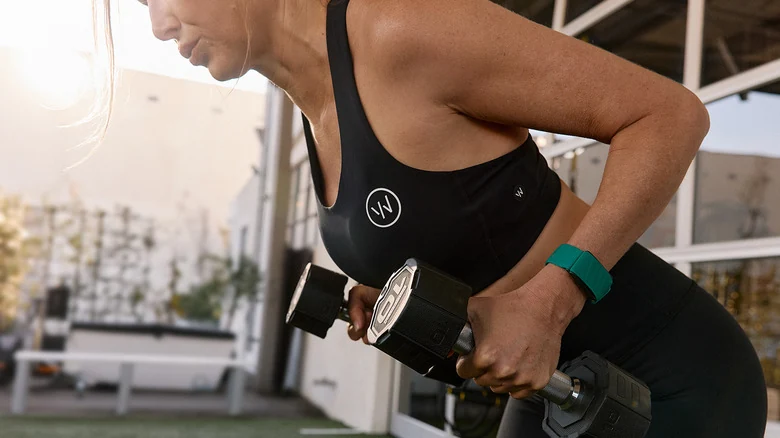
Pricing models represent one of the most critical distinctions between the two wearables. Whoop operates strictly on a membership structure where hardware is included, meaning the device cannot function without an active subscription. According to Whoop, the Whoop One membership is sold for $199 per year in the United States, Mexico, Canada, the European Union, and the United Kingdom on Whoop 5.0 hardware. In regions outside of these markets, Whoop notes that memberships are provided with a certified pre-owned 4.0 sensor and an Onyx Superknit Band, which may be a consideration for users who prefer brand-new hardware.
By contrast, the Fitbit Air requires an initial hardware purchase priced at $100 and comes bundled with a three-month trial of Google Health Premium. After the trial period concludes, users can choose to continue the service for $100 per year or $10 per month, or they can forego the subscription entirely. Higher-tier Whoop subscriptions can climb to $359 annually, positioning Whoop as a premium option geared toward dedicated athletes.
Crucially, the Fitbit Air retains basic functionality without any ongoing subscription fees. Users who skip the paid tier still receive essential health insights, activity tracking, and sleep metrics. Advanced features like AI-driven personal assistance, deep sleep analysis, and specialized training plans remain locked behind Google Health Premium, though the subscription is included as a perk for users who subscribe to Google AI Pro or Ultra plans.

Conclusion
Ultimately, the choice between the Fitbit Air and a Whoop tracker depends heavily on individual fitness goals and budget preferences. The Fitbit Air emerges as the more affordable and approachable device for everyday users and casual fitness buffs who want straightforward health metrics without mandatory ongoing commitments. For serious athletes and individuals engaged in intense training who require granular recovery data and are willing to invest in a higher-end ecosystem, Whoop remains a strong, albeit costlier, alternative.
Sources
- EngadgetFitbit Air vs. Whoop: Which screenless fitness tracker is better for you?
Continue chronologically

Related entity coverage
Related stories
Google Fitbit Edge Review: Balancing Style and Fitness Features
An in-depth look at the Google Fitbit Edge, examining its screen, design, battery life, health tracking, and overall hardware performance.
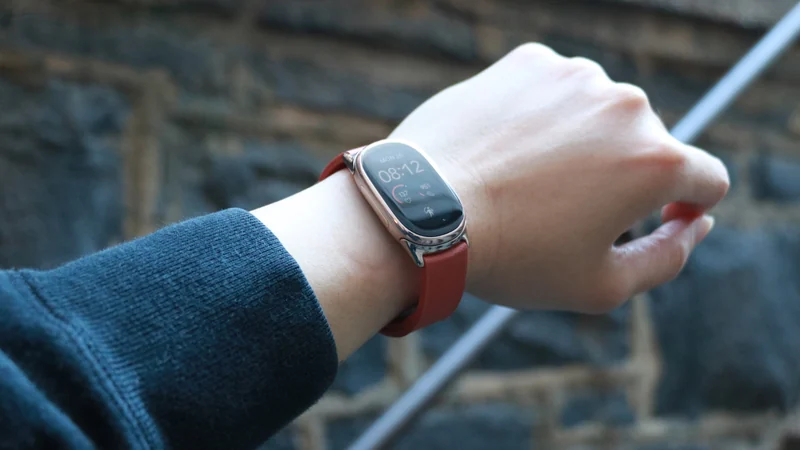
Google Unveils Fitbit Edge to Fill Gap in Wearables Lineup
Google announces the Fitbit Edge, a new mid-range wearable bridging the gap between the Fitbit Air and Pixel Watch 5 with advanced health tracking.
Google Teases New Fitbit Edge Ahead of October 12 Reveal
Google has seemingly confirmed the rumored Fitbit Edge fitness tracker with official social media teasers pointing to an October 12 release.
Google Teases Fitbit Edge Tracker With October 12 Launch Date
Google has officially teased the upcoming Fitbit Edge fitness tracker and confirmed an October 12 release date, following earlier hardware leaks.